

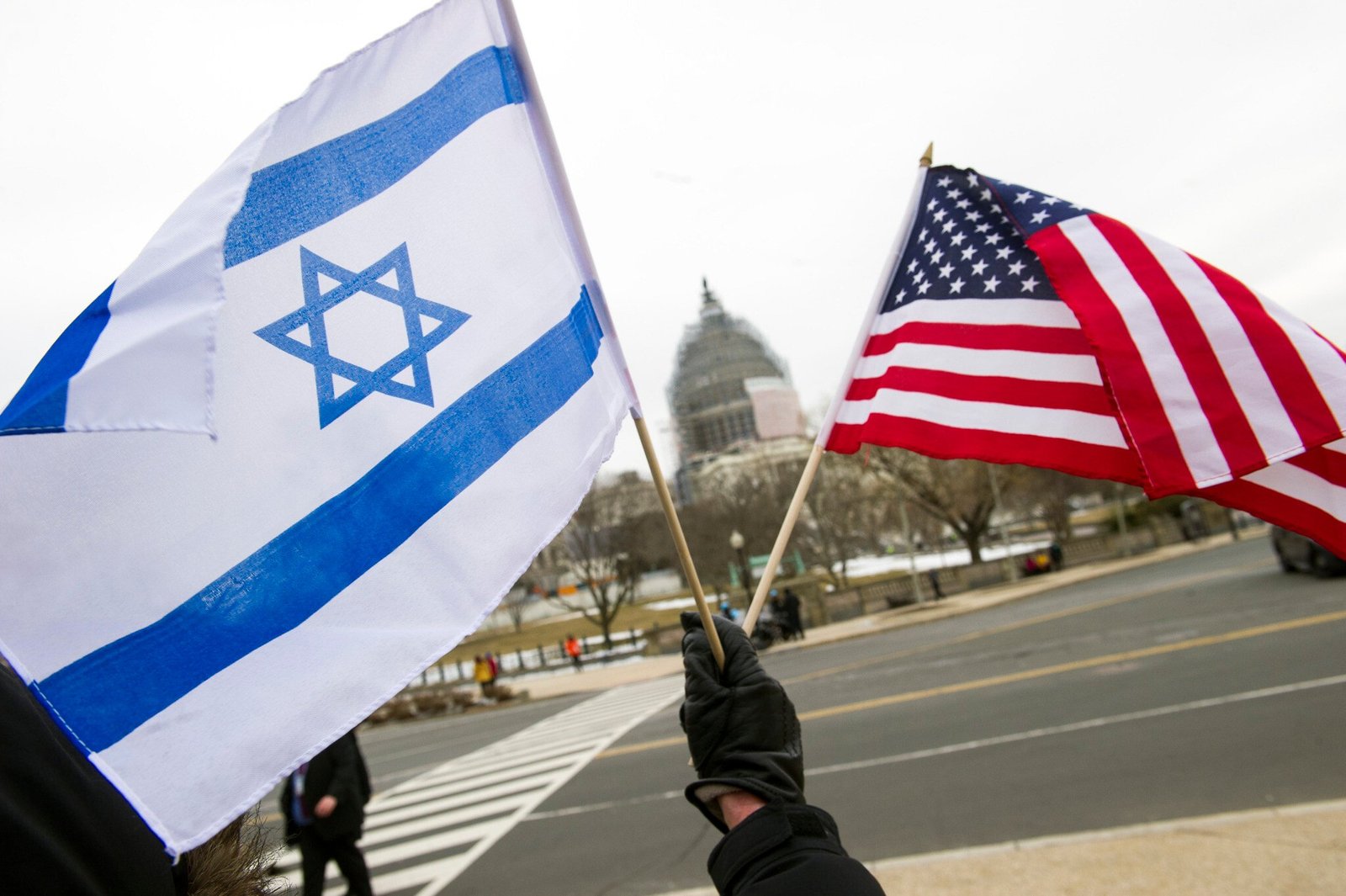

Public support in the United States for Israel’s ongoing military campaign in Gaza has declined sharply over the past year, according to a new Gallup poll released on Tuesday. The survey shows that only 32 percent of Americans now approve of Israel’s conduct in Gaza, representing a significant 10-point drop since September 2024. This decline highlights a growing disconnect between U.S. public sentiment and the longstanding bipartisan support for Israel within the federal government.
The Gallup findings also revealed a stark partisan divide. While 71 percent of Republican respondents expressed approval for Israel’s military actions, only 8 percent of Democrats did the same. A broad 60 percent majority of all respondents now disapprove of Israel’s handling of the war, underscoring increasing discomfort across political lines—especially among younger generations and progressive voters.
Analysts interpret the poll results as indicative of a broader generational and ideological shift in the U.S., where younger Americans are increasingly critical of Israeli policies and Washington’s unwavering support. Professor Shibley Telhami, director of the Critical Issues Poll at the University of Maryland, described the trend as part of a deepening generational divide. “Young Americans—mostly Democrats and independents, but even some Republicans—now perceive the horror in Gaza as emblematic of the character of Israel itself,” he said.
This sentiment echoes findings from a Pew Research Center poll conducted in April, which found that a majority of respondents, including 50 percent of Republicans under age 50, held unfavorable views of Israel. Despite such public disillusionment, U.S. foreign policy toward Israel has remained resolutely unchanged. Since the start of the Gaza war, Washington has continued to deliver diplomatic cover and military aid to Israel, totaling billions of dollars, while repeatedly shielding it from international scrutiny at the United Nations.
Both former President Joe Biden and President Donald Trump have publicly defended Israel’s actions, even as international human rights groups accuse Israel of war crimes and, increasingly, genocide. Over 60,000 Palestinians are reported to have been killed in Gaza since the conflict began, with much of the enclave reduced to rubble. Israel’s siege has triggered a worsening humanitarian crisis, with the United Nations warning of widespread starvation and the risk of famine.
Despite the growing public outcry, Congress remains firmly aligned with Israel. A recent motion to block $500 million in missile defense assistance to Israel was overwhelmingly defeated in the House of Representatives, with only six lawmakers supporting the proposal. This has fueled criticism over the apparent disconnect between elected officials and the voters they represent.
Professor Telhami suggests that foreign policy rarely determines American election outcomes, with domestic concerns like the economy, healthcare, and gun violence taking precedence. However, he also notes a subtle shift underway. “Palestine is increasingly becoming a matter of moral reckoning for many Americans,” he said. “It’s not just about Gaza anymore. It’s about our complicity—through aid, support, or even silence—in what is happening there.”
He believes that this shift is tied to a deeper societal transformation, where Americans are re-evaluating their global identity and the moral values underpinning their foreign policy. “This is about a paradigmatic shift in how Americans define who they are,” he added.
The recent victory of Zohran Mamdani, a Democratic primary candidate and vocal supporter of Palestinian rights in New York City, is seen by some as an early sign of this political change, particularly among progressives. While the issue has yet to dominate the national political discourse, analysts suggest that growing public discontent—especially among younger and more progressive voters—could eventually influence U.S. foreign policy, particularly in an election year where every vote counts.
