
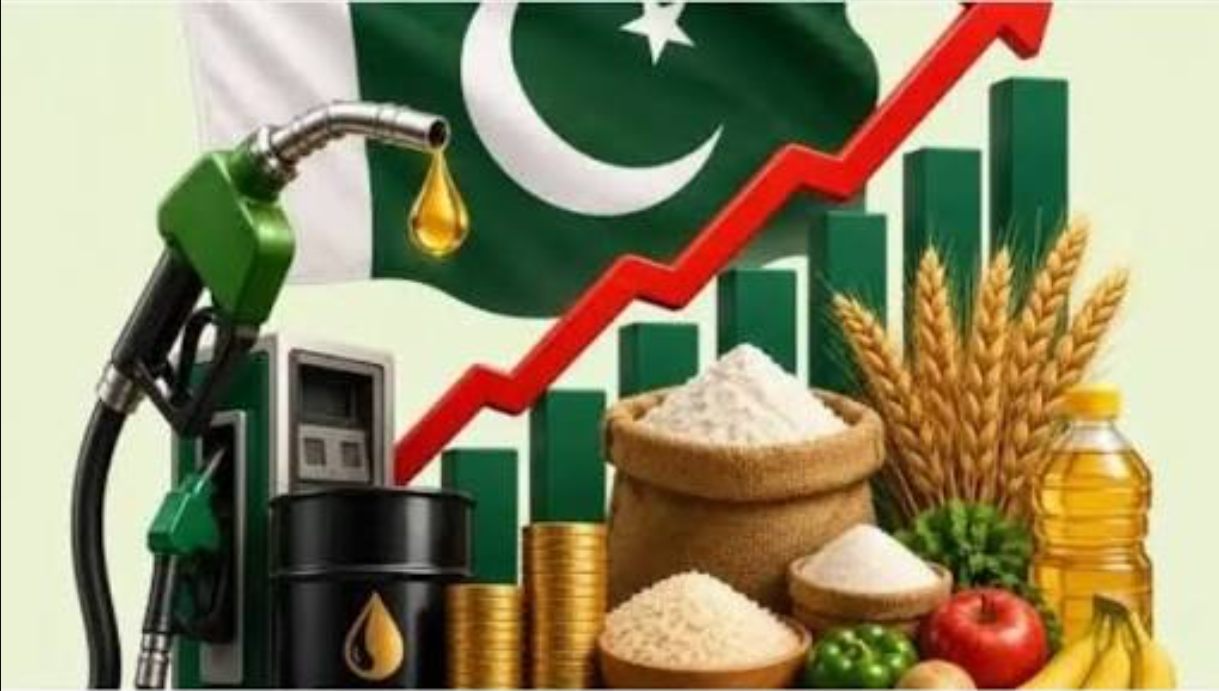

Pakistan’s inflation rate climbed to 11.2% in August, returning to double digits after only one month as fuel, wheat and transportation costs pushed prices higher.
The Pakistan Bureau of Statistics (PBS) reported that Consumer Price Index (CPI) inflation accelerated from 9.2% in July to 11.2% in August. Prices increased across both urban and rural areas, with food and energy costs emerging as major drivers.
Fuel Taxes Add To Price Pressures
Motor fuel prices were 25% higher than a year earlier, reflecting the government’s policy of fully passing international fuel costs and taxes on to consumers. Petrol carried taxes of Rs116 per litre, while high-speed diesel faced Rs101 through petroleum, carbon and customs duties.
Consequently, diesel prices in dollar terms became the highest in South Asia, while petrol ranked second after Bangladesh, according to research by Tola Associates. The August inflation figure also exceeded the Finance Ministry’s forecast of 10% to 11%.
The ministry said inflation could remain elevated as international energy and commodity price movements continue to affect domestic prices. However, it maintained that exchange-rate stability and fiscal discipline have supported broader economic stability.
Wheat Shortages Drive Food Inflation
Food inflation also increased sharply, reaching 12.1% in urban areas and 13.2% in rural areas. Higher wheat and flour prices, along with rising transportation charges, contributed significantly to the increase.
The government has set an inflation target of 8.2% for the current fiscal year. However, average inflation during the first two months stood at 10.2%, raising concerns about additional interest-rate pressures.
Meanwhile, the government continues to follow fiscal targets agreed with the International Monetary Fund (IMF). Although these measures have supported fiscal stability, higher taxes and administered prices are adding to household costs.

