
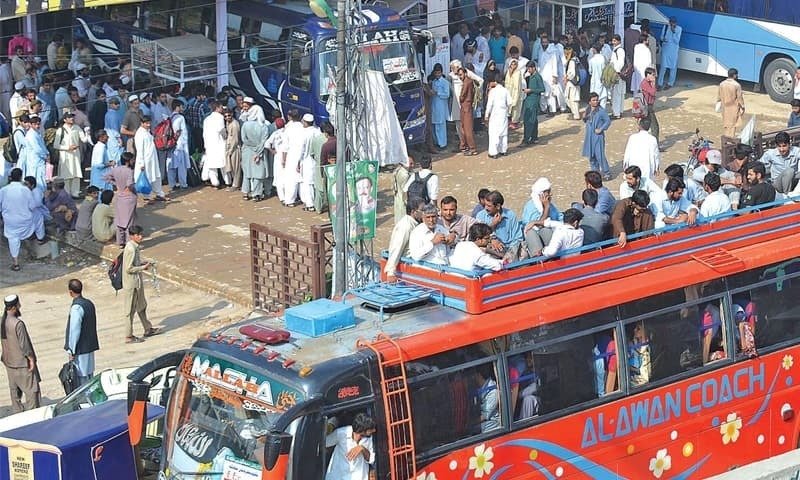

Residents and businesses in Rawalpindi are set to benefit from reduced transport costs. Authorities have announced a significant cut in public and goods transport fares following a sharp drop in fuel prices. The move aims to provide immediate relief to commuters and support economic activity.
The decision follows a major reduction in fuel prices by the federal government. Petrol prices dropped by 3.13 percent, while diesel saw a steep decline of 25.91 percent. These cuts created room for authorities to revise fare structures across the transport sector.
Revised Fare Structure Implemented
The new fare system has been enforced under the supervision of the Regional Transport Authority (RTA). Secretary Syed Asad Shirazi confirmed that the changes took effect from Saturday.
The revision was carried out on the instructions of Hassan Waqar Cheema. Officials ensured that all stakeholders were consulted before finalizing the decision.
Meetings were held with transport unions, including the Passengers Transport Union and the Goods Transport Association. These discussions helped secure agreement and smooth implementation across the sector.
Under the new structure, fares for diesel-powered passenger vehicles have been reduced by 15 percent. This includes both air-conditioned and non-air-conditioned transport. Petrol-powered public service vehicles will see a 5 percent reduction in fares.
Goods transport has received the biggest relief. Rates have been reduced by 26 percent. This is expected to directly impact supply chain costs.
Impact on Markets and Daily Life
The reduction in goods transport fares is likely to influence market prices. Traders believe the cost of essential items may decrease in the coming days. Lower transport expenses can reduce the overall cost of goods delivery.
However, the impact may not be immediate. Market adjustments often take time. Retailers may delay passing on the benefits to consumers.
Residents have expressed mixed reactions. Many welcomed the fare cuts but pointed out a recurring issue. They noted that transport fares increase quickly when fuel prices rise. However, reductions are often delayed when fuel costs fall.
This concern highlights the need for strict monitoring. Authorities may need to ensure that relief measures are fully implemented. Transparent enforcement can help restore public trust.
A Step Toward Economic Relief
The fare reduction is seen as a positive step for both commuters and businesses. Lower travel costs can ease the financial burden on daily wage earners. It can also support small businesses that rely on goods transportation.
The decision reflects an effort to pass on fuel price benefits to the public. It also shows coordination between government officials and transport stakeholders.
If implemented effectively, the move could bring noticeable relief in the coming weeks. It may also set a precedent for timely fare adjustments in the future.

