

First, Observe Before You Intervene
Finding a baby bird on the ground can feel worrying, especially when no parent bird is visible nearby. However, wildlife experts say this situation is not always an emergency.
Parent birds are often close by. They may be searching for food or watching from a safe distance. Human activity can also keep them away temporarily.
Experts advise people to stop, stay calm and observe the bird from a distance before taking action.
The first step is to check whether the bird is injured, in danger or simply learning to fly. A bird near a road, pets, people or predators may need help. A bird that is bleeding, weak or unable to stand should also be treated as a concern.
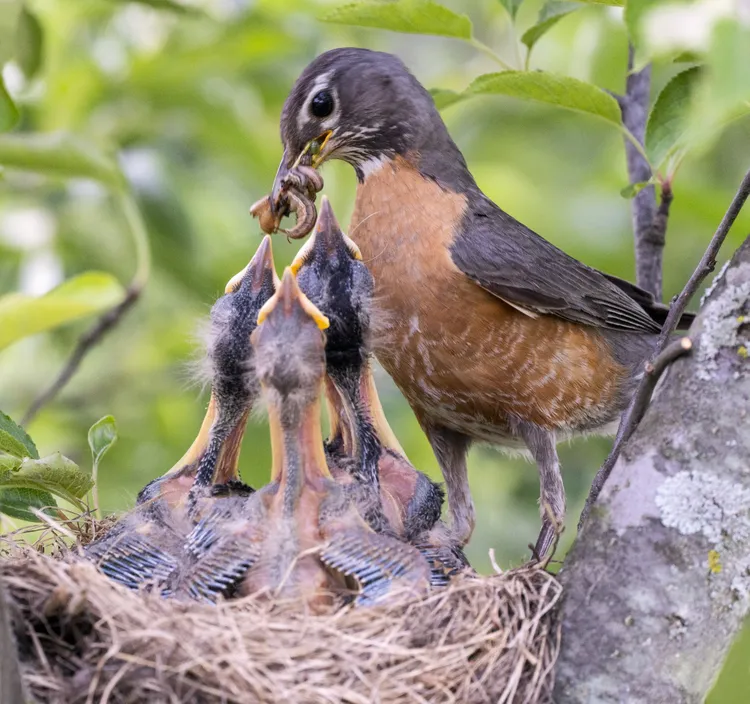
The age of the bird matters most. Nestlings are very young birds. They may have little or no feathers, bald patches or soft down. These birds cannot fly, hop or regulate body temperature properly. They usually need to be placed back in the nest.
Fledglings are older baby birds. They are mostly feathered and may hop, flutter or perch on low branches. These birds are usually supposed to be outside the nest while learning to fly.
Return Nestlings, but Leave Healthy Fledglings Alone
Wildlife experts say nestlings should be returned to their nest whenever possible. A common myth says parent birds reject babies touched by humans, but experts say this is not true. Most birds have a weak sense of smell and will continue caring for their young.
If the original nest cannot be found, a small basket or container with drainage holes can be used as a temporary nest. It should be secured close to where the bird was found. The bird can then be placed inside while people watch from a distance.
If the parents do not return, or if the bird appears weak or injured, a licensed wildlife rehabilitator should be contacted.
Healthy fledglings should usually be left alone. They may look helpless, but they are often still being fed by their parents. People should watch from a distance for one to two hours before assuming the bird is abandoned.
Pets and children should be kept away. Cats and dogs can seriously harm young birds. Even a leashed dog can frighten parent birds away from their nest.
Call a Wildlife Rehabilitator for Injured Birds
A wildlife rehabilitator should be contacted if the bird has visible wounds, bleeding, a drooping wing, swollen eyes, trouble breathing or difficulty standing.
Help is also needed if the bird was attacked by a cat or dog, appears cold, weak or unresponsive, or is near traffic or another unsafe area.
People should be ready to describe the bird’s condition, where it was found and whether it has feathers. Photos can also help experts identify the species and give correct advice.
Experts warn against giving baby birds food or water. Birds can choke or become worse if they are fed incorrectly. A stressed or injured bird may also be unable to digest food.
People should also avoid taking young birds home to raise them. Birds raised by humans may become dependent and unable to survive in the wild.
In most cases, the best help is careful observation, protection from danger and quick contact with a trained wildlife professional when needed.

