
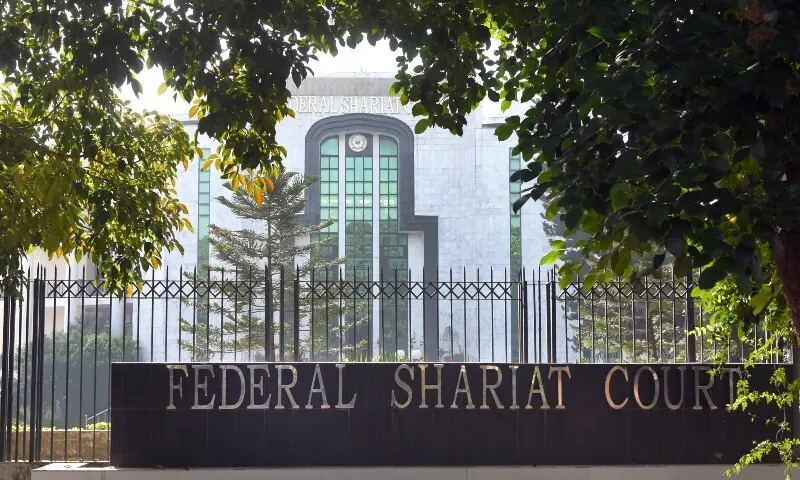

FCC and Supreme Court Face Growing Constitutional Power Struggle
The newly formed Federal Constitutional Court has introduced a major salary and benefits structure for its employees. The move comes during an ongoing constitutional dispute with the Supreme Court of Pakistan over legal authority and jurisdiction.
The debate intensified after the 27th Constitutional Amendment changed the country’s judicial framework. In several rulings, the Federal Constitutional Court claimed that it now holds exclusive authority to interpret constitutional matters. However, the Supreme Court recently rejected that position.
Chief Justice Yahya Afridi issued a judgement stating that the Supreme Court is not subordinate to the FCC. Instead, the ruling described both courts as equal constitutional institutions with separate powers and responsibilities. As a result, the judgement directly challenged earlier FCC decisions that declared its rulings binding on all other courts.
FCC Employees Receive Higher Salaries and Expanded Benefits
At the same time, the Federal Constitutional Court has approved one of the most generous compensation packages in the public sector. Official notifications revealed that FCC employees now receive significantly higher salaries and allowances than staff working at the Supreme Court and high courts.
According to recent documents, the FCC fixed judicial and utility allowances at 50 percent each of the employee’s running basic salary. Consequently, these benefits greatly increased the total monthly income of court staff.
Earlier office orders also approved a special judicial allowance equal to three times the basic pay. The new structure applies to employees from BPS-2 to BPS-22. Furthermore, the court introduced these benefits between November 2025 and January 2026.
The FCC also expanded its administrative setup by creating dozens of new positions. These posts include registrar, additional registrars, and senior administrative officers. Many of these positions carry special salary scales much higher than ordinary government service packages.
Salary Gap Raises Questions Over Public Spending
The widening salary difference between FCC and Supreme Court employees has triggered serious debate. A senior court official revealed that the gap in monthly compensation now ranges between Rs250,000 and Rs300,000 in some cases.
In addition, FCC officers from BPS-17 to BPS-22 now receive transport monetisation payments ranging from Rs60,000 to Rs250,000 per month. These payments replace official transport facilities. By comparison, transport allowances at the Supreme Court remain significantly lower.
The financial benefits will come from the FCC budget allocated for the 2025–26 fiscal year. However, officials have not released complete details about the long-term financial impact of the new compensation structure.
Legal experts and public policy analysts continue discussing whether such large increases are sustainable. Meanwhile, the constitutional disagreement between the FCC and Supreme Court continues to shape Pakistan’s legal and political landscape.

