

Pakistan faces a growing challenge in making healthy and nutritious food accessible to its population. The Food and Agriculture Organisation (FAO) has called for major changes to the country’s agrifood system.
The FAO’s latest assessment on food supply for healthy diets highlights a serious mismatch. Food supplies do not always match what people need for a healthy diet.
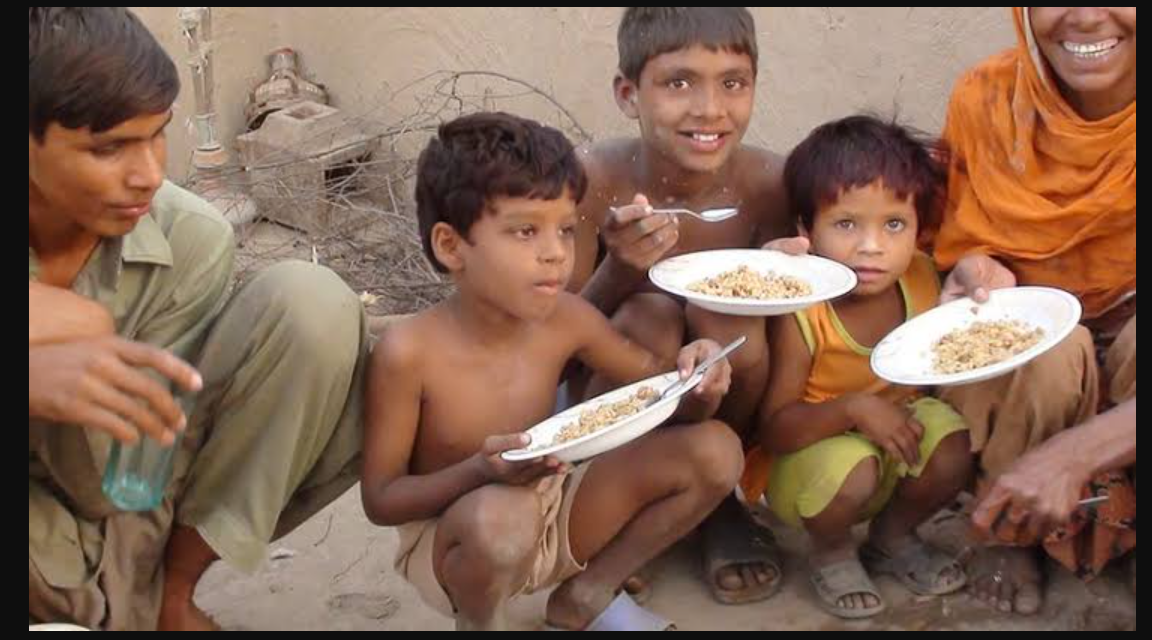
More than 60 per cent of Pakistanis cannot afford a healthy diet, according to the assessment. Consequently, the affordability gap is contributing to persistent malnutrition across the country.
Pakistan’s Food Supply Falls Short of Healthy Diet Needs
The assessment found significant gaps across several nutritious food groups. These include vegetables, roots and tubers, fruits, legumes and pulses.
At the same time, Pakistan has more staple foods and sugar than required for a healthy diet. Therefore, the existing food supply does not fully match national dietary guidelines.
“Enabling access to healthy diets for all is essential to achieving Pakistan’s national development priorities. Yet over 60 per cent of Pakistanis cannot afford a healthy diet, contributing to the high rates of malnutrition across the country. At the same time, diet-related non-communicable diseases (NCD) are rising, while various forms of undernutrition persist. Unhealthy diets are a common cause of all forms of malnutrition and contribute directly to morbidity and mortality from NCD,” the assessment shows.
The findings highlight the connection between food availability, affordability and public health. Meanwhile, diet-related non-communicable diseases continue to rise alongside different forms of undernutrition.
FAO Calls for Changes to Food Policies
The FAO has proposed several measures to improve access to healthier diets in Pakistan. These measures focus on consumers, food producers, retailers and vulnerable communities.
The organisation recommended updating Pakistan’s food-based dietary guidelines. The revised guidelines should address nutrition, health and environmental priorities.
It also called for stronger nutrition education and measures that encourage healthier food choices. In addition, the FAO recommended evidence-based fiscal measures.
These measures could include taxes on sugar-sweetened beverages and foods high in sugar, salt and unhealthy fats. The FAO also recommended front-of-pack nutrition labels for packaged foods.
Furthermore, it called for restrictions on unhealthy food marketing, especially advertising aimed at children. Expanding nutritious school meal programmes was also identified as a priority.
The assessment also stressed stronger social protection programmes. These programmes could help vulnerable populations gain better access to nutritious foods.
Agriculture Needs a Stronger Nutrition Focus
The FAO also urged Pakistan to reshape its agrifood system around healthier diets. Agricultural policies and investment priorities should support the production of nutritious food.
The assessment recommended greater support for vegetables, fruits, pulses, roots and tubers across the country. It also suggested supporting milk production in certain regions.
Food processors should receive stronger incentives to meet food safety and quality standards. They should also reformulate products to reduce salt, sugar and unhealthy fats.
Better Markets Could Improve Access
The FAO further called for healthier retail food environments across Pakistan. Investment in storage, cold chains and market infrastructure could help reduce food losses.
These improvements could also make nutritious foods more accessible to consumers. However, regular monitoring would remain important to measure progress.
“Enabling equitable access to diverse, nutritious, safe, and affordable foods that support healthy diets is a policy imperative for Pakistan,” the assessment said.
The findings underline a wider challenge for Pakistan’s food system. Increasing food availability alone may not ensure healthy diets unless supply, affordability and dietary needs improve together.
For the latest updates, visit and follow The Truth International website (www.thetruthinternational.com) and subscribe to the YouTube Channel.

