
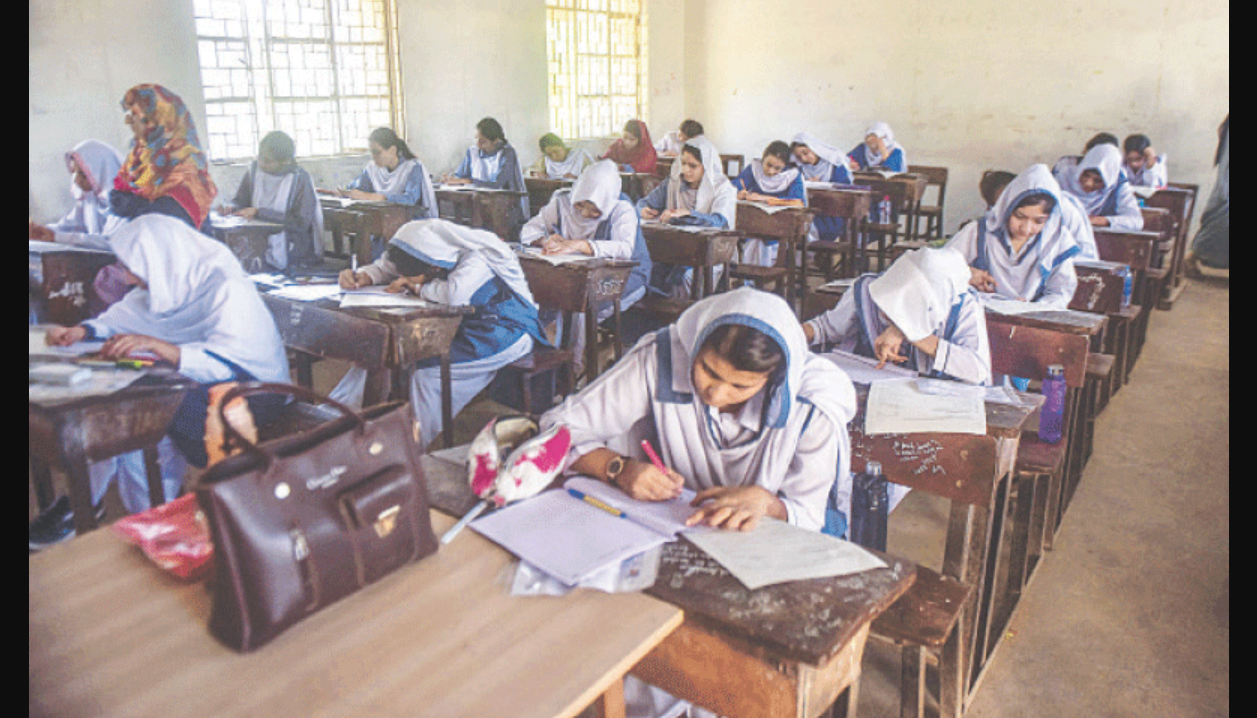

Matriculation examinations in Karachi have come under intense scrutiny due to multiple reported issues. Students are facing disruptions that raise serious concerns about fairness.
Allegations include paper leaks, bribery, and poor administration. As a result, many students feel the examination process has become unreliable.
Moreover, these problems have created stress among candidates. They now question whether merit still matters in the current system.
Sudden Changes in Examination Centres
One major concern involves unexpected changes in examination centres. Some students were shifted to new locations after already appearing in earlier papers.
This decision caused confusion and anxiety. Many students struggled to adjust to unfamiliar environments during crucial exams.
Furthermore, such changes disrupted preparation routines. They also increased logistical challenges for both students and families.
Paper Leaks Raise Questions on Integrity
Reports suggest that a Computer Science paper circulated on social media before the exam began. In some cases, answers were also shared in advance.
Consequently, the credibility of the entire examination system has been questioned. Early access to questions gives unfair advantage to certain students.
Additionally, this situation undermines the efforts of hardworking candidates. It creates an uneven playing field where merit takes a back seat.
Allegations of Organised Cheating
Concerns have also emerged about organised cheating practices. Reports indicate that some students paid money to secure favourable conditions.
These arrangements allegedly allowed them to use mobile phones freely during exams. As a result, monitoring systems appear weak and ineffective.
Moreover, such practices highlight deeper systemic flaws. They suggest that rules exist but are not properly enforced.
Security and Monitoring Concerns
Security lapses have further worsened the situation. Reports indicate that prohibited items entered examination centres without proper checks.
This raises serious questions about supervision. Effective monitoring remains essential to ensure a fair testing environment.
At the same time, weak enforcement of rules encourages misconduct. Therefore, stricter oversight is urgently needed.
Poor Conditions Add to Student Stress
Students are also dealing with difficult physical conditions. Many centres reportedly lack basic facilities such as working fans and proper seating.
Extreme heat and power outages have made the situation worse. Consequently, students struggle to focus during exams.
In addition, some centres are located far from students’ homes. This creates further inconvenience and fatigue.
Concerns Over Rule Violations
Reports also suggest that some institutions acted as “home centres.” This practice may violate established examination policies.
Such arrangements raise concerns about fairness and transparency. They also increase the risk of biased supervision.
Therefore, consistent rule enforcement remains essential. Without it, the system loses credibility.
Government Orders Inquiry
In response, Ismail Rahu, Sindh’s Minister for Universities and Boards, has taken notice of the situation. He has ordered an inquiry into the reported issues.
Authorities have been asked to submit a report within 15 days. Moreover, officials have promised action against those found responsible.
Will Real Change Follow?
Despite the inquiry, many remain sceptical. Similar issues have surfaced in previous years without lasting solutions.
Students and parents continue to demand accountability. They want a system that rewards hard work and ensures fairness.
In conclusion, the current situation highlights serious gaps in examination management. Unless reforms are implemented effectively, the credibility of the system will remain at risk.

