
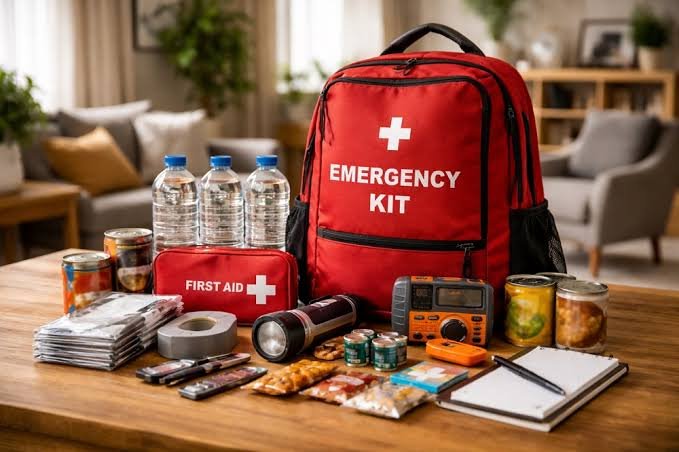

The European Commission has introduced new guidelines urging citizens to prepare emergency supplies for the first 72 hours. The initiative aims to help households manage essential needs when disasters or other major crises occur.
Commissioner for Equality, Preparedness and Crisis Management Hadja Lahbib presented the guidelines on November 3. She introduced the recommendations during the European Civil Protection Forum.
The guidance encourages households to maintain enough essential supplies for three days. This preparation will help people remain self-sufficient while emergency services organise assistance.
The recommendations also focus on improving public awareness and strengthening community resilience. Authorities want citizens to understand potential risks and respond effectively during emergencies.
Four Priorities Shape Europe’s Emergency Preparedness Plan
The guidelines cover four major areas, including household preparedness, education and disability-inclusive planning. They also emphasise clear communication about risks and potential threats.
The Commission encourages families to prepare emergency bags containing essential supplies. These preparations should help households meet basic needs during the initial crisis period.
Furthermore, the guidelines recommend introducing emergency preparedness education into early childhood and primary schools. Teachers will receive support to develop practical, age-appropriate activities without creating unnecessary fear.
The Commission also wants authorities to consider people with disabilities during emergency planning. This includes making evacuation procedures and public warnings accessible to everyone.
Europe Plans Annual Preparedness Day
Another priority involves providing citizens with timely and reliable information. Authorities should communicate clearly before, during and after emergencies.
Meanwhile, the Commission has proposed an annual European Preparedness Day. The first edition could take place on October 23, 2027.
The proposed date marks the anniversary of the European Civil Protection Mechanism’s establishment in 2001. The mechanism has supported cooperation during disasters across Europe and beyond.
The new guidelines form part of the European Union’s broader preparedness strategy. They aim to strengthen cooperation between governments, communities and individuals.
The recommendations remain non-binding and may undergo further review. Authorities will consider feedback and practical lessons during their implementation.
For the latest updates, visit and follow The Truth International website (www.thetruthinternational.com) and subscribe to the YouTube Channel.

