
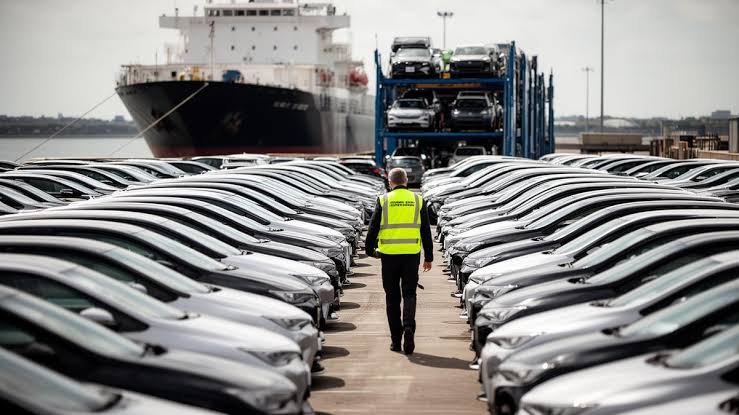

The European Union (EU) has officially announced import restrictions on Chinese hybrid vehicles to protect its domestic automobile industry. The new measures will take effect on December 1, 2026, following a trade agreement between Brussels and Beijing.
Under the agreement, the EU will limit annual imports of Chinese hybrid vehicles to 350,000 units. Earlier projections suggested that imports could reach 800,000 vehicles in 2026.
The restrictions cover plug-in hybrid vehicles and other hybrid models. Although the measures primarily target Chinese automakers, they will also apply to imports from other countries under international trade regulations.
The European Commission said the restrictions aim to protect European manufacturers from rapidly increasing foreign vehicle imports. Growing global production capacity and trade barriers in other major markets have contributed to the surge.
Chinese automakers have gained significant market share in Europe by offering affordable hybrid vehicles with advanced technology. Their competitive pricing has increased pressure on European automobile manufacturers.
European authorities have repeatedly accused China of unfair trade practices, including excessive government subsidies and artificially low export prices. Officials argue that such practices threaten domestic manufacturing and employment opportunities.
The EU has set import quotas for major vehicle exporters at slightly more than 15 percent above their 2025 import levels.
The temporary restrictions will remain effective for 200 days while European authorities investigate the impact of rising hybrid vehicle imports on domestic manufacturers.
Meanwhile, the decision could affect the expansion strategies of Chinese automobile companies across Europe. It could also influence vehicle availability, market competition and consumer prices.
The latest restrictions mark another significant development in global automotive trade as competition between Chinese and European manufacturers intensifies.

