
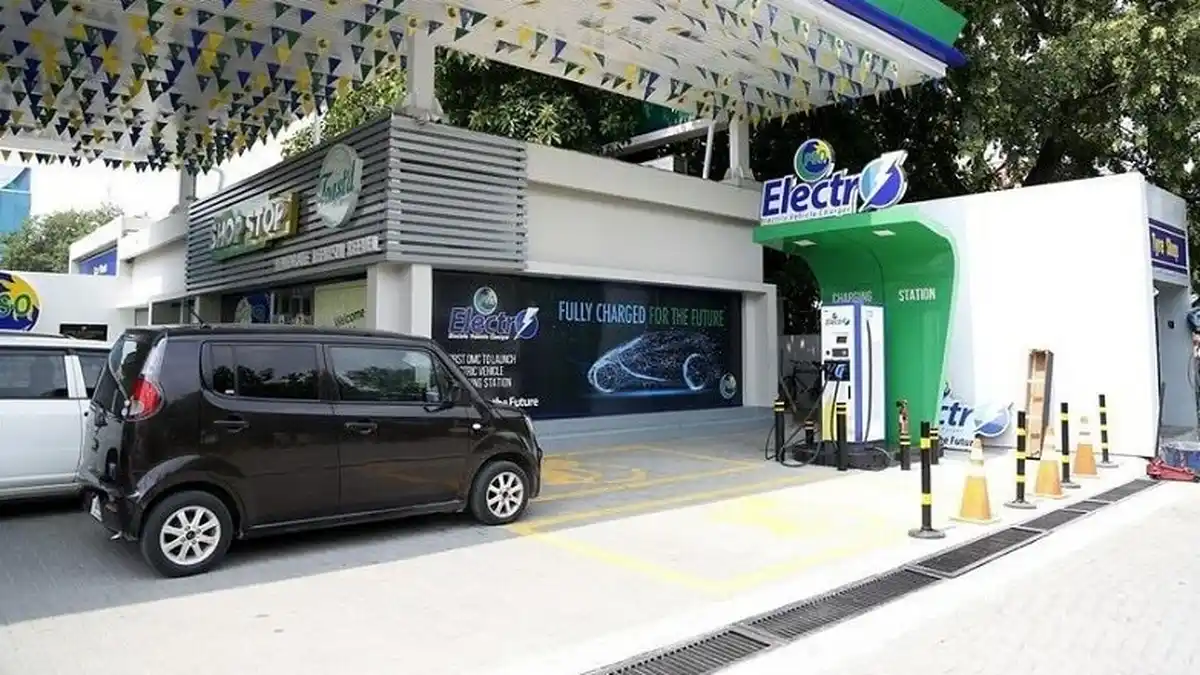

Pakistan’s federal government has rejected the International Monetary Fund’s (IMF) proposal to impose an 18% sales tax on electric vehicles (EVs) under the new Auto Policy 2026–31.
The draft policy, approved by Prime Minister Shehbaz Sharif on Tuesday, aims to encourage electric mobility while supporting local manufacturing, investment and competition in the automotive sector.
Government Plans Gradual Cuts in Import Duties
Under the proposed policy, customs duties on eligible imported electric cars priced up to $75,000 will fall in phases.
Initially, the duty will decrease from 50% to 25%. The government plans to reduce it further to 15% by fiscal year 2030–31.
These changes aim to make eligible imported electric vehicles more affordable and encourage wider adoption.
Different Tax Rates for Electric and Hybrid Vehicles
The proposed framework maintains a lower sales tax for battery electric vehicles rather than adopting the IMF’s suggested 18% rate.
Meanwhile, the draft proposes a 6% sales tax on range-extended electric vehicles and a 9% rate on plug-in hybrid vehicles and other specified alternative-energy vehicles.
The differentiated rates reflect the government’s approach to supporting electric mobility while adjusting the tax treatment of different vehicle technologies.
New Auto Policy Targets Industry Growth
The Auto Policy 2026–31 also aims to strengthen domestic vehicle production and increase exports. It includes measures to improve competition, promote technological development and encourage local manufacturers to expand their presence in international markets.
The government expects the policy to support investment in the automotive industry while improving access to newer vehicle technologies.
However, the proposed measures will depend on the final policy framework and implementation arrangements.
IMF Tax Dispute Remains a Key Issue
The disagreement over EV taxation has been a major point of discussion between Pakistan and the IMF during negotiations on the new auto policy.
The government’s decision to reject the proposed 18% rate preserves a lower-tax approach for electric mobility. Further implementation details will determine how the policy affects import costs and consumer prices.
For the latest updates, visit and follow The Truth International website (www.thetruthinternational.com) and subscribe to the YouTube Channel.

