
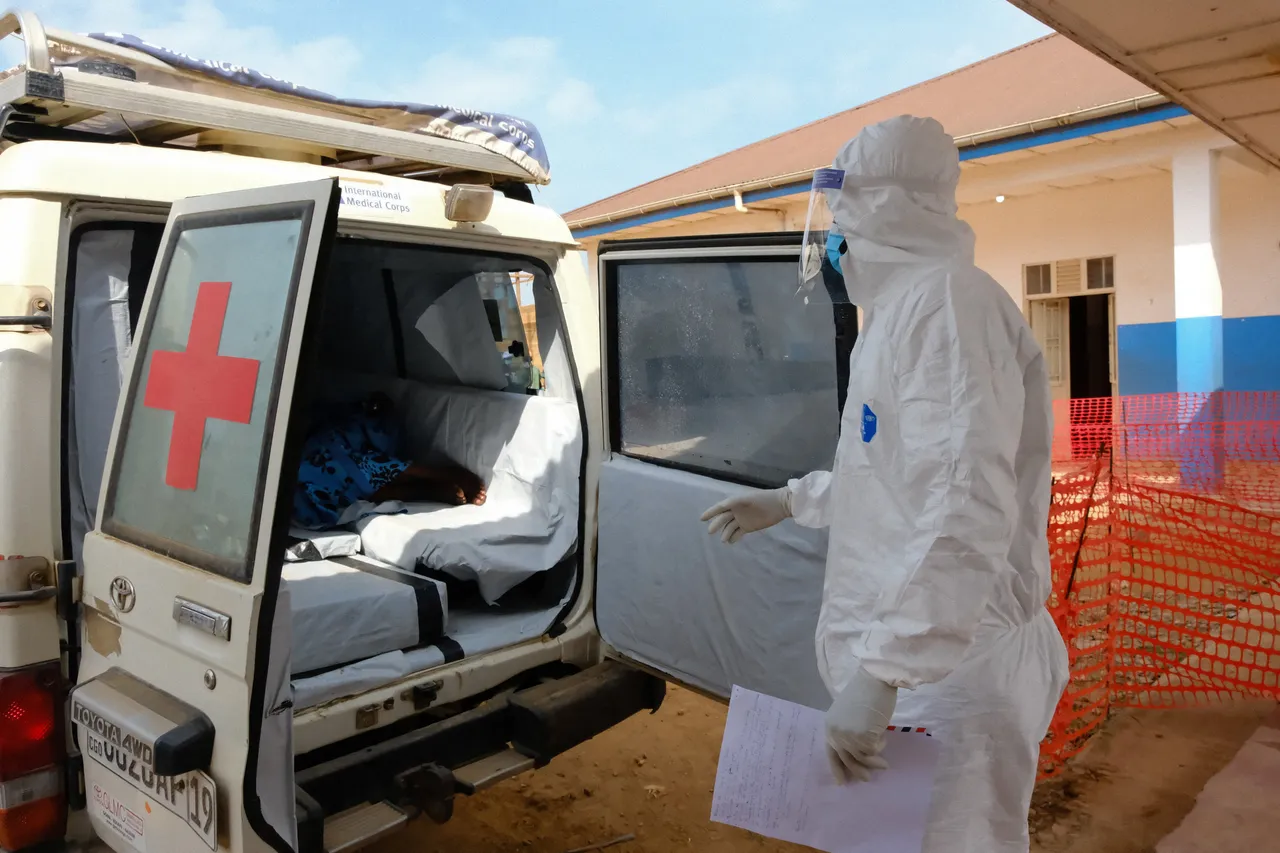

Conflict and Health Emergency Strain Medical Services
KINSHASA: The Ebola outbreak in eastern Democratic Republic of the Congo (DRC) is intensifying an already severe humanitarian crisis, as armed conflict and violence continue to place immense pressure on healthcare services across the region.
The International Committee of the Red Cross (ICRC) warned on Tuesday that the epidemic is increasing the vulnerability of communities already affected by ongoing insecurity in North and South Kivu provinces.
According to the ICRC, five hospitals supported by the organization treated 303 casualties between May 15 and June 15, marking a 30 percent increase compared to the 233 casualties recorded during the previous month.
Meanwhile, the DRC Health Ministry reported more than 800 confirmed Ebola infections and 196 related deaths since authorities officially declared the outbreak on May 15. The outbreak involves the Bundibugyo strain of the Ebola virus.
Hospitals Face Growing Pressure Amid Rising Violence
Health officials and humanitarian organizations expressed concern that the Ebola emergency may divert attention from the continuing needs of civilians affected by armed conflict.
ICRC Medical Coordinator Moussa Badji said hospitals continue to receive a steady flow of patients suffering from conflict-related injuries despite the growing health crisis. Surgical teams remain under constant pressure as violence persists across several affected areas.
In South Kivu alone, hospitals in Bukavu, Uvira and Fizi admitted 170 casualties linked to ongoing hostilities, highlighting the deteriorating security situation.
Aid Groups Call for Greater Cooperation
ICRC officials stressed that the combination of armed conflict and a rapidly spreading epidemic presents a serious challenge for humanitarian operations.
The organization urged all parties involved in the conflict to facilitate humanitarian access, support medical services and allow the swift delivery of emergency assistance to affected communities.
Meanwhile, the Ebola virus continues to spread across Ituri, North Kivu and South Kivu provinces, with Ituri accounting for nearly 95 percent of reported cases.
Medical charity Doctors Without Borders also warned that significant gaps in surveillance, diagnosis, contact tracing and community engagement continue to hinder efforts to contain the outbreak and prevent further transmission.

