
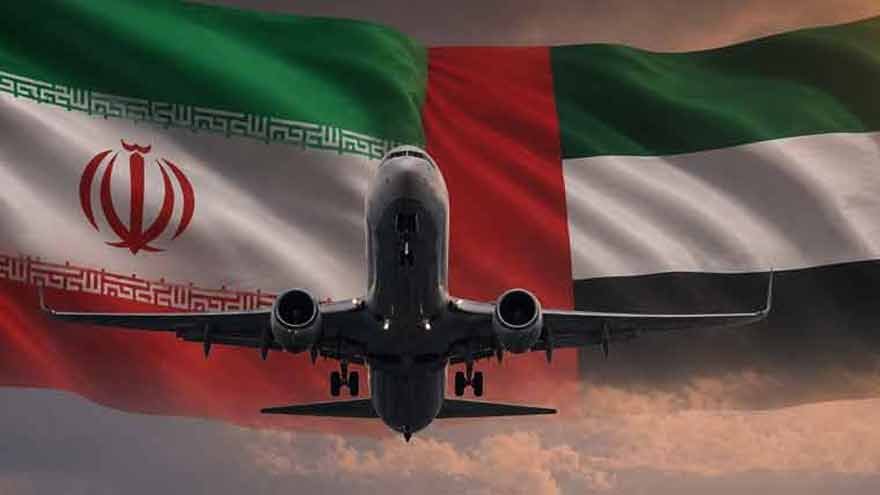

Iranian Goods Continue Reaching Dubai Markets Despite Tensions
Despite rising regional tensions and the ongoing conflict, economic ties between Iran and Dubai continue to show resilience.
In Dubai’s historic markets, Iranian saffron, cumin, pistachios and almonds remain available, reflecting decades of commercial connections between the two sides of the Gulf.
The United Arab Emirates recently announced restrictions on trade and financial exchanges with Tehran after Iran’s retaliatory actions against US allies and increased tensions around the Strait of Hormuz.
However, Iranian traders in Dubai believe long-established business networks will not disappear easily.
Merchants Find Alternative Routes for Iranian Products
Business owners say some Iranian products have become harder to obtain, while prices of certain goods have increased.
Morteza Asaadi, who manages a family grocery business established in 1963, said many traditional Iranian food items are still reaching Dubai markets despite challenges.
Several wholesalers told international media that they continue sourcing products from Iran through alternative routes, including Oman’s ports.
Iranian saffron traders have also managed to maintain supplies, with shipments from Mashhad continuing through air connections after a temporary disruption.
Dubai’s Iranian Business Community Faces New Challenges
Dubai hosts a large Iranian community that has played an important role in the emirate’s commercial growth for decades.
According to analysts, the UAE has historically served as a major trade gateway for Iran despite international sanctions.
In 2024, the UAE accounted for more than 30 percent of Iran’s imports, valued at around $21 billion, while also becoming one of Iran’s key export markets.
Dubai has also remained an important financial centre for Iranian businesses, although the United States has accused some networks of helping Tehran bypass sanctions.
Future of Trade Depends on Regional Stability
Experts say a complete break in UAE-Iran economic relations could create challenges for Dubai because many private business connections are deeply established.
Mehran Haghirian of the Bourse & Bazaar Foundation said informal trade networks may continue despite official restrictions.
However, some Emirati officials argue that security concerns have changed economic priorities, with national interests becoming more important during periods of conflict.
Despite uncertainty, traders in Dubai’s old markets remain confident that commercial links between the two shores of the Gulf will survive.

