
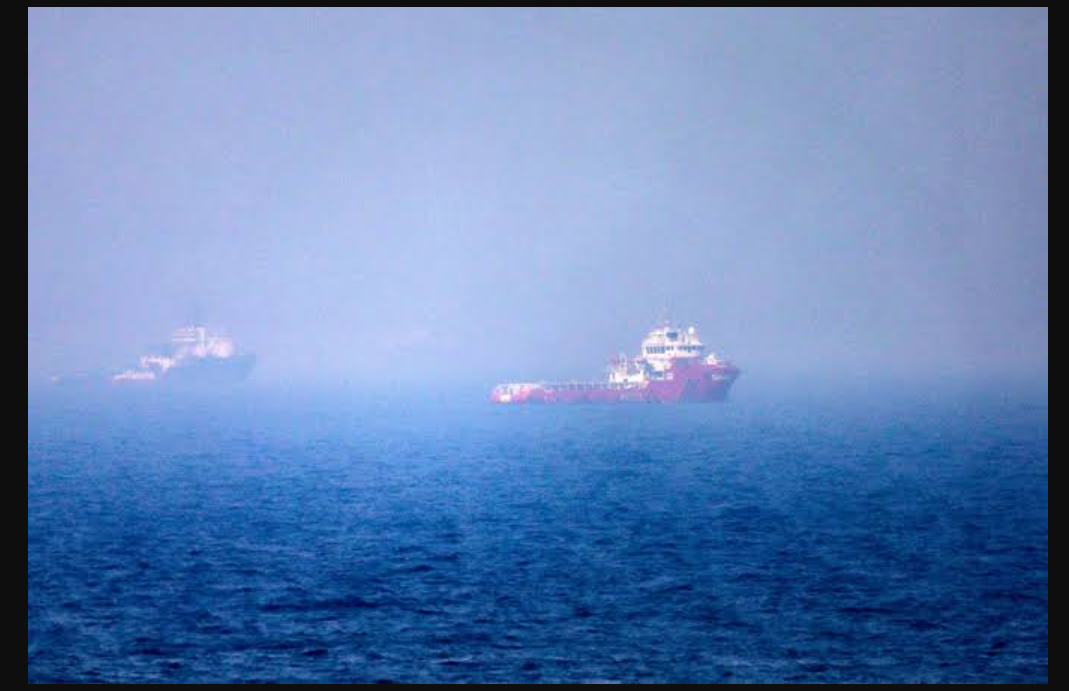

Oman has proposed a new regional mechanism to jointly manage the Strait of Hormuz with Iran. The initiative aims to improve maritime security and support regional stability after weeks of heightened tensions.
According to regional sources, the proposal has received backing from several countries in the Gulf. Unlike previous arrangements, the plan would prevent any single country from exercising sole control over the strategically important waterway.
The proposal comes as diplomatic efforts gain momentum following the recent pause in military tensions between the United States and Iran.
Joint Management Model Inspired by the Strait of Malacca
The proposed framework is based on the management model used in the Strait of Malacca.
Under the plan, countries and shipping companies using the Strait of Hormuz would make voluntary financial contributions.
These contributions would support navigation services, environmental protection and search-and-rescue operations throughout the waterway.
The proposal also seeks to establish a cooperative regional mechanism rather than placing operational control in the hands of one country.
Supporters believe this approach could improve maritime safety while encouraging broader regional cooperation.
Diplomatic Momentum Builds After Military Pause
The proposal emerged shortly after the United States suspended its air strike campaign against Iran over the weekend.
The pause has raised hopes that diplomacy could reduce tensions and restore confidence in one of the world’s most important shipping routes.
Before the recent conflict, nearly one-fifth of global energy supplies passed through the Strait of Hormuz.
Any disruption to shipping in the area has significant implications for global energy markets and international trade.
Therefore, regional governments continue searching for long-term solutions that ensure safe navigation.
Trump Signals Possibility of Agreement
US President Donald Trump also indicated that diplomatic contacts with Iran were progressing.
Speaking on Monday, he said the United States was having “good talks” with Iran.
He also expressed optimism about reaching an agreement.
However, he warned that military operations could resume if negotiations failed to produce results.
His remarks highlighted both the opportunities and uncertainties surrounding the current diplomatic process.
Regional Diplomacy Focuses on Stability
Iranian Foreign Minister Abbas Araqchi discussed developments surrounding the Strait of Hormuz during separate talks with his Omani and Saudi counterparts on Monday.
The discussions focused on strengthening regional cooperation and reducing tensions.
According to Iran’s Foreign Ministry, Araqchi stressed the importance of coordinated diplomatic efforts.
“He emphasised the need to strengthen cooperation and advance joint diplomatic efforts to establish stability in the region, and lift the insecurity imposed on the Strait of Hormuz due to the aggressive actions of the United States,” the ministry said.
Why the Proposal Matters
The Strait of Hormuz remains one of the world’s most strategically significant maritime routes.
Any interruption to shipping affects global oil supplies, international commerce and regional security.
For that reason, the proposed joint management mechanism has attracted considerable attention.
If regional governments reach consensus, the initiative could encourage greater cooperation while improving confidence among international shipping operators.
Although discussions are still at an early stage, the proposal reflects a growing preference for diplomatic solutions over continued confrontation.
Regional leaders are expected to continue consultations as efforts to secure long-term stability in the Strait of Hormuz move forward.

