
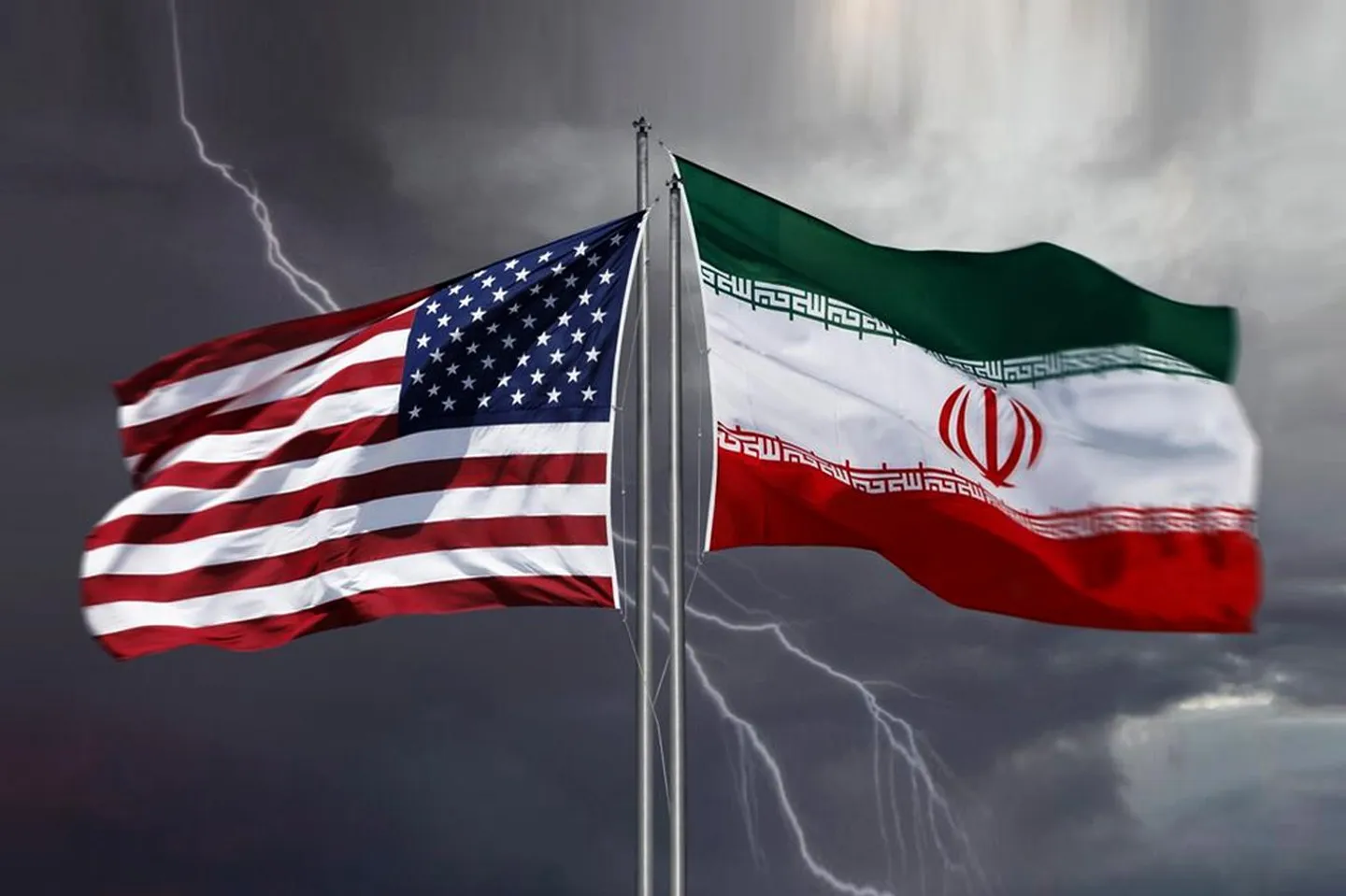

The Economic Affairs Division (EAD) has warned that any renewed escalation between the United States and Iran could negatively affect Pakistan’s economy. According to the division, higher energy prices, rising inflation, increased external financing requirements, and slower economic growth remain key risks if regional tensions intensify again.
The warning was presented during a meeting of the National Assembly Standing Committee on Economic Affairs Division, chaired by Mirza Ikhtiar Baig. During the session, the committee also reviewed the financing of the Lyari Elevated Freight Corridor (LEFC) and discussed delays in the Karachi Greater Water Supply Project (K-IV).
EAD outlines risks from regional tensions
The EAD delegation, including Parliamentary Secretary Zeb Jaffar and Federal Secretary Humair Karim, informed the committee that Pakistan entered 2026 with improving macroeconomic fundamentals. However, the conflict in the Middle East and the temporary closure of the Strait of Hormuz disrupted global energy markets and created fresh economic challenges.
According to the division, the situation led to higher international oil prices, supply chain disruptions, and additional inflationary pressures.
The EAD further stated that international oil prices eased after the ceasefire and the Islamabad Memorandum of Understanding. Maritime trade has also largely resumed.
However, the division cautioned that regional uncertainty continues. It warned that any renewed conflict could once again place significant pressure on Pakistan’s economy.
Committee seeks cost-effective financing for LEFC
Against this backdrop, the parliamentary committee advised the government to examine every cost-effective financing option before accepting strict loan conditions from the Korean Exim Bank for the multi-billion-rupee Lyari Elevated Freight Corridor project.
Members expressed concern over the large difference between the project cost proposed under the Korean financing arrangement and the estimate prepared by the National Highway Authority (NHA).
The committee observed that the proposed financing could nearly double the project’s estimated cost. Therefore, members stressed the need to identify the most financially prudent option in the national interest.
Following detailed discussions, the committee recommended that the EAD secretary hold consultations with the NHA, the Ministry of Planning, Development and Special Initiatives, and the Karachi Port Trust (KPT).
The purpose of those consultations would be to develop a mutually agreed and financially sustainable financing model.
Committee raises concerns over K-IV delays
The committee also expressed concern over the slow pace of the Karachi Greater Water Supply Project (K-IV).
Members noted that only Rs10 billion had been allocated despite the project’s estimated requirement of Rs78 billion.
According to the committee, the funding shortfall could delay the project’s completion and postpone the supply of additional water to Karachi.
As a result, the committee recommended that the Ministry of Water Resources and the K-IV project director provide a detailed briefing during the next meeting.
The briefing should cover the project’s current status, financial requirements, implementation timeline, and measures being taken to overcome existing challenges.
CAREC project update shared
The committee also received an update on Tranche-III of the Central Asia Regional Economic Cooperation (CAREC) project.
Officials informed members that the National Highway Authority has awarded the contract. They also said the project is currently scheduled for completion by December 2027.

