
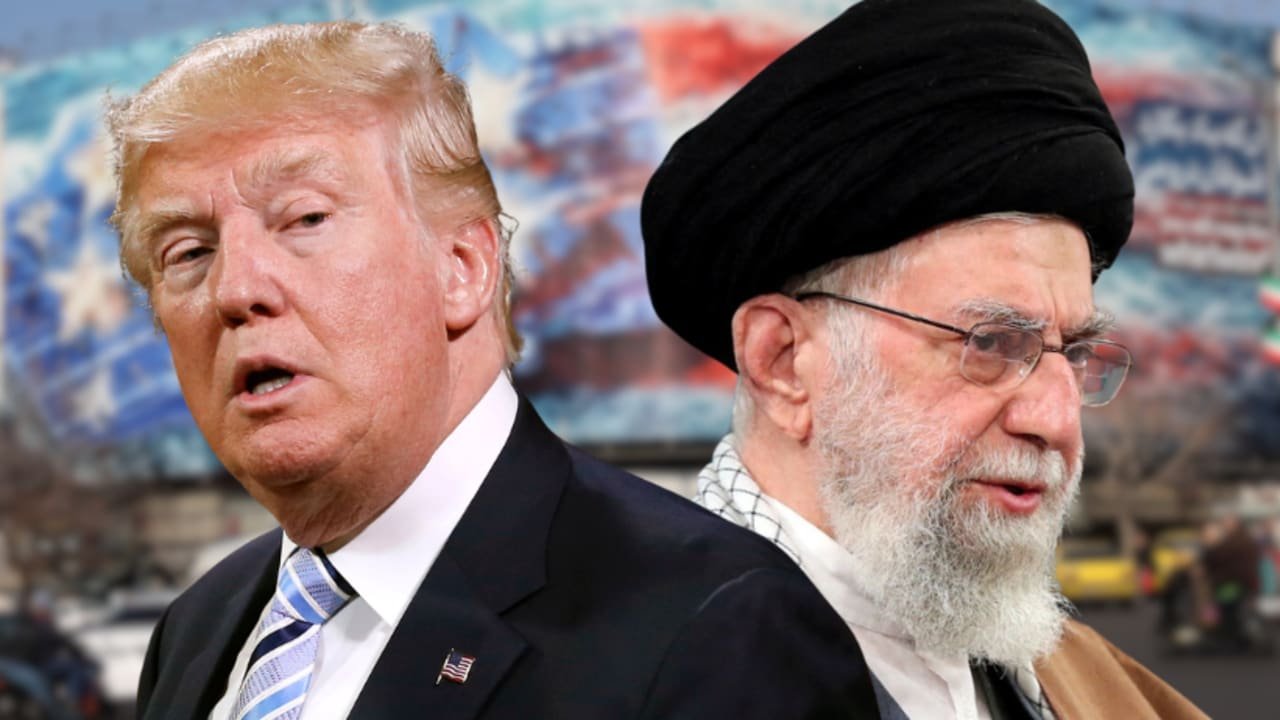

Criticism Targets State Department Restructuring
Reports and commentary have raised concerns about the United States’ diplomatic capacity under the Trump administration, particularly as tensions with Iran continue. According to recent coverage, critics argue that structural changes have significantly reduced the State Department’s ability to manage complex international negotiations.
Analysts suggest that the administration has relied increasingly on a smaller circle of political envoys rather than seasoned career diplomats. As a result, questions have emerged about whether the US possesses the institutional depth required for sustained global engagement. Furthermore, observers note that effective diplomacy often depends on long-term relationships and technical expertise, which may be difficult to maintain under such changes.
At the same time, officials within the administration maintain that alternative approaches can streamline decision-making and produce faster results. However, the debate continues over whether this strategy can deliver durable agreements.
Iran Talks Highlight Diplomatic Challenges
Meanwhile, ongoing tensions with Iran have brought these concerns into sharper focus. Negotiations remain fragile, and both sides have expressed skepticism about each other’s intentions. Consequently, the situation has tested Washington’s diplomatic strategy and its ability to secure meaningful progress.
Critics argue that inexperienced negotiators may struggle to navigate the complexities of regional geopolitics. In contrast, supporters of the administration contend that unconventional tactics can shift entrenched dynamics. Nevertheless, Iran’s firm stance has underscored the challenges facing US representatives.
Overall, the evolving situation highlights broader questions about the effectiveness of current diplomatic structures. As negotiations continue, the outcome may shape perceptions of US foreign policy capacity in an increasingly complex global environment.

