
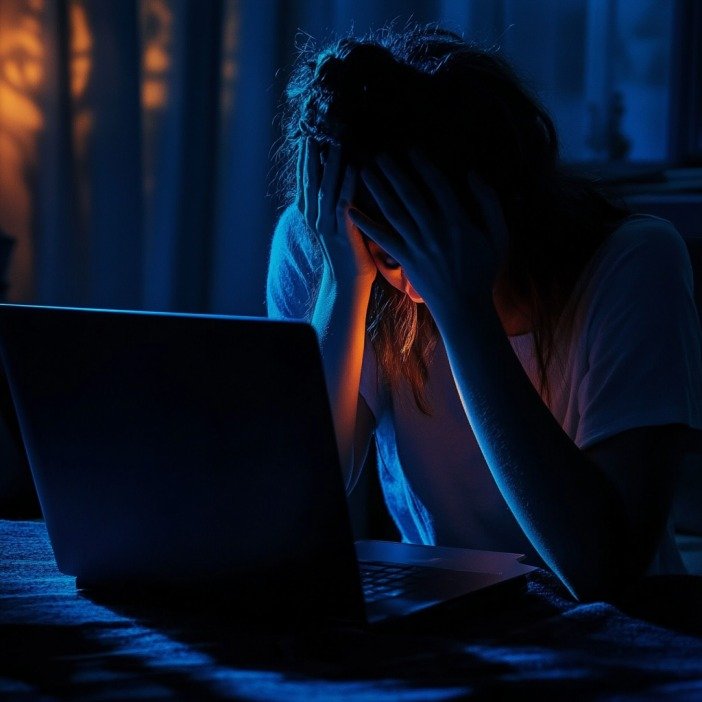

What happens when a picture becomes a weapon, a fake profile turns into a threat, and a simple click changes a woman’s life forever? In Pakistan, the answer lies in a growing digital crisis. Online harassment now reaches far beyond screens and enters women’s everyday lives.
When a Single Click Becomes a Woman’s Worst Nightmare
For many women in Pakistan, the internet has opened doors to education, professional growth, entrepreneurship and self-expression. Social media helps women build careers, share opinions and explore opportunities beyond their immediate surroundings. However, these same digital spaces have also become platforms for intimidation, blackmail and character assassination.
A woman can face abuse simply for posting a photograph, expressing a political opinion or rejecting an unwanted message. Sometimes, strangers steal her pictures and upload them through fake accounts. In other cases, perpetrators circulate manipulated images, threatening messages and fabricated accusations to damage her reputation.
What starts as an online interaction can quickly create fear that follows a woman into her home, workplace and personal relationships.
The problem goes beyond offensive comments or unpleasant encounters. Online harassment threatens women’s privacy, emotional well-being, professional reputations and physical safety. In a society where people often judge women through public perception, digital abuse can have consequences far beyond a mobile screen.
Online content also spreads rapidly. Even when a woman proves an image is fake or an allegation is baseless, deleting the original post may not remove every copy. Screenshots, forwarded messages and downloaded files can continue circulating long after someone removes the original content.
This creates an unsettling reality. A woman may do nothing wrong, yet she must defend her identity against strangers who believe an unverified post.
A Digital World, An Old Pattern of Control
Online harassment may seem like a modern problem, but its underlying attitudes are deeply familiar. The same ideas that restrict women’s freedom in physical spaces also follow them into digital environments.
People frequently judge women for their clothing, photographs, friendships, professional ambitions and willingness to speak publicly. Online, these judgments can turn into coordinated campaigns of humiliation. Anonymous accounts allow perpetrators to hide behind false identities while targeting women with abusive language, threats and fabricated content.
Women with visible social media profiles often face intense pressure. Journalists, activists, students, professionals and public figures may receive criticism that extends beyond their work. Instead, attackers target their personal lives. They dismiss opinions through character-based insults and use photographs for ridicule or manipulation.
Ordinary women face similar risks, often without the resources or public platforms to defend themselves. A university student may worry about a fake account damaging her reputation among classmates. A working woman may fear that fabricated images will reach her colleagues or employer. Someone who rejects an unwanted proposal may become the target of threats and repeated messages.
In each case, perpetrators may use harassment to punish independence, silence opinions or pressure women into unwanted decisions.
Technology has changed the methods of abuse, but the underlying attempt to control women’s choices remains the same.
The Numbers Behind the Silence
Pakistan’s wider record of violence against women provides an important backdrop to growing concerns about digital abuse.
In October 2022, information presented to the National Assembly revealed that authorities had registered 63,367 cases of violence against women across the country over three years. The figures covered 2019 to 2021 and included reported cases of rape, kidnapping, murder, beatings and other forms of violence.
These figures do not measure online harassment specifically. Nor should anyone treat them as a current estimate of violence against women. However, they demonstrate the scale of the wider protection challenge in Pakistan.
Digital harassment adds another layer to this problem. Physical incidents may remain confined to particular locations, but online abuse can reach women at any hour. It can also spread across multiple platforms. A woman may leave an uncomfortable encounter at work, only to find threatening messages waiting on her phone that evening.
The available figures also require careful interpretation. Registered complaints represent incidents that victims brought to authorities. They do not capture every offence. Many women avoid reporting abuse because they fear social judgment, family restrictions, retaliation or exposure of their private information.
Consequently, official figures cannot tell the whole story. Some women seek help and report their experiences. Others remain silent because they find reporting more frightening than enduring the abuse.
Pakistan therefore faces two major challenges: preventing harassment and creating an environment where women can seek protection without facing blame.
Fake Profiles, Real Consequences
One of the most troubling forms of online harassment involves fake social media profiles. Perpetrators use women’s names, photographs or personal information to create these accounts.
They may impersonate women, contact people on their behalf, publish misleading material or circulate fabricated conversations. Some perpetrators aim to damage relationships and professional reputations. Others use fake accounts to threaten victims and demand money, silence or compliance.
The harm does not end when a woman discovers a fake profile. She may have to explain to friends, relatives and employers that she never created the account or published its content. Even after people discover the deception, suspicion and gossip can continue.
Artificial intelligence has made this threat even more complicated. Digital tools can manipulate photographs and create fabricated videos that appear convincing. Perpetrators can exploit people’s tendency to believe what they see.
In Karachi, an October 2026 report described the arrest of a suspect accused of creating fake Facebook and Instagram accounts. The suspect allegedly circulated AI-generated and manipulated images of a woman. The case highlighted how perpetrators can combine impersonation with emerging technology to harass and defame victims.
The allegations remain subject to investigation. However, the incident highlights a serious concern. Technology now allows perpetrators to manufacture material that victims never created and may struggle to disprove.
Someone can copy a photograph shared for an ordinary purpose, alter it and present it in a completely different context. Women should never carry the blame for this misuse of their pictures.
For victims, however, proving the truth can become an exhausting battle against rumours, screenshots and rapidly spreading misinformation.
The growing threat now extends beyond what people say about women online. It also includes what perpetrators can fabricate in their names.
Blackmail Behind Private Messages: The Price of Saying No
Among the most frightening forms of online harassment is the misuse of private photographs, conversations and personal information. What begins as an ordinary online interaction can turn into a cycle of threats, demands and emotional pressure.
Some perpetrators threaten to publish private material unless a woman agrees to their demands. Others use fabricated screenshots, manipulated images or personal conversations to frighten victims into silence.
They may pressure women to send money, continue unwanted relationships or withdraw complaints. The threat of public humiliation often gives perpetrators power over their victims.
In Pakistan, social attitudes can make these threats particularly frightening. Questions about a woman’s character may affect her family relationships, education and career. Therefore, the possibility of private material becoming public can feel devastating.
This fear can discourage women from seeking help, even when they recognise the abuse. Some delete their social media accounts or change their phone numbers. Others withdraw from online spaces altogether. Some continue responding to perpetrators because they believe cooperation might prevent further exposure.
Unfortunately, complying with blackmail does not guarantee protection. Once perpetrators gain control over a victim’s decisions, they may continue making demands.
The emotional consequences can also become serious. Victims may experience anxiety, sleeplessness, isolation and constant fear of another message or post. Their attention becomes consumed by the possibility of exposure. This can affect their studies, work and everyday responsibilities.
The burden remains deeply unfair. Victims must protect their reputations while perpetrators exploit their fear of public judgment.
Online blackmail is therefore more than a personal dispute. When someone uses threats to control another person’s choices, the issue concerns personal safety, privacy and the misuse of digital power.
The NCCIA Warning: A Message to Digital Offenders
Pakistan’s response to cybercrime increasingly focuses on social media misuse, particularly fake accounts, impersonation and the harassment of women.
In October 2026, the National Cyber Crime Investigation Agency (NCCIA) warned people against creating fake social media profiles and harassing women online. The warning highlighted that digital platforms do not give users permission to impersonate others, spread harmful material or threaten people without consequences.
The message matters because many users still treat online behaviour as separate from real-world responsibility. Behind anonymous usernames, some believe they can publish accusations, circulate manipulated photographs or send threats without anyone identifying them.
However, anonymity does not provide immunity. Digital activity can leave evidence. Account information, messages, screenshots and other records may assist investigators.
The NCCIA plays an important role when victims need to report suspected cybercrime and seek an official response. However, warnings alone cannot eliminate the problem. Effective enforcement also requires accessible complaint procedures, proper investigations, timely action and public awareness of legal protections.
Women must feel safe when approaching authorities. They should not expect officials to blame them for the abuse they experienced. Authorities must assess complaints through evidence and protect victims’ privacy throughout the process.
At the same time, investigators must distinguish genuine allegations from verified evidence and unproven claims. Responsible enforcement protects victims while ensuring that investigations follow the law.
The message remains straightforward: anyone can create a social media account within seconds, but using it to threaten or impersonate another person can carry serious consequences.
Why Reporting Still Feels Like Another Battle
For many women, reporting online harassment is not a simple decision. They must revisit distressing messages, preserve sensitive evidence and explain their experiences to people who may not understand the seriousness of the abuse.
Fear of victim-blaming remains a major obstacle. Instead of asking why someone created a fake profile or threatened a woman, people may question why she shared a photograph, accepted a friend request or communicated with a particular person.
Such reactions shift responsibility away from the perpetrator. They also reinforce the harmful belief that women must restrict their online activities to avoid becoming targets.
Family pressure can make matters even more difficult. Some victims fear losing access to their phones or facing restrictions on university attendance. Others worry that reporting an incident could expose them to further harassment.
Preserving evidence also presents challenges. Perpetrators can delete posts, remove accounts and erase threatening messages. Victims may not know which details to record or where to seek assistance.
A supportive response can make a significant difference. Families should listen without judgment, avoid spreading private material and help victims explore safe reporting options. Friends and colleagues should also refuse to forward unverified content, even when it appears sensational.
Anyone experiencing harassment should preserve relevant messages, profile links, screenshots and dates. These records can help document an incident. Victims should avoid public retaliation or negotiating with blackmailers under pressure.
They can also report abusive accounts to the relevant social media platforms. For suspected cybercrime, they can contact the NCCIA through its official channels and seek guidance about available options.
Most importantly, victims should never have to navigate this process alone.
From Digital Awareness to Digital Accountability
Preventing online harassment requires more than asking women to remain careful. Privacy settings, strong passwords and cautious sharing can reduce certain risks. However, these precautions cannot stop someone determined to impersonate, threaten or exploit another person.
Social media companies must also take responsibility for safer digital spaces. They should make reporting systems accessible and respond appropriately to impersonation, threats and non-consensual manipulated content.
Platforms must assess reports promptly and explain the available options clearly. Users should not struggle through complicated procedures while harmful content continues spreading.
Educational institutions and workplaces can also help prevent digital abuse. They should establish clear policies and provide confidential channels for support. Awareness programmes should teach students and employees about consent, privacy and responsible online behaviour.
Men and boys also have an important role in changing digital culture. They can challenge abusive jokes, refuse to circulate humiliating content and speak against threats. Such actions can help prevent harmful behaviour from becoming socially acceptable.
Ultimately, online safety cannot come from removing women from digital spaces. Society must make those spaces safer for everyone.
The Right to Exist Online Without Fear
Pakistan’s fight against online harassment is about more than cybercrime. It is about whether women can participate in digital life without facing threats, humiliation or attempts to control their choices.
Social media should allow women to learn, work, communicate and express themselves freely. They should not have to calculate the personal risks of being visible online. A woman should never abandon her ambitions because someone might misuse her photograph or punish her for speaking publicly.
Achieving this goal requires consistent law enforcement, responsible digital platforms and supportive families. Society must also hold perpetrators accountable instead of questioning victims. Awareness must translate into action, while reporting systems must give women meaningful opportunities to seek justice.
The NCCIA’s warnings serve as an important reminder that online actions carry real consequences. However, lasting change depends on effective investigations, accessible support and greater public understanding.
The internet has the potential to expand women’s freedom. Allowing harassment to flourish risks turning that opportunity into another source of fear.
A woman’s right to safety does not end at her doorstep, and her dignity does not become negotiable when she goes online.
Pakistan’s digital future must allow women to participate freely, hold perpetrators accountable and ensure that silence is no longer the price of protection.
For the latest updates, visit and follow The Truth International website (www.thetruthinternational.com) and subscribe to the YouTube Channel.

