
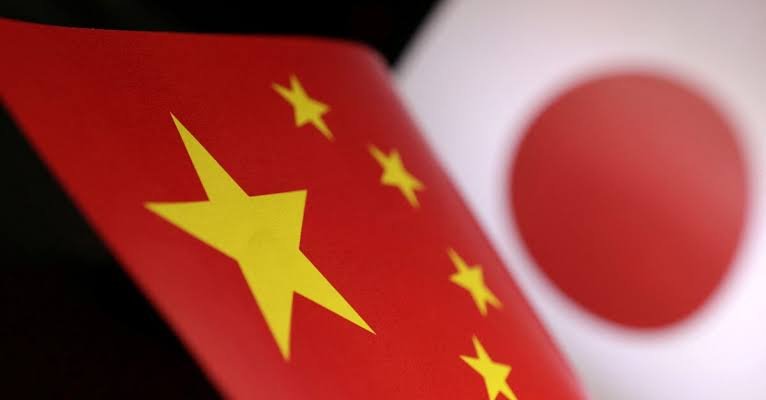

Beijing Responds to Modi-Takaichi Talks
China has warned that cooperation between Japan and India should not target Beijing or harm the interests of any third country.
The statement came after Indian Prime Minister Narendra Modi and Japanese leader Sanae Takaichi agreed to deepen cooperation on critical minerals and strategic supply chains.
The talks were held in New Delhi on Thursday.
Critical minerals were a major focus of the meeting. These minerals are used in electric vehicles, smartphones, jet engines, semiconductors, and guided missile systems.
China’s foreign ministry said countries should build trust and understanding through cooperation.
Foreign ministry spokesperson Guo Jiakun said cooperation between nations should not be used to create exclusive blocs or increase confrontation.
He added that such partnerships must not damage the interests of third parties.
Critical Minerals Become Strategic Focus
India and Japan agreed to strengthen supply chain resilience in important sectors.
These include semiconductors, quantum technologies, and critical minerals.
Modi said after the meeting that both countries were committed to building stronger cooperation in strategic industries.
Japan also expressed concern over economic pressure and non-market practices.
Takaichi said Japan and India were facing challenges linked to the weaponisation of the economy.
Her remarks appeared to reflect growing concern over supply chain dependence and economic restrictions in sensitive sectors.
Critical minerals have become a major global issue. Many countries are trying to reduce dependence on limited suppliers for rare earths and other strategic resources.
China-Japan Tensions Continue to Rise
The latest Chinese response comes at a time of strained relations between Beijing and Tokyo.
Tensions increased after Takaichi suggested in November that a future attack on Taiwan could lead to possible Japanese military involvement.
China claims Taiwan as its own territory, while Taiwan governs itself.
Beijing reacted strongly to the remarks.
Chinese authorities have also restricted rare earth flows to Japan. China dominates the global rare earth sector in both mining and processing.
This week, China’s commerce ministry added 20 Japanese entities to an export blacklist. Beijing said the companies had supported Tokyo’s military capabilities.
Japan rejected the move and called it unacceptable and deeply regrettable.
Tokyo has demanded that China reverse the decision.
The developments show growing regional tension over security, trade, supply chains, and strategic resources.

