

China has described Pakistan’s diplomatic engagement in the Gulf region as constructive and important amid rising regional tensions. The statement highlights growing international recognition of Islamabad’s efforts to promote dialogue and stability during a sensitive geopolitical period.
Chinese officials emphasized peaceful engagement while urging all sides to avoid escalation. The remarks reflect broader concerns about regional security, maritime safety, and adherence to international law.
China Commends Pakistan’s Peacemaking Efforts
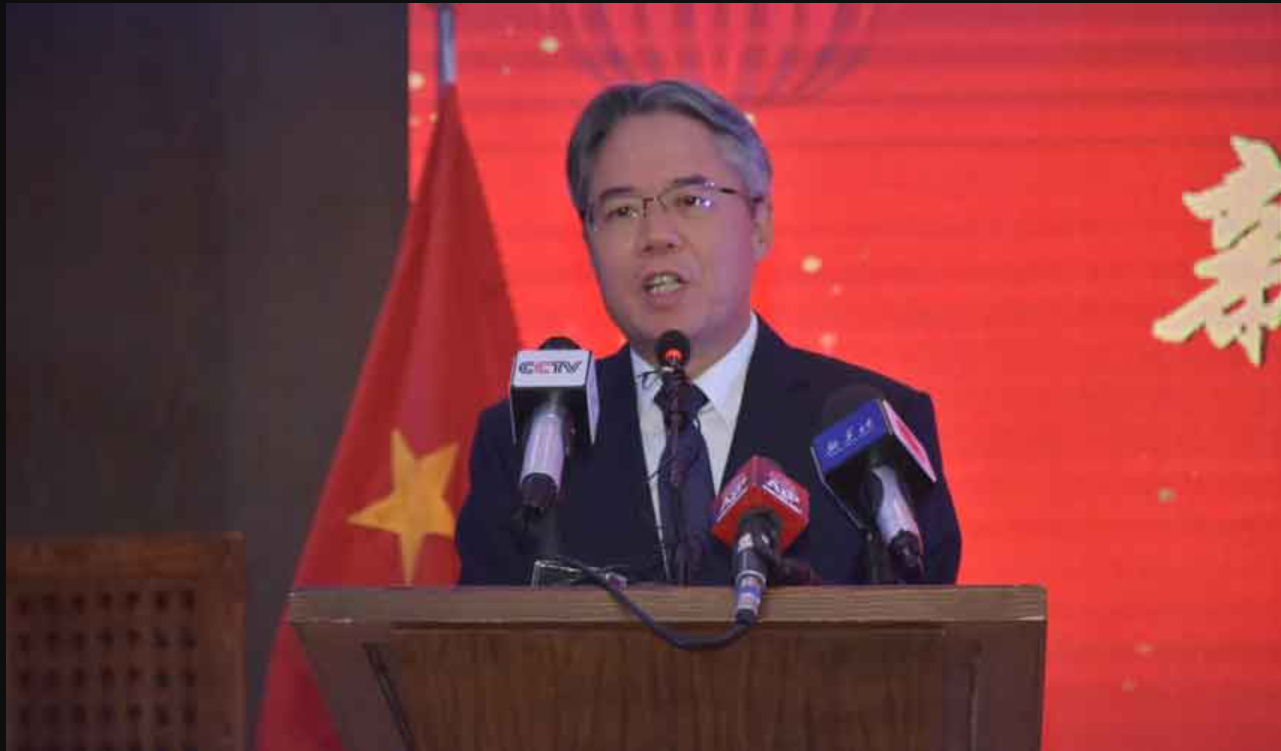
China’s ambassador to Pakistan praised Islamabad’s approach to mediation during the ongoing Gulf situation. He described Pakistan’s role as constructive and supportive of regional stability.
According to the envoy, diplomatic engagement remains essential during periods of conflict. Pakistan’s outreach and balanced stance have therefore gained positive attention from Beijing.
Officials believe mediation helps reduce misunderstandings between opposing sides. Moreover, dialogue-based diplomacy can prevent tensions from expanding into wider confrontation.
China reaffirmed its commitment to encouraging reconciliation efforts across the region. The ambassador stated that Beijing would continue supporting initiatives aimed at peaceful resolution.
Call for Dialogue Over Military Action
Chinese representatives stressed that disputes should be resolved through negotiations rather than force. They argued that diplomacy offers sustainable solutions compared to military escalation.
The ambassador highlighted the importance of communication channels during crises. Constructive dialogue, he said, allows countries to manage disagreements without destabilizing regional peace.
China also expressed concern over actions that undermine international norms. Officials emphasized respect for global legal frameworks when addressing conflicts.
Consequently, Beijing urged all parties to exercise restraint and prioritize diplomacy over confrontation.
Protection of Civilian Sites Emphasized
During the briefing, strong emphasis was placed on safeguarding non-military locations. The envoy stated clearly that civilian infrastructure should never become a target during conflict.
Protecting civilian areas reduces humanitarian risks and prevents unnecessary suffering. Furthermore, it helps maintain international confidence in conflict management practices.
China’s position reflects broader calls for responsible conduct during military tensions. Leaders believe avoiding civilian harm remains essential for long-term stability.
Securing Sea Routes a Strategic Priority
Another key concern raised involved the safety of maritime routes in the Gulf region. The ambassador stressed that sea lanes must remain secure under all circumstances.
Global trade heavily depends on uninterrupted shipping channels. Therefore, any disruption could affect energy supplies and international commerce.
China emphasized collective responsibility in protecting maritime security. Stable sea routes benefit not only regional states but also the global economy.
Ensuring safe navigation also reduces risks of economic shocks linked to supply disruptions.
Commitment to International Law and Stability
Chinese officials noted that certain developments in the Middle East raised concerns regarding compliance with international principles. They emphasized the importance of respecting the United Nations Charter.
Adherence to international law, they argued, strengthens trust among nations. It also creates conditions necessary for meaningful diplomatic engagement.
China reiterated support for peaceful conflict resolution through multilateral cooperation. The ambassador encouraged continued efforts aimed at de-escalation and constructive negotiation.
Pakistan’s Emerging Diplomatic Role
Pakistan’s involvement in regional diplomacy reflects its longstanding emphasis on dialogue and mediation. Observers view Islamabad’s engagement as part of a broader effort to promote stability across neighboring regions.
By supporting diplomatic channels, Pakistan positions itself as a bridge between competing interests. Such efforts may contribute to reducing tensions during uncertain geopolitical moments.
As regional dynamics continue evolving, diplomatic cooperation remains central to preventing escalation. China’s endorsement underscores the importance of mediation in maintaining peace.

