
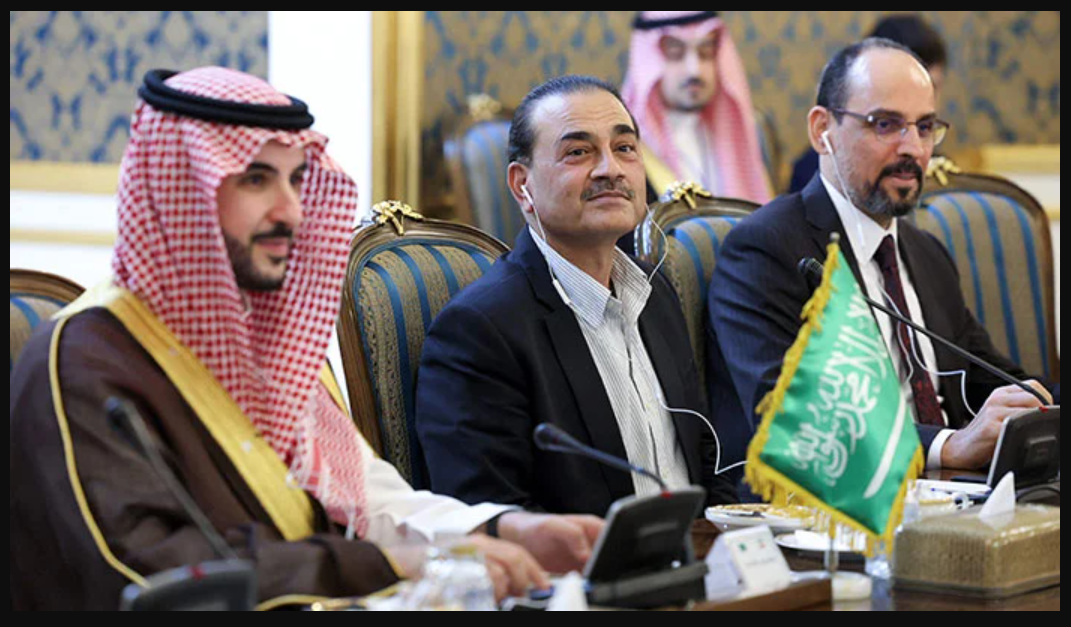

Pakistan’s Chief of Defence Forces Field Marshal Syed Asim Munir has joined senior Saudi and Turkish officials in Tehran for talks with Iranian leaders. The meeting comes amid escalating regional tensions and continuing efforts to prevent the Middle East conflict from widening.
Iran hosted representatives of the three countries associated with the Makkah security pact: Pakistan, Saudi Arabia and Türkiye. The discussions began on Monday, October 26, following a request from Pakistan.
According to Iran’s state broadcaster, the talks focus on regional cooperation, the US-Israeli attacks on Iran and their consequences. The meeting brings key regional players together as diplomatic efforts continue to ease tensions.
Who Attended the Tehran Meeting?
Iranian officials confirmed the participation of senior representatives from Pakistan, Saudi Arabia and Türkiye.
The delegations include Saudi Defence Minister Prince Khalid bin Salman, Field Marshal Syed Asim Munir and Turkish intelligence chief Ibrahim Kalin. Iranian President Masoud Pezeshkian met the visiting representatives alongside Foreign Minister Abbas Araghchi and National Security Council head Mohsen Rezaei.
Ali Bagheri Kani, deputy secretary of Iran’s Supreme National Security Council, announced the expected attendance of the foreign delegations. He also said Rezaei would participate in the meetings.
Earlier on Monday, Pakistan’s military public relations wing confirmed Field Marshal Munir’s visit to Tehran.
Why Are Makkah Pact Countries Meeting Iran?
The talks come as regional tensions continue following months of conflict involving Iran, the United States and Israel. The fighting began after US-Israeli attacks on Iran in late February, according to the report.
Iran subsequently blockaded the Strait of Hormuz, disrupting global markets and energy trade. Although an April ceasefire ended the initial phase of intense bombardment, disputes over control of the strategic waterway continued.
The strait is a critical route for international energy shipments. Before the conflict, around one-fifth of the world’s oil and liquefied natural gas passed through it.
Meanwhile, the conflict has spread beyond Iran and Israel, with tensions also involving Saudi Arabia and Yemen’s Houthi movement. The Houthis have attacked airports and oil facilities in Saudi Arabia, adding another security challenge for the region.
Saudi Arabia Says Visit Aims to Reduce Tensions
Saudi Deputy Minister for Public Diplomacy Dr Rayed Krimly confirmed that the Kingdom’s defence minister was leading a delegation to Tehran.
“The visit comes as part of the continued efforts by the Makkah Joint Defence Agreement countries for de-escalation between parties involved in the ongoing crisis,” Krimly said in a post on X.
He added that the visit aims at “promoting dialogue and diplomatic solutions, in support of the mediation efforts carried out by the State of Qatar and the Islamic Republic of Pakistan”.
The remarks underline the role Pakistan and Qatar are playing in diplomatic efforts to reduce regional tensions. However, the meeting’s eventual impact will depend on whether the participating countries can make progress through dialogue.
Strait of Hormuz Dispute Complicates Diplomatic Efforts
Control of the Strait of Hormuz remains a major obstacle to resolving the wider crisis. Iran claims control over the waterway and regularly targets vessels attempting to cross without its authorisation.
Meanwhile, the United States has imposed a naval counter-blockade on Iranian ports. These competing measures have complicated efforts to restore normal maritime movement and stabilise energy markets.
Diplomatic negotiations also remain stalled following the collapse of a June agreement that outlined a pathway towards a permanent settlement.
Can the Tehran Talks Help Prevent Further Escalation?
The gathering brings Pakistan, Saudi Arabia, Türkiye and Iran into direct discussions at a sensitive moment for regional security. Their talks address the conflict’s consequences, regional cooperation and efforts to encourage diplomatic solutions.
Pakistan’s participation also reflects its stated role in mediation efforts alongside Qatar. Nevertheless, the continuing disputes over the Strait of Hormuz and the wider conflict present significant challenges.
The Tehran meeting provides an opportunity for regional officials to discuss de-escalation. Whether it produces concrete progress towards a lasting settlement remains to be seen.
For the latest updates, visit and follow The Truth International website (www.thetruthinternational.com) and subscribe to the YouTube Channel.

