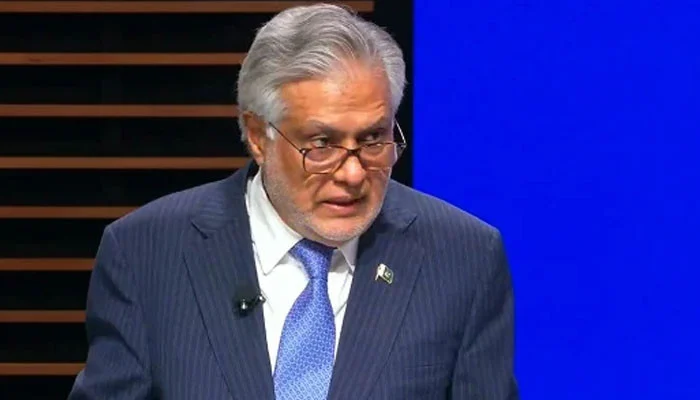

Pakistan’s Deputy Prime Minister and Foreign Minister Ishaq Dar has called for a regional security framework to secure lasting peace in the Middle East. He said the region needs a coordinated mechanism to address ongoing conflict and its wider economic consequences.
Speaking in an interview with Euronews in Islamabad, Dar highlighted Pakistan’s diplomatic engagement with regional and European partners. He said Pakistan, Turkey, Saudi Arabia and other countries were working with European nations to promote stability.
According to Dar, the proposed framework could provide a broader platform for regional security cooperation. He also stressed the importance of addressing the geopolitical and economic effects of the conflict.
Makkah Defence Pact Could Provide a Starting Point
Dar identified the Makkah defence pact as a possible foundation for a wider regional security arrangement. Pakistan, Turkey and Saudi Arabia signed the agreement in August.
He said the pact could help establish a broader security architecture involving additional regional and international partners. Meanwhile, Britain, France and Germany were engaging with the proposed framework.
Italy has also expressed interest in joining the dialogue, Dar added. These discussions reflect efforts to build wider cooperation around regional peace and security.
Pakistan’s Diplomatic Efforts Between the US and Iran
Dar also discussed Pakistan’s attempts to facilitate dialogue between the United States and Iran during the early days of the war. He recalled contacting Iranian Foreign Minister Abbas Araghchi on February 28, the conflict’s first day.
During that conversation, Dar urged Tehran to show restraint and avoid retaliatory action against Gulf countries. Subsequently, Pakistan continued diplomatic efforts to bring Washington and Tehran to the negotiating table.
Those efforts led to a 21-hour session, which eventually produced what Dar described as the June 18 US-Iran memorandum of understanding. The understanding aimed to end the war.
Strait of Hormuz Passage Remains a Key Concern
Dar highlighted the free movement of vessels through the Strait of Hormuz as a major provision of the understanding. He said the agreement called for passage without tolls, permits or additional charges.
The foreign minister reaffirmed Pakistan’s commitment to maintaining this principle. Moreover, he said Islamabad was urging both sides to honour the agreement.
The Strait of Hormuz provision remains central to Pakistan’s diplomatic position on the conflict. Dar’s remarks underline Islamabad’s continued push for dialogue, regional cooperation and arrangements supporting lasting peace.
For the latest updates, visit and follow The Truth International website (www.thetruthinternational.com) and subscribe to the YouTube Channel.