

New Research Signals Shift from Bone Loss Prevention to Bone Regeneration
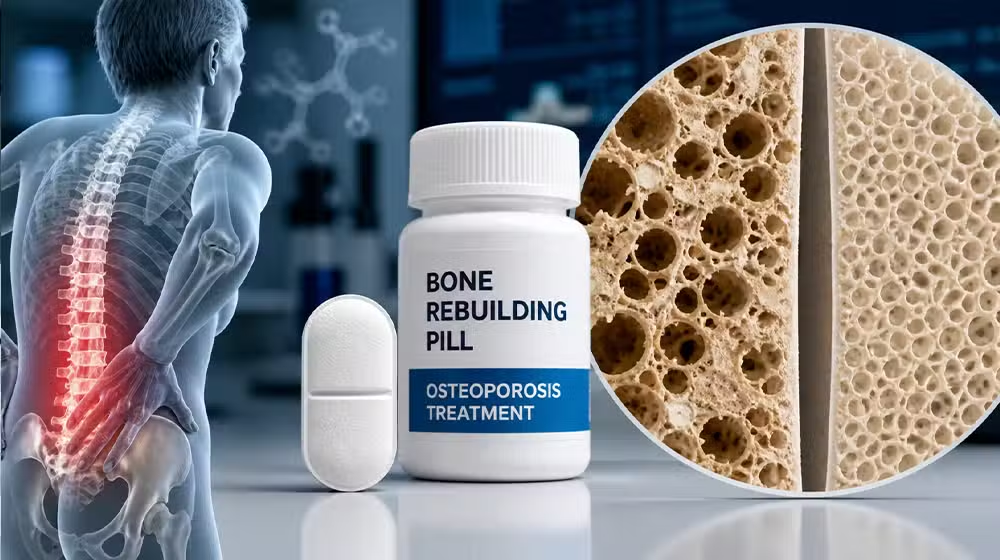
A groundbreaking development in Japan may redefine how Osteoporosis is treated. Researchers at Osaka Metropolitan University are working on an innovative oral medication. This experimental pill aims to rebuild bone tissue instead of simply slowing its loss.
Current treatments mainly focus on delaying bone deterioration. Common therapies like Bisphosphonates and hormone-based medications reduce the rate of bone breakdown. However, they do not restore lost bone mass. This limitation has driven the need for more advanced solutions.
The new pill introduces a different approach. It targets the root cause of bone weakness. Researchers believe it could offer a more effective and long-term solution for patients.
How the New Pill Works to Rebuild Bone Strength
The experimental drug works by activating osteoblasts. These are the cells responsible for forming new bone. By stimulating these cells, the treatment encourages the body to regenerate bone tissue naturally.
This process could significantly improve bone density. It may also restore skeletal strength over time. Unlike traditional therapies, the goal is to reverse existing damage. This marks a major shift in treatment strategy.
Osteoporosis weakens bones gradually. Even minor falls can cause serious fractures. Common fracture areas include the hips, spine, and wrists. With this new approach, patients may experience stronger bones and reduced fracture risk.
If clinical trials confirm its effectiveness, the pill could become a simple oral treatment. This would eliminate the need for complex or long-term therapies. It may also improve patient compliance due to its convenience.
Global Impact and Future Potential of the Treatment
Osteoporosis affects more than 200 million people worldwide. It is a major public health concern, especially in aging populations. Countries with older demographics face higher risks and healthcare burdens.
In Japan alone, around 15 million people are at risk of developing osteoporosis. The new research offers hope for millions of patients globally. It could also benefit countries like Pakistan, where access to advanced treatments is often limited.
Experts believe the drug could transform bone disease management. A successful rollout would shift the focus from prevention to recovery. This would represent a significant advancement in modern medicine.
Further trials are still required before the pill becomes widely available. Researchers remain optimistic about its potential. If approved, it could change how doctors treat bone-related conditions for decades.
This innovation highlights the growing role of science in tackling chronic diseases. It also opens the door for more regenerative treatments in the future.

