

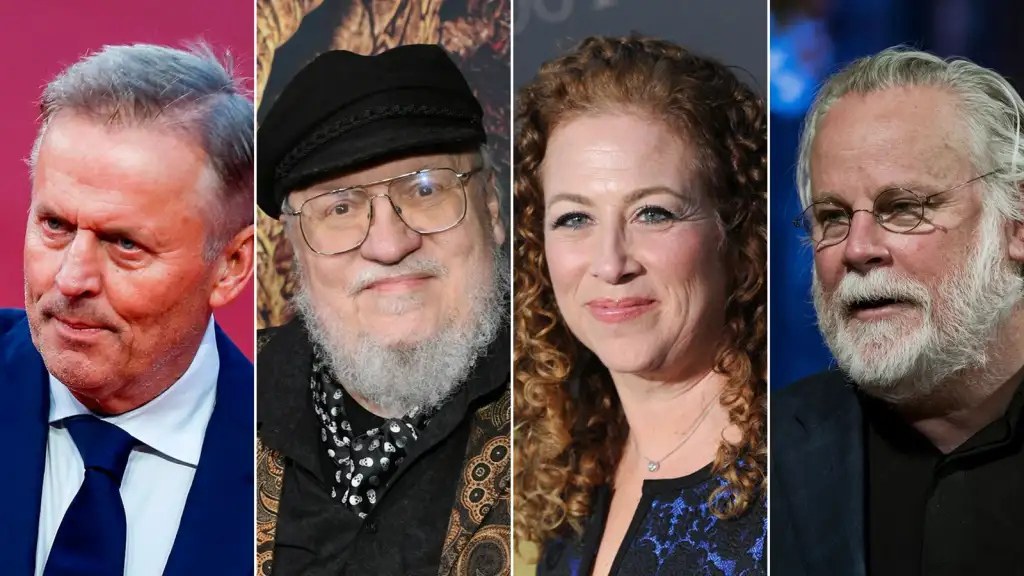

John Grisham, Jodi Picoult, George R.R. Martin, and 14 other authors have filed a proposed class-action lawsuit against OpenAI. This legal action is part of a growing trend of creators concerned that artificial intelligence programs are using their copyrighted works without permission. Additionally, it reflects a broader shift in the creative industry towards addressing the challenges posed by AI-generated content.
The Authors Guild organized this latest lawsuit, joining several others filed by writers, source code owners, and visual artists against generative AI providers, including Microsoft-backed OpenAI, Meta Platforms, and Stability AI.
The authors allege that OpenAI’s ChatGPT program has committed “flagrant and harmful infringements” of their registered copyrights. They describe it as a “massive commercial enterprise” built on “systematic theft on a mass scale.” Moreover, the lawsuit claims that OpenAI’s use of training data scraped from the internet does not qualify as fair use under US copyright law.
Authors involved in this lawsuit include Michael Connelly, David Baldacci, Scott Turow, and others. Furthermore, Mary Rasenberger, the CEO of the Authors Guild, stated that stopping this alleged theft is essential to protect the literary culture and the ability of authors to control how generative AI uses their works.
The lawsuit cites specific instances where ChatGPT generated content infringing on the authors’ copyrights, such as creating an unauthorized outline for a Game of Thrones prequel by George R.R. Martin.
The lawsuit cites specific instances where ChatGPT generated content infringing on the authors’ copyrights such as creating an unauthorized outline for a Game of Thrones prequel by George R.R. Martin.
OpenAI responded by stating that they respect authors’ rights and are engaged in productive conversations with creators worldwide. They express optimism about finding mutually beneficial ways to work together in the context of AI technology and a rich content ecosystem.
