
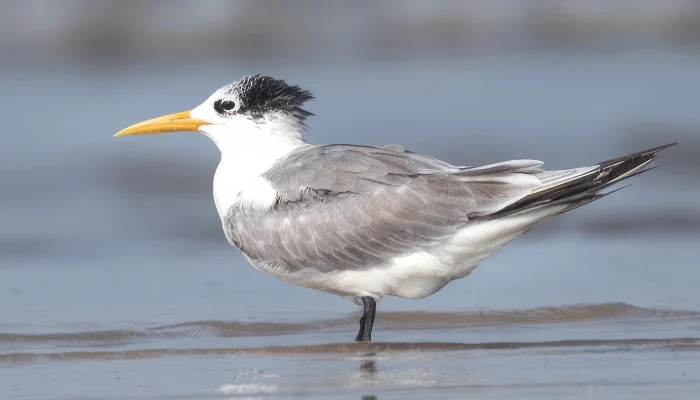

Australia has officially confirmed the first case of the deadly H5N1 bird flu virus in a native, non-migratory seabird. This development marks a concerning new phase in the disease’s local spread. The highly pathogenic strain first landed on the country’s mainland shores just last month.
Laboratory testing by Australia’s national science agency confirmed the virus in a greater crested tern. Wildlife teams found the dead bird in the South Australian coastal town of Robe, according to Agriculture Minister Julie Collins. This represents the first confirmed infection in a local Australian seabird, whereas all previous mainland cases involved migratory species.
Phased Detections and Regional Surveillance
The new case brings the total number of confirmed H5N1 detections on the Australian mainland to 12. Alongside the greater crested tern, authorities confirmed three other infections on Friday:
-
Two additional wild bird infections in South Australia (SA).
-
One new confirmed infection in Western Australia (WA).
Agriculture Minister Julie Collins described the situation as concerning but noted it was not unexpected. Currently, authorities report no evidence of mass mortalities among wild populations. Furthermore, the virus has not spread to commercial poultry farms or the broader agricultural sector.
Investigating Local Transmission Pathways
Government scientists are now undertaking extensive work to establish the exact pathway of the native bird’s infection. Because the greater crested tern is a coastal resident, it shares habitats and overlapping coastal ranges with migratory birds that previously tested positive for the H5 strain.
Until recently, the Australian mainland was the final continent entirely free of mainland-based H5N1. While the virus was detected in late 2025 on the sub-Antarctic territory of Heard Island—located roughly 4,100 kilometers (2,600 miles) away—it only bridged to continental Australia in June. Biosecurity departments have now implemented enhanced surveillance zones across the impacted South Australian coast to monitor local wildlife behavior closely.

