
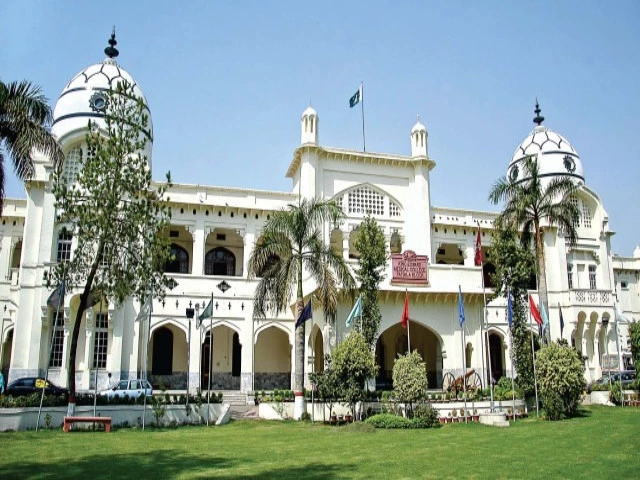

LAHORE: Lahore’s King Edward Medical University (KEMU) has begun implementing new Pakistan Medical and Dental Council (PMDC) instructions affecting Afghan medical students. The directive requires current Afghan students to complete formalities for their departure from Pakistan. It also halts new admissions, transfers and migration involving Afghan nationals.
Following PMDC instructions issued on September 1, KEMU directed 20 Afghan MBBS students to report to the assistant registrar within 24 hours. They must complete the required legal and administrative procedures.
University records show that 22 Afghan nationals are associated with KEMU. The figure includes 20 current MBBS students and two graduates. Seven of the affected students are in their final year.
The university is processing academic and immigration documentation for the students. This includes No Objection Certificates (NOCs), academic verification and institutional clearances.
“The administration has instructed students to remain in contact with it to ensure that all mandatory procedures are completed within the prescribed timeframe,” said a Kemu official.
PMDC Suspends Future Admissions
The PMDC directive also suspends new admissions, transfers and migration applications involving Afghan nationals until further notice. Medical and dental institutions must comply with the order and coordinate with relevant authorities.
Meanwhile, universities are preparing transcripts, examination records and other academic documents. These records could help students continue their education where regulations permit.
Hostel administrations have also started exit procedures. Affected students must complete hostel, library and laboratory clearances. They must also return university property and settle outstanding charges.
Amnesty Criticises PMDC Decision
Amnesty International has described the decision as “patently discriminatory and arbitrary”. It urged authorities to find a humane solution allowing Afghan students, including women and girls, to complete their education.
The policy could significantly affect students nearing graduation. Moreover, it may reshape future academic cooperation and medical education opportunities between Pakistan and Afghanistan.

