
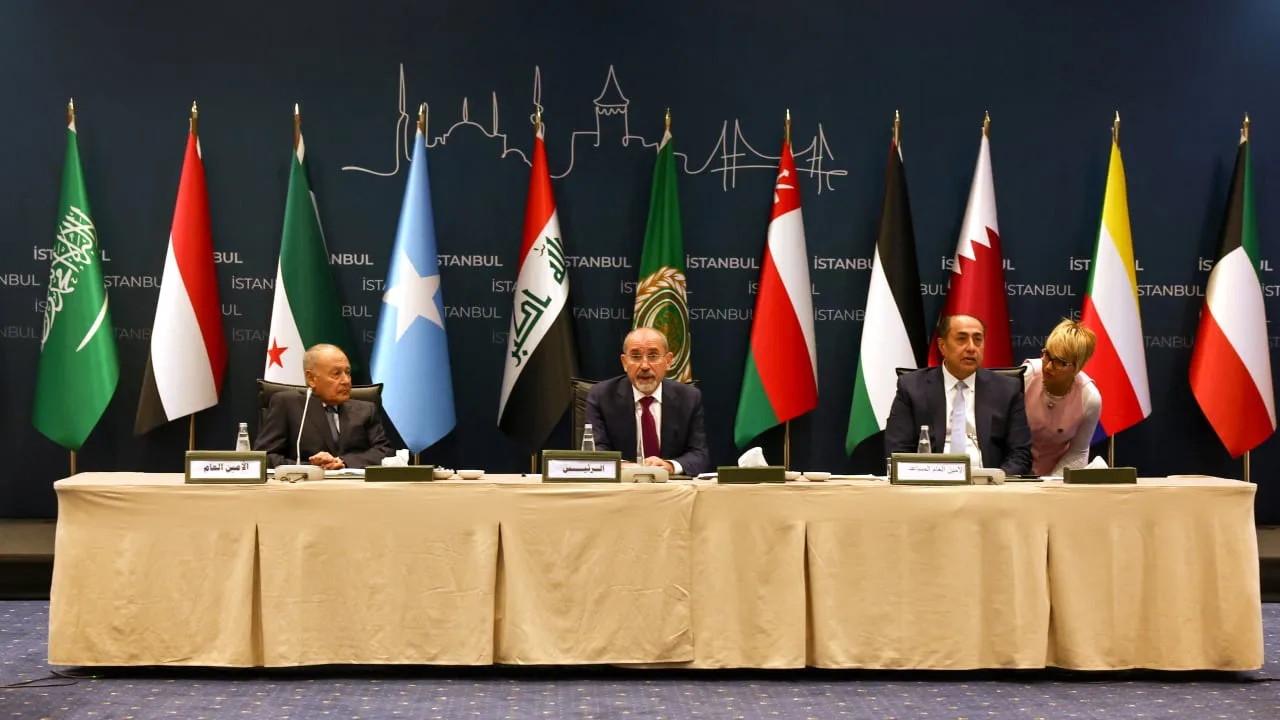

Rising Debate Over League Effectiveness and Gulf Membership
Questions have intensified over the role of the Gulf Cooperation Council states within the Arab League following recent regional conflicts involving Israel, the United States, and Iran. In particular, Gulf observers and political commentators argue that the Arab League has failed to take decisive positions on Iranian strikes targeting Gulf states and Jordan.
Consequently, critics claim the organisation reflects Egyptian policy influence due to its headquarters in Cairo and the historical dominance of Egyptian officials in senior positions. Although the Arab League issued statements condemning the attacks and reaffirming solidarity with member states, many Gulf voices считают these responses insufficient.
In addition, an emergency ministerial meeting in March 2026 formally condemned violations of Arab sovereignty. However, controversy grew after Secretary-General Ahmed Aboul Gheit described Iranian escalation as a “huge mistake” and noted that no member had requested a break in ties with Tehran. As a result, officials and commentators across the Gulf expressed frustration over what they saw as weak coordination.
Calls for Reform, Relocation, or Replacement Intensify
Meanwhile, senior Gulf figures and analysts have increasingly called for structural reforms or even withdrawal from the Arab League. Some suggested relocating the headquarters from Cairo to Riyadh, while others proposed binding decision-making mechanisms similar to the European Union.
Furthermore, critics argued that the League suffers from slow decision-making, limited enforcement power, and dependence on symbolic statements. Some even called for dissolving the organisation in favour of a new regional coordination body.
However, Egyptian analysts rejected these claims, arguing that internal divisions among Arab states, rather than leadership structure, weaken the League. They stressed that differing foreign policy interests make unified action difficult.
Overall, the debate highlights widening regional disagreements over collective security and the future of Arab multilateral institutions.

