
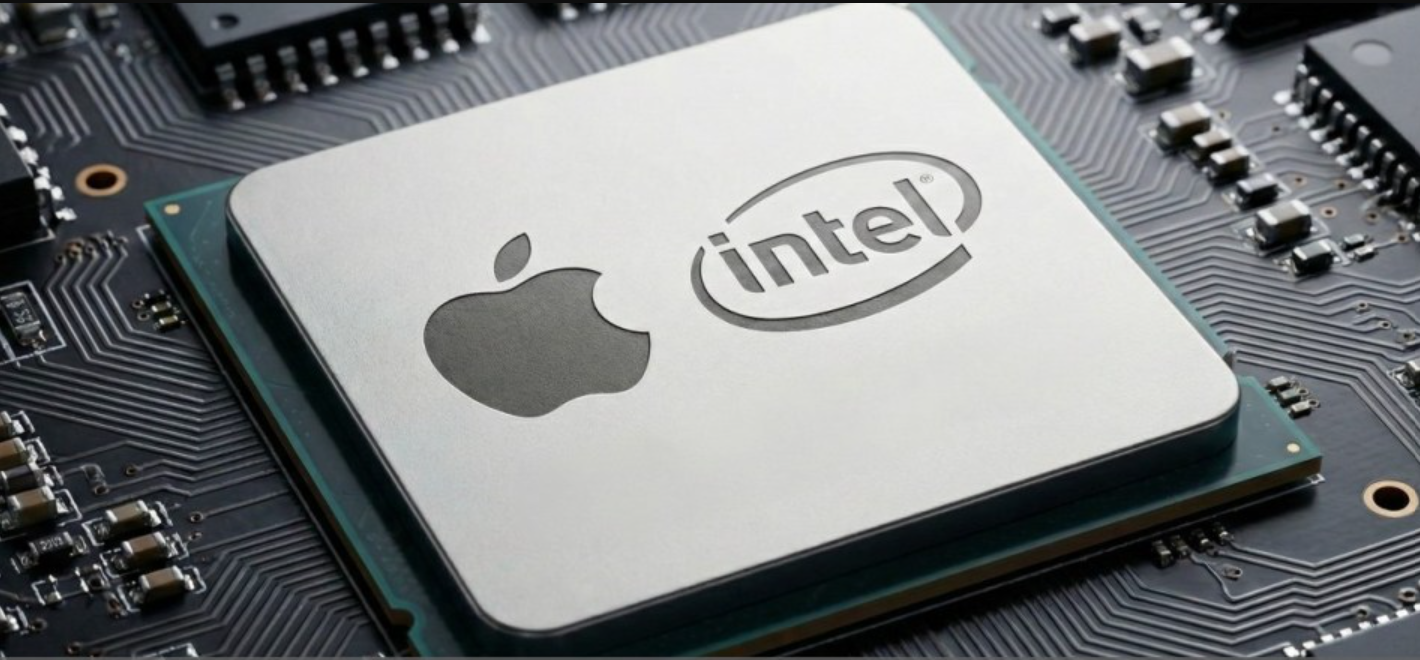

Apple is reportedly expanding its chip manufacturing strategy by testing Intel as a potential production partner. The move signals Apple’s effort to reduce reliance on a single supplier and diversify its semiconductor supply chain.
While Taiwan Semiconductor Manufacturing Company (TSMC) remains Apple’s primary chipmaker, early-stage testing with Intel has now begun.
Apple and Intel Begin Chip Testing Phase
According to industry reports, Apple and Intel have initiated small-scale testing of lower-end and legacy Apple silicon chips.
These tests reportedly use Intel’s 18A P manufacturing process. The evaluation is still in its early stages and focuses on performance and production efficiency.
Analysts suggest that this collaboration could support future chip production for select Apple devices.
Potential Use Across Apple Devices
The chips under testing are reportedly intended for multiple Apple product lines. These include iPhone, iPad, and Mac devices.
Industry estimates suggest that around 80% of the tested chip orders are linked to iPhone models.
In this setup, Apple continues to design its own silicon while Intel handles manufacturing within the United States.
The Intel 18A P process is being compared with advanced fabrication technologies used for Apple’s A-series chips, including the A18 Pro.
Gradual Production Timeline
The testing phase is expected to continue throughout the current year. However, large-scale production is not expected immediately.
Reports suggest that production could gradually increase between 2027 and 2028. After that, capacity may begin to slow down around 2029.
Apple is also reportedly evaluating more advanced Intel semiconductor technologies for future use.
This phased approach allows Apple to assess performance, scalability, and supply chain reliability before expanding production.
TSMC Remains Apple’s Key Supplier
Despite Intel’s entry into testing, TSMC is expected to remain Apple’s dominant chip supplier.
Estimates indicate that TSMC will continue producing around 90% of Apple’s silicon chips.
This ensures that Apple maintains continuity in performance and manufacturing stability while exploring new partnerships.
Strategic Shift in Apple’s Supply Chain
Apple’s exploration of Intel as a manufacturing partner reflects a broader strategy to strengthen supply chain resilience.
By diversifying chip production, Apple aims to reduce risk and improve long-term manufacturing flexibility.
The potential use of US-based Intel facilities also aligns with growing industry trends toward regional semiconductor production.
Outlook for Apple Chip Strategy
Although still in the testing phase, the collaboration between Apple and Intel represents a notable shift in the global semiconductor landscape.
If successful, it could gradually reshape parts of Apple’s supply chain over the coming years while maintaining TSMC’s central role.
For now, Apple continues balancing innovation, production stability, and strategic diversification in its chip manufacturing approach.

