
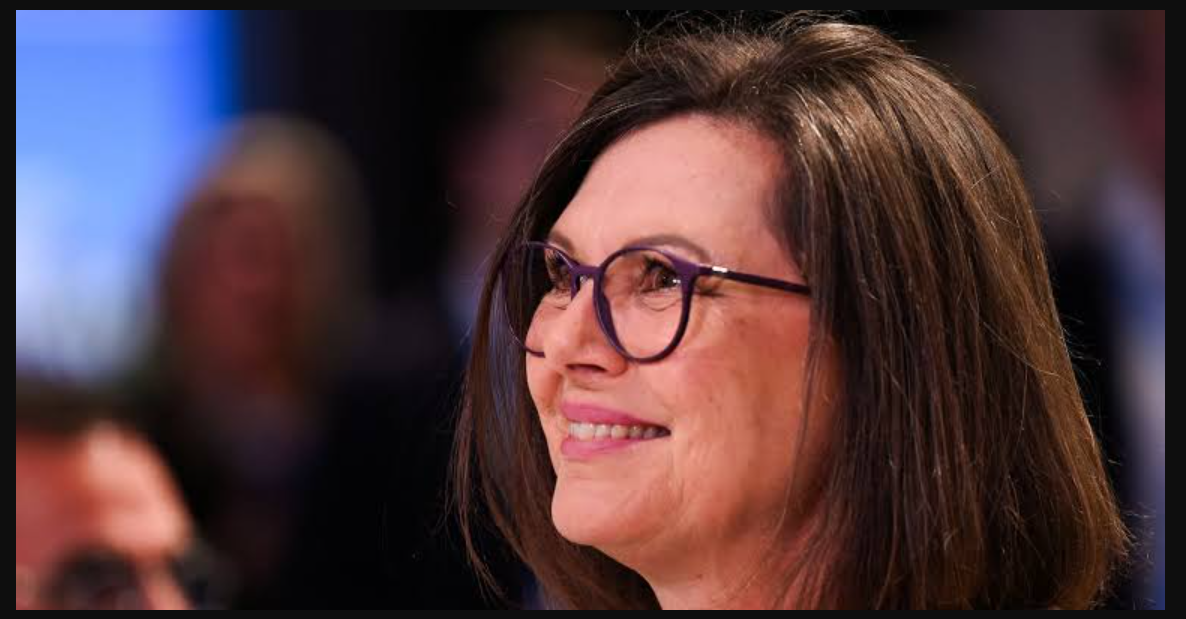

Germany could be approaching a historic political milestone with the possible appointment of its first female president. Chancellor Friedrich Merz has announced his intention to nominate Bavarian politician Ilse Aigner for the presidency in 2027.
The announcement came during a dinner attended by leaders of Merz’s centre-right Christian Democratic Union (CDU). It also confirmed earlier reports about Aigner’s expected nomination. If elected, the 61-year-old politician would become the first woman to hold Germany’s largely ceremonial presidency.
Her nomination has already attracted support across political circles. Moreover, her experience in regional and federal politics could strengthen her position ahead of the election.
Ilse Aigner’s Nomination and Germany’s Presidential Election
Aigner belongs to the Christian Social Union (CSU), the CDU’s sister party in Bavaria. She currently serves as president of Bavaria’s regional parliament.
Her nomination by Merz makes her election highly likely. Germany’s Federal Convention is scheduled to vote on January 30, 2027. Its members are drawn almost entirely from the country’s two parliamentary chambers and regional representatives.
If elected, Aigner would succeed outgoing President Frank-Walter Steinmeier. The Social Democrat has held the presidency since 2017. However, Germany’s constitution limits presidents to two five-year terms, which Steinmeier will complete in March 2027.
Under established political practice, coalition parties usually agree on a common presidential candidate. Although the president remains above party politics, the office represents the country’s moral conscience.
Germany’s current governing coalition includes the CDU, CSU and Social Democratic Party (SPD). Therefore, support from coalition partners could prove crucial to Aigner’s election.
Why Political Leaders Support Ilse Aigner
Aigner has received favourable reactions from politicians beyond her own party. Notably, the SPD has repeatedly expressed support for her potential presidency.
During Angela Merkel’s chancellorship, Aigner served as Germany’s agriculture minister. Her performance earned respect from politicians across party lines.
Dietmar Woidke, a regional SPD leader, described her as the “perfect candidate” for the position.
“She knows German politics like the back of her hand,” he said. “She’s accessible. She likes people, knows how to listen and people listen to her,” he added.
Her public profile also extends beyond parliamentary responsibilities. For instance, her appearances in traditional Bavarian clothing at beer festivals have strengthened her popularity in the region.
Furthermore, Aigner has earned recognition for her handling of the far-right Alternative for Germany (AfD) party in Bavaria’s regional parliament. Observers admire her ability to remain firm while maintaining courtesy during political disagreements.
Can Aigner Become a Unifying Figure in German Politics?
Aigner’s potential presidency comes amid growing political polarisation across Germany. The anti-migrant and pro-Russian AfD has recorded approximately 28 percent support in opinion polls.
Consequently, her supporters view her as a potential calming influence. They believe her political experience and approachable personality could help strengthen public confidence.
The largely ceremonial presidency does not involve direct government leadership. Nevertheless, the position carries considerable symbolic importance and provides a platform for national representation.
From Electronics Technician to Germany’s Presidential Contender
Ilse Aigner’s journey into politics began far from the country’s highest ceremonial office. She was born in Bavaria to parents who operated an electricity company.
During her youth, she faced a serious health challenge when doctors removed a tumour from her back. However, she recovered and continued her education.
After completing technical studies, Aigner worked as an electronics technician for a helicopter manufacturer. She eventually entered politics, beginning at the local level before moving into federal political responsibilities.
Her career later included serving as agriculture minister under Angela Merkel. Today, she leads Bavaria’s regional parliament and stands among the country’s prominent political figures.
If the January 2027 election proceeds as expected, Aigner will make history as Germany’s first female president. Her potential appointment would mark a significant milestone for women’s representation in the country’s highest constitutional office.
For the latest updates, visit and follow The Truth International website (www.thetruthinternational.com) and subscribe to the YouTube Channel.

