
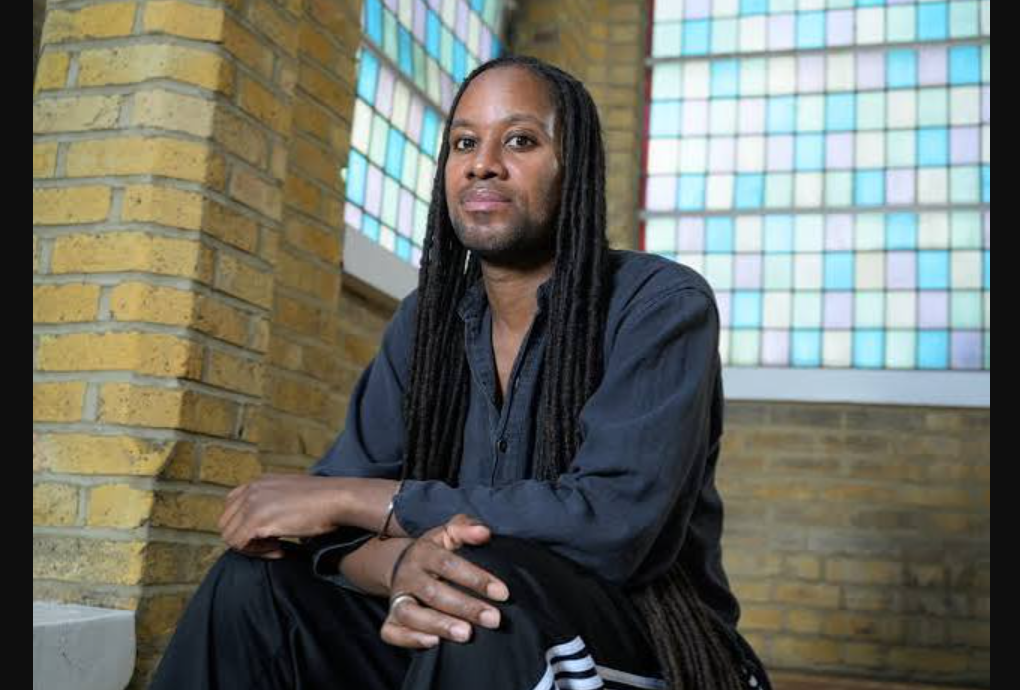

The death of former Cambridge professor Jason Arday has prompted calls for reflection over the events surrounding his final days. UK Prime Minister Andy Burnham urged people to avoid rushing to judgement following Arday’s death.
Arday, 41, was found dead on Friday. His death came nine days after he resigned from Cambridge University.
His resignation followed investigations into allegations involving his academic work and personal achievements.
Family Alleges Years of Abuse
Arday’s family said he had faced sustained abuse for more than three years.
In a statement, they said he had been “subjected to a campaign of sustained abuse for more than three years since he accepted the role of professor at Cambridge University”.
They added that the pressure “was too much for Jason, who was a gentle man and who always wanted to see the best in everyone”.
Arday had previously described himself as the target of a “racially motivated” campaign.
His death has therefore intensified debate about the treatment of academics facing public scrutiny.
UK Prime Minister Calls for Reflection
Speaking to reporters in southwest England, Burnham described the death as a tragedy.
He said it was “not a moment for any rushing to judgement”.
“It’s a tragedy on so many levels, but particularly just for everybody who knew Jason,” he said.
“It’s a moment for reflection… reflecting on how things came to this.”
Burnham’s comments came as questions continued to surround the circumstances leading up to Arday’s death.
Cambridge Professor Resigned Amid Allegations
The controversy surrounding Arday emerged last month after academics and media reports raised allegations about his doctoral thesis.
The allegations included claims that sections of his thesis had been plagiarised. Questions were also raised about some of his claims concerning his personal achievements.
The controversy also triggered accusations of racism and debate over diversity, equality and inclusion policies.
Arday resigned from Cambridge on August 5. In his resignation letter, he described the decision as “the only way” to end a “difficult period”.
However, he stressed that his resignation should not be “mistaken for an acceptance of the narratives that have surrounded me”.
Police Say Death Was Not Considered Suspicious
Arday was found unresponsive at an address in south London on Friday afternoon.
The Metropolitan Police said the death was being treated as unexpected. However, it was not believed to be suspicious.
Police are preparing a file for a coroner. The coroner will formally determine the cause of death through an inquest.
Cambridge Vice-Chancellor Deborah Prentice confirmed Arday’s death shortly afterwards. She said the university was “desperately saddened” by the “tragic news”.
In a message to Cambridge’s community, Prentice also said she hoped the period could become one of compassion.
Flowers and a card bearing Arday’s name were placed at Cambridge University gates on Saturday.
Remembrance vigils are also planned in London on Sunday and Monday evenings.
Colleagues Highlight Pressure He Faced
Simon Baron-Cohen, a Cambridge professor and director of the Autism Research Centre, said he spoke with Arday early Friday.
“He was being subjected to relentless scrutiny, including ridicule, discrediting absolutely every detail of his life,” Baron-Cohen said.
“He wasn’t coping with the loss of his career, the loss of his reputation, and he felt he couldn’t go on. He used those words in voice notes.”
Baron-Cohen also highlighted Arday’s vulnerability and the support he believed Arday needed.
He described him as “a vulnerable adult… (who) deserved safeguarding and support”.
Controversy Around Arday’s Academic Record
The scrutiny surrounding Arday intensified after Nathan Cofnas published allegations about his academic work in July.
Cofnas is a US academic who describes himself as a “race realist”. His Cambridge research affiliation ended in 2024 amid racism accusations.
His claims included allegations that multiple sections of Arday’s doctoral dissertation had been copied from other works.
Several British newspapers subsequently published investigations into Arday’s academic work and personal background.
Questions also emerged over some of his claims about his life. These included claims that he had completed 30 marathons in 35 days and raised millions for charities.
Arday Had Spoken About His Autism
Arday had been diagnosed with autism and had previously discussed his experiences with disability and learning differences.
He said he was non-verbal until age 11 and only learned to read and write at 18.
Despite those challenges, he became Cambridge’s professor of sociology of education at the age of 37.
In an interview earlier this month, Arday acknowledged academic “mistakes”. However, he said he was being wrongly “portrayed to be a liar and a fantasist”.
He also attributed some errors in his early academic work to his autism. He explained that he relied on mimicry to understand information.
Baron-Cohen noted that Arday had experienced language delay and learning differences during childhood.
He stressed that Arday was a vulnerable adult who deserved safeguarding and support.
The circumstances surrounding Arday’s death remain under review. Meanwhile, his death has prompted wider questions about public scrutiny, academic accountability and the treatment of vulnerable individuals.

