

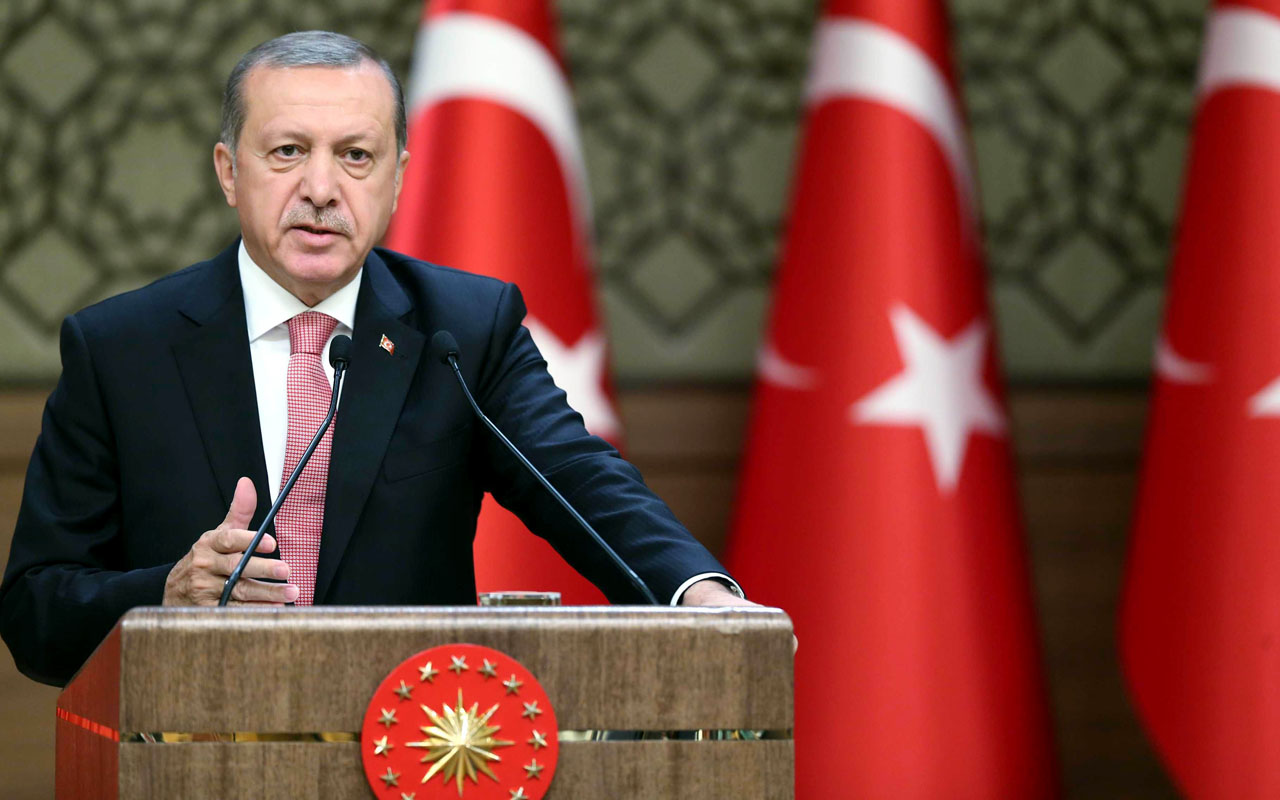

Turkish President Tayyip Erdogan today vowed to crush inflation and he immediately reduced value added tax to 1 percent (from 8 percent) on all essential consumer items.
From today (Feb 14), Turkey has reduced VAT on all dairy products, fruits, vegetables and other essential consumer items.
Turkey has also unveiled a new credit guarantee fund package and a new model to bring “under-the-mattress” gold into the economy.
President Recep Tayyip Erdoğan said the value-added tax (VAT) is being reduced to 1% from 8% on dairy products, fruit, vegetables and other basic food items.

“As part of simplifying the VAT system, we are reducing VAT,” Erdoğan said via videoconference during a Treasury and Finance Ministry press conference on new economic support packages in Istanbul today.
Additionally, Erdoğan also urged the companies to lower their prices by 7% from Monday to reflect the change in their products value. He said these foods play a significant part in inflation.
The government will also create a task force to inspect prices and a mobile app to help citizens find the cheapest goods, Treasury and Finance Minister Nureddin Nebati said at the event.
Official data for January showed consumer prices rose by 48.69% annually, a 20-year high. Food and non-alcoholic beverages inflation topped 55%. The government has pledged to act and vowed to safeguard households against soaring prices.
According to ARY TV report, Turkey’s central bank had brought down the key policy rate by 500 points since September to 14%, but paused the easing cycle in January.
The Turkish lira has been broadly stable since the start of the year following a 44% decline in 2021. The lira closed last week at 13.49 against the United States dollar. The record low in December was 18.36. The currency has been hovering around 13.5 since then after the government instituted a new financial tool to push savers away from buying foreign currencies and encourage them to convert their foreign currency holdings to liras with a scheme that safeguards deposits against currency fluctuations.
