

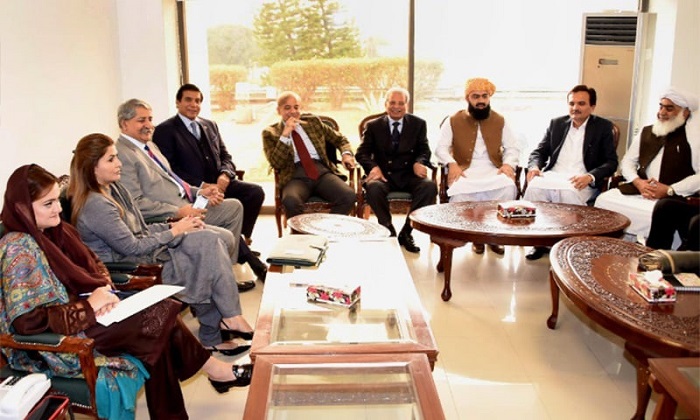

The politics in Pakistan is in a state of tumult. Each actor is shooting in the dark claiming some breakthroughs with the establishment to the point of alleged begging by the establishment for help to get rid of the incumbent government. It is claimed that the establishment has run out of steam and ideas to get out of troubled waters the present government has landed the country in. The chorus was started by former president Asif Ali Zardari and soon joined by others, especially PML(N), lest they lag behind in this war of establishing importance, with the circles they opposed so vociferously, in the eyes of the public as an alternative of the present setup. It seems opportunism and not the principles, if there is left any, rules the world of murky politics of Pakistan.
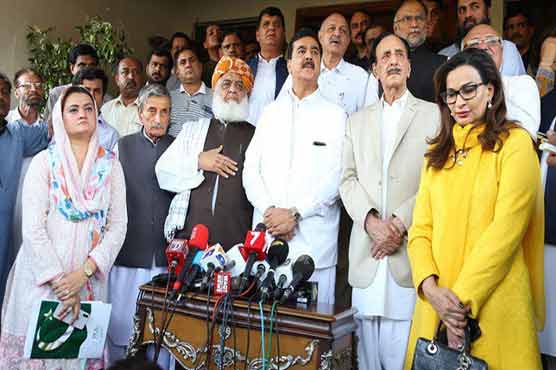
There are certain advantages of the adopted narrative. The rank and file of the parties is assured that difficult and uncertain times are over and it is now just upon us to decide when to wrap up the present set up and assume power as umpires are desperate to support the old and tested players. Secondly, it is a message to the general public that good days are coming back and rivers of honey and milk will be flowing again in a country that is so terribly dependent on foreign resources for running even its day-to-day affairs. Thirdly, it is a message to the establishment that we are feeling homesick so let’s talk about the arrangements that could bring back the old cosy golden days. Fourthly, if the immigration tribunal rejects the visa appeal, the ground is already laid down for returning to Pakistan for the sake of poor Pakistan and Pakistanis.
The other target is to put pressure on Tehreek-e-Insaaf and its government especially in the wake of its humiliating defeat in the first round of local bodies elections in Khyber Pukhtunkhwa. This defeat has been used as a launching pad to build this narrative and pressure. The defeat has been depicted as a precursor of supposedly lost rapport and support of establishment for the present setup and portrayed as the beginning of the end of the present government of Imran Khan.
The narrative would have fizzled out if the prime minister and his cabinet members have let it go without making it a big issue. Instead, Imran Khan’s statement that preparations are being made to bring back Nawaz Sharif and make him prime minister for the fourth time lent credence to the ongoing narrative and created the perception that something is in the offing. It also raises serious questions about who runs the country and how.
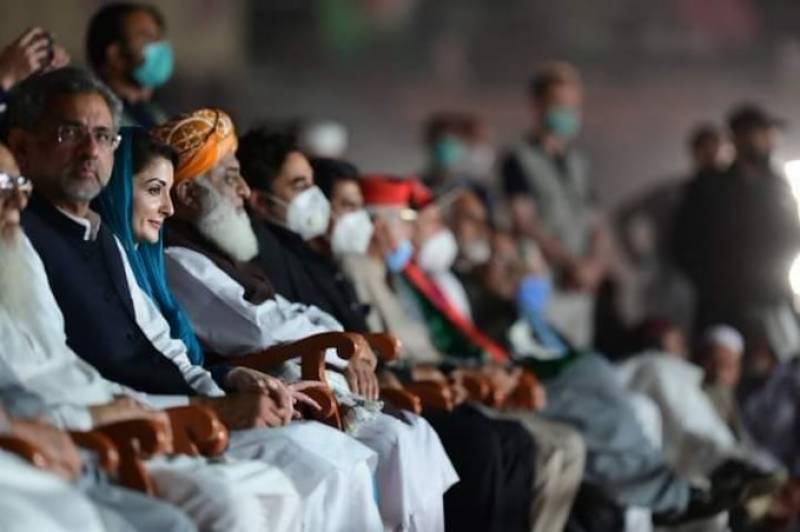
It has strategic value for the opposition to build and sustain such a scenario but why the government would lend its support to such a narrative is a bit strange unless PTI also want to toe the same path, in case it loses power, as other parties have tread in the event of meeting the same fate.
As for PML(N), it makes sense to create hype for the possible return of Mian Nawaz Sharif to control political damage in case the visa appeal fails; not for the reasons that it will end the legal channels but for showing desperation to stay and reluctance to go back to Pakistan by lengthening the legal route. Even if the Visa appeal fails there are a number of options available to lengthen the stay of Mian Nawaz Sharif. The most important thing PML(N) to asses is the political fallout of the desperate efforts to cling to London’s abode. The stay can be prolonged for a long time even without recourse to political asylum as not all options for appeals are exhausted. Even after availing all the appeal options, if the decision remains against grant of visa, still other avenues are available that can prolong the stay.
The problem for Mian Nawaz Sharif reflects in the Shakespearean dilemma. “To be or not to be”.
