

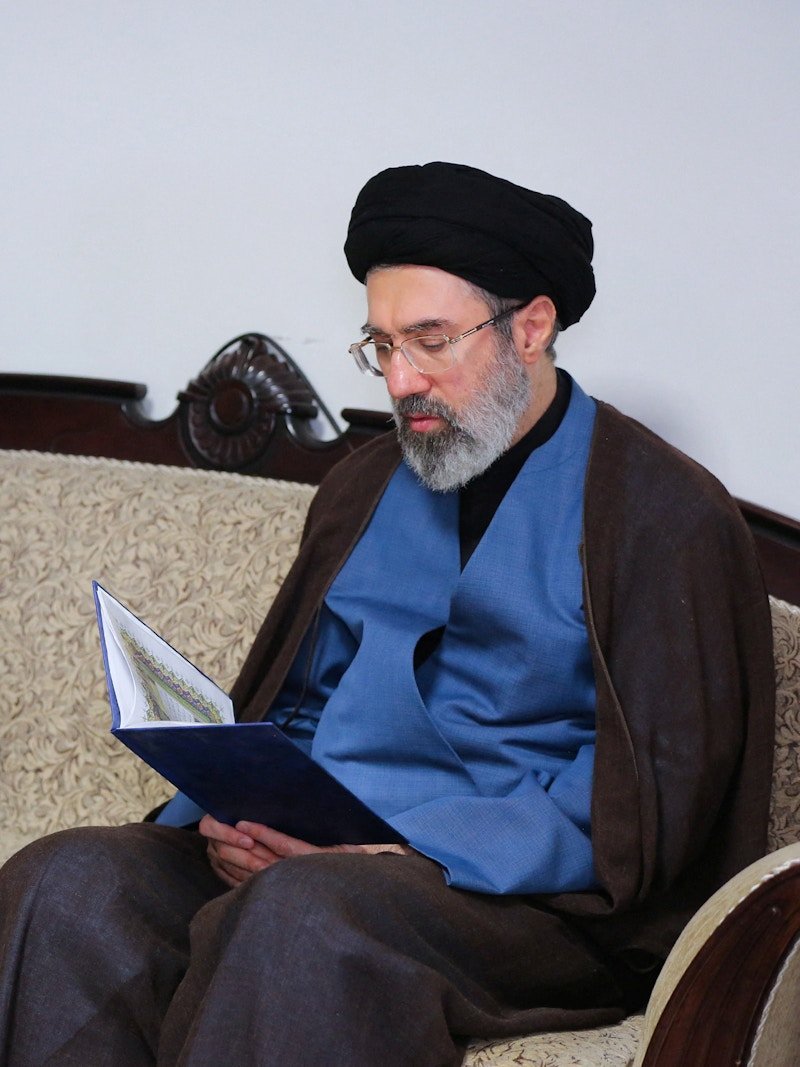

Influential Cleric Seen as Possible Successor
TEHRAN — Mojtaba Khamenei has emerged as one of the most influential figures within Iran’s clerical establishment following the recent U.S.-Israeli assault that targeted senior leadership figures, according to Iranian sources.
Sources say Mojtaba survived the attacks that reportedly killed his father and other top officials. As a result, attention has shifted toward his potential role in shaping the Islamic Republic’s political future. Analysts and insiders alike view him as a serious contender to succeed his father as Iran’s supreme leader.
Although he has avoided formal government posts, Mojtaba has built significant influence behind the scenes. Over the years, he has cultivated strong relationships within Iran’s religious and security institutions, positioning himself as a central power broker in Tehran.
Hardline Credentials and Revolutionary Guard Ties
Mojtaba studied in the religious seminaries of Qom under prominent conservative scholars. Consequently, he developed firm hardline views aligned with traditionalist factions within the Islamic Republic.
Moreover, he maintains close ties to the Islamic Revolutionary Guard Corps (IRGC), a powerful military and political force in Iran. Observers say these connections strengthen his standing among security elites, particularly during periods of instability.
Supporters describe him as deeply committed to preserving the ideological foundations of the Islamic Republic. However, critics argue that his rise could further consolidate hardline control over Iran’s political system.
As succession discussions intensify, Mojtaba’s influence within clerical, military, and political circles continues to draw scrutiny both domestically and internationally.
