

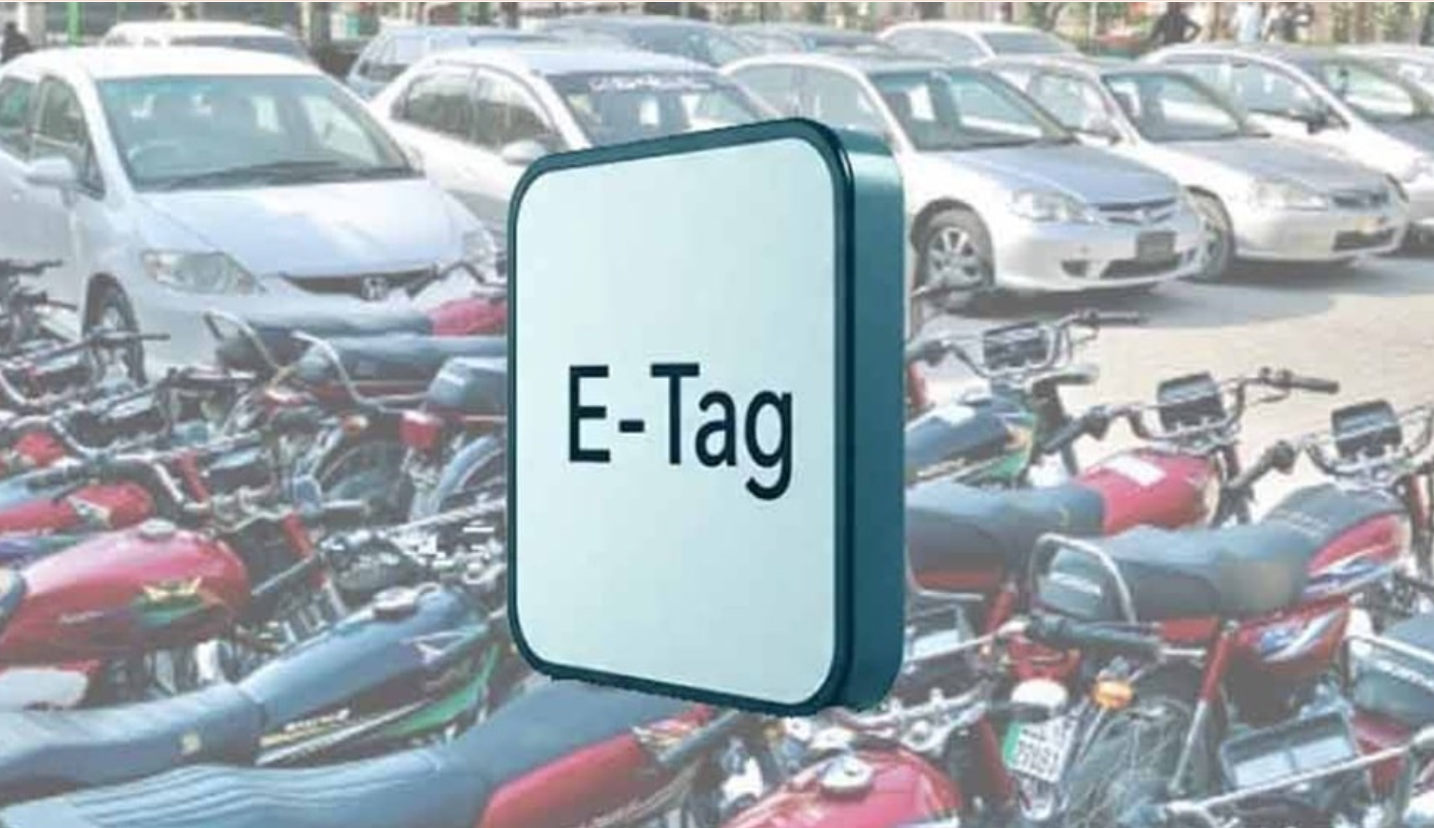

Punjab Chief Minister Maryam Nawaz Sharif has approved mandatory electronic tagging for all vehicles across the province. The decision covers cars, motorcycles, and other registered vehicles operating within Punjab.
Authorities finalized the proposal during a high-level law and order meeting focused on improving public safety. Officials believe electronic tagging will strengthen monitoring and enhance law enforcement response capabilities.
Moreover, the initiative forms part of a broader security strategy designed to modernize surveillance systems across the province.
Security Measures Expanded Across Punjab
During the meeting, the chief minister directed officials to prepare a comprehensive micro-security plan within seven days. This plan will outline coordinated strategies to address emerging security challenges.
In addition, authorities will introduce tighter monitoring at provincial entry and exit points. Movement through non-traditional routes will face stricter controls to prevent unauthorized access.
Searchlights will also be installed at key entry locations. Furthermore, drone surveillance systems will support monitoring operations in sensitive areas.
Officials were instructed to implement rooftop observation at check posts to improve situational awareness. At the same time, procurement of advanced drone defense systems will begin to counter potential aerial threats.
Punjab Cybercrime Investigation Unit Approved
The government also approved the establishment of a Punjab Cybercrime Investigation Unit. This specialized body will focus on tackling online crimes and digital threats.
A dedicated support cell will assist women and children affected by cyber harassment or exploitation. Additionally, district-level online crime centers will expand access to digital complaint mechanisms.
The chief minister authorized the appointment of a head for the newly formed unit. Authorities aim to strengthen investigative capacity while improving public trust in cybercrime reporting systems.
Enhanced Policing and Operational Preparedness
Security reforms will also include continued combing operations against criminals and suspected militants. Law enforcement agencies will maintain coordinated actions to ensure public safety.
Meanwhile, Riot Management Police will receive advanced training and modern equipment upgrades. Officials expect these improvements to enhance crowd management and emergency response effectiveness.
These steps reflect a shift toward proactive policing rather than reactive enforcement. Consequently, authorities hope to prevent incidents before they escalate.
Special Security Planning for Religious Events
The meeting also addressed preparations for upcoming religious observances. Security standard operating procedures for Youm-e-Ali will be finalized after consultations with religious scholars.
This collaborative approach aims to balance public safety with respect for religious gatherings. Officials intend to ensure peaceful observances through coordinated planning and community engagement.
What the New Measures Mean for Citizens
The introduction of mandatory vehicle e-tagging signals a major technological shift in Punjab’s security framework. Drivers may experience increased monitoring, yet authorities emphasize improved safety as the primary goal.
Furthermore, expanded cybercrime units and surveillance tools indicate growing attention toward digital and physical security threats.
Together, these initiatives reflect an effort to modernize governance through technology-driven solutions. As implementation begins, residents across Punjab will likely see visible changes in monitoring systems and policing practices.
Ultimately, the government aims to create a safer environment while strengthening law enforcement efficiency across the province.
