

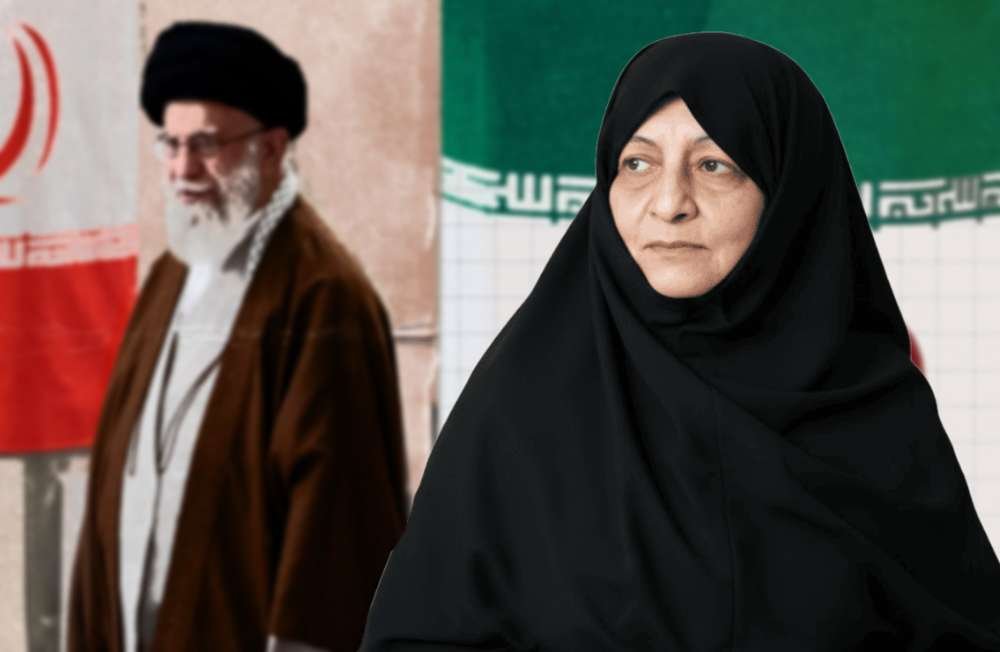

Iranian Media Confirm Death Following Coordinated Strikes
The wife of Iran’s Supreme Leader Ali Khamenei has died after sustaining critical injuries in recent US-Israeli airstrikes. Iranian state-affiliated media confirmed the development on Monday.
According to Tasnim News Agency, she had been severely wounded during the coordinated attack. She later succumbed to her injuries despite medical efforts. Officials did not release further medical details.
Iranian state media earlier reported that the 86-year-old Khamenei was killed in the same wave of strikes. The attacks were described as coordinated operations carried out by the United States and Israel.
The strikes marked a dramatic escalation in regional tensions. Iranian authorities labeled the attacks as acts of aggression. The developments have intensified uncertainty across the Middle East.
Several Family Members Reportedly Killed
The Fars News Agency reported that multiple members of Khamenei’s family were also killed. The report said his son, daughter, son-in-law, daughter-in-law and grandson were among the victims.
Iranian officials have not released complete casualty details. However, local media described the incident as one of the most significant blows to Iran’s leadership structure in decades.
Security has been tightened across major Iranian cities. Public mourning ceremonies are expected in the coming days. Authorities have vowed a response to the strikes.
The deaths have sent shockwaves through Iran’s political and religious establishment. Khamenei was the country’s highest authority. His leadership shaped Iran’s domestic and foreign policies for decades.
Legacy of a Powerful and Controversial Leader
Ali Khamenei led Iran since 1989. He served as the country’s most powerful political and religious figure. His tenure consolidated Iran’s clerical governance system.
Under his leadership, Iran expanded its regional influence. The country strengthened alliances across the Middle East. However, relations with the United States and Israel remained tense.
Iran’s nuclear program became a central global issue during his rule. Western nations repeatedly expressed concerns over uranium enrichment. Sanctions and diplomatic negotiations defined much of Iran’s international relations.
Khamenei’s leadership was marked by both internal control and external confrontation. Supporters credit him with preserving Iran’s ideological framework. Critics argue that tensions with Western powers intensified under his authority.
The reported death of his wife adds another layer of tragedy to the unfolding crisis. Iranian media coverage has emphasized the personal and national loss.
As regional tensions rise, global leaders are closely monitoring developments. The power transition in Iran remains uncertain. Analysts expect significant political shifts in the coming weeks.
The Middle East now faces heightened instability. Diplomatic efforts may intensify to prevent further escalation. Iran’s next steps could shape the region’s future security landscape.
