

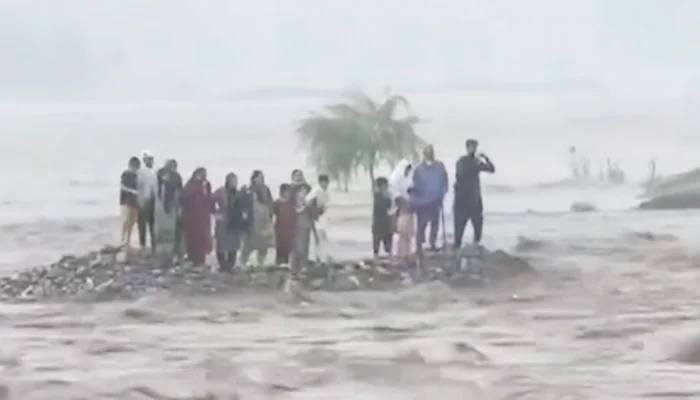

Swat Incident
Significant progress has been made in the investigation of the recent Swat incident, as authorities submitted a detailed 384-page report to the Peshawar High Court.
The extensive document, compiled by a joint team of officials including police, commissioners, and other administrative authorities, offers deep insights into the root causes of the tragedy, identifies key individuals responsible, and highlights major administrative lapses.
The court had earlier sought a comprehensive explanation concerning public safety, especially with respect to unsafe construction practices along riverbanks and the increasing risk of flooding during the monsoon season.
In response, a special investigative committee was formed, gathering testimonies and statements from nearly a dozen senior officials. These included the head of Swat police, the Director General of Rescue 1122, the Secretary of the Establishment Division, and various other representatives from local and provincial departments.
The submitted report is built upon evidence and input collected from multiple government institutions such as the police, Rescue 1122, Provincial Disaster Management Authority (PDMA), and the district administration.
It not only focuses on the actions taken (or not taken) by various authorities but also sheds light on the timeline of events, particularly the administrative response following the incident.
According to the report, although the Chief Minister of Khyber Pakhtunkhwa ordered a crackdown on riverbank encroachments just three days after the tragedy, there was no evidence of any meaningful or effective preventive measures taken prior to the incident. The report also confirmed that monsoon forecasts and Section 144 notifications were issued in advance but were poorly implemented on the ground.
While some evidence of public alert systems being activated was presented, the overall findings pointed to severe gaps in enforcement and preparedness.
Crucially, the report underlined systemic flaws, a lack of inter-departmental coordination, and an absence of a unified disaster management strategy as contributing factors to the scale of destruction.
The court was further informed that several officials from relevant departments have been summoned for individual inquiries. These proceedings aim to determine specific instances of negligence and to hold responsible parties accountable as part of the ongoing judicial review into the Swat disaster.
