


Abraham Accords
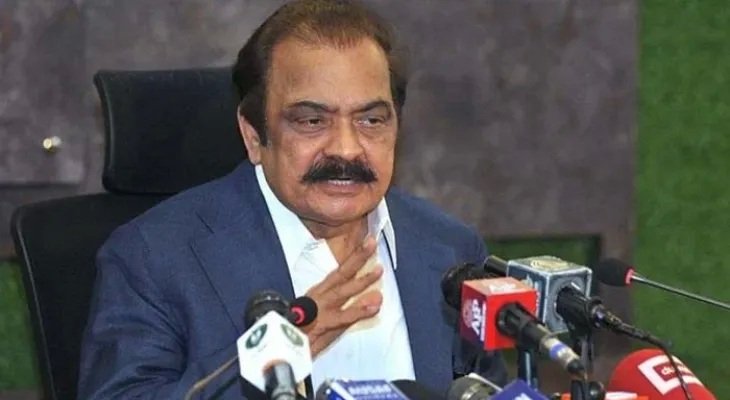
Adviser to the Prime Minister Rana Sanaullah has urged Pakistan to support the positions of Saudi Arabia and Türkiye regarding the Abraham Accords, emphasizing the need for the country to stand in solidarity with the broader Muslim world.
Speaking during a televised interview on Samaa TV’s prominent current affairs show Nadeem Malik Live, Sanaullah stated that Pakistan must align its foreign policy with key Muslim-majority nations on matters involving the Middle East, particularly the sensitive and ongoing issue of Palestine.
Reiterating his stance, Sanaullah highlighted that Pakistan should prioritize its historical and ideological ties with Arab nations and Türkiye, especially in times of heightened regional instability.
He further mentioned that Iran, despite some shifts in its geopolitical approach over the past month, still shares strategic interests with Arab countries, Türkiye, and Pakistan. This evolving regional dynamic, according to him, demands closer cooperation and unity among Muslim countries.
Turning his focus to the issue of Palestine, Rana Sanaullah delivered a strong humanitarian appeal. “Peace must prevail, and the bloodshed must come to an end,” he declared, lamenting the immense suffering and atrocities endured by the Palestinian people.
He emphasized that Pakistan’s foreign policy must reflect the collective conscience of the Muslim world, especially when it comes to longstanding issues like Israeli aggression and the question of Palestinian statehood.
On the domestic front, the adviser also addressed internal political developments. Commenting on speculation surrounding the leadership in Khyber Pakhtunkhwa (KP), he clarified that any decision regarding the potential removal of Chief Minister Ali Amin Gandapur rests solely with the leadership of Pakistan Tehreek-e-Insaf (PTI).
“If they choose to dissolve the KP Assembly, that’s entirely their prerogative,” Sanaullah noted, adding, “There is no threat to the assembly from our side.” He dismissed opposition rhetoric, saying, “These people are a threat to themselves.”
Meanwhile, in a separate interview on the same program earlier this week, Defence Minister Khawaja Asif weighed in on the Abraham Accords. When asked about the possibility of international pressure on Pakistan to normalize ties with Israel, Asif made it clear that Pakistan would prioritize its own national interests. “If there is pressure regarding the Abraham Accords, we will act in accordance with our interests,” he asserted.
He also stated unequivocally that Pakistan would not endorse or participate in any U.S.-backed policy that may be detrimental to the country’s strategic objectives.
Asif added that internal discussions and consultations are ongoing regarding this matter, but emphasized that any formal position would only be articulated once the issue is officially raised with Islamabad. “We will respond only when we are asked to become part of the accord,” he concluded.
Together, the statements by Rana Sanaullah and Khawaja Asif indicate a cautious but firm approach by Pakistan’s political leadership in navigating mounting international expectations while reaffirming the country’s commitment to regional unity and its principled stance on Palestine.
