
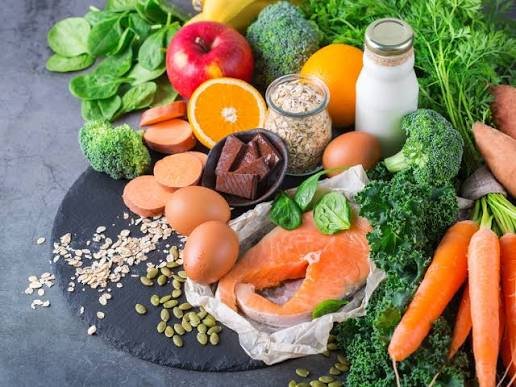

Calcium is widely recognised as an essential nutrient for maintaining strong bones and teeth. While dairy products are often considered the main dietary source, several fruits can also contribute to daily calcium intake.
Getting enough calcium throughout life is important because the body constantly breaks down and rebuilds bone tissue. Adequate calcium, along with vitamin D, protein, regular physical activity and other nutrients, can support healthy bones and may help reduce the risk of bone loss over time.
For people who do not consume much dairy, calcium-containing fruits can be a useful addition to a balanced diet.
1. Oranges
Oranges can contribute calcium while also providing vitamin C, an antioxidant important for overall health.
Some calcium-fortified orange juices can provide considerably more calcium than fresh oranges. However, consumers should check nutrition labels because calcium content varies between products.
Choosing whole oranges also provides dietary fibre, making them a nutritious option for a balanced diet.
2. Figs
Figs are among the fruits that naturally contain calcium.
Both fresh and dried figs can contribute to calcium intake. Dried figs are particularly concentrated because removing water increases the amount of nutrients per serving.
However, dried fruit also contains more concentrated natural sugars and calories, so portion size remains important.
Figs can be eaten as a snack or added to oatmeal, yoghurt and salads.
3. Blackberries
Blackberries provide a combination of calcium, fibre and antioxidants.
They can easily be incorporated into breakfast meals, smoothies or snacks.
While berries are not among the richest sources of calcium compared with dairy products, regularly including a variety of nutrient-rich fruits can help contribute to overall mineral intake.
4. Raspberries
Raspberries provide calcium along with dietary fibre and several beneficial plant compounds.
Their fibre content can also help support digestive health.
Adding raspberries to yoghurt, oatmeal or a fruit bowl can provide a simple way to increase overall fruit intake while contributing a small amount of calcium.
5. Guava
Guava is another fruit that provides calcium and is particularly well known for its high vitamin C content.
Vitamin C is involved in collagen production, and collagen forms an important structural component of bones.
Eating fresh guava as part of a balanced diet can therefore provide several nutrients relevant to overall skeletal health.
6. Blackcurrants
Blackcurrants contain calcium along with vitamin C and other antioxidant compounds.
Their strong flavour makes them suitable for smoothies, yoghurt, fruit salads and other dishes.
Although no single fruit can provide all the nutrients needed for strong bones, combining different fruits with calcium-rich foods can make a diet more nutritionally diverse.
7. Mulberries
Mulberries contain small amounts of calcium and also provide fibre and antioxidant compounds.
Fresh mulberries can be eaten on their own or added to cereals, yoghurt and smoothies.
Dried mulberries are more concentrated, so they should be consumed in reasonable portions.
8. Papaya
Papaya provides calcium in addition to vitamin C, antioxidants and other nutrients.
Its soft texture makes it easy to add to breakfast meals or fruit salads.
Papaya can be especially useful as part of a varied diet that includes other calcium sources such as dairy products, fortified foods, legumes, nuts and seeds.
9. Prunes
Prunes, or dried plums, provide calcium as well as other nutrients.
They are also notable because research has explored the potential relationship between prune consumption and bone health, particularly among postmenopausal women.
However, prunes should not be viewed as a replacement for medical treatment or a balanced diet. Their natural sugar and calorie content also means portion control is important.
Why Calcium Matters for Bone Health
Bones are living tissue. They continually undergo a process known as bone remodelling, in which old bone is broken down and replaced with new bone.
Calcium is stored extensively in bones and plays an important structural role. If dietary calcium intake is consistently inadequate, the body can draw calcium from bones to help maintain normal blood calcium levels.
Over time, inadequate nutrition can contribute to weaker bones, particularly when combined with other risk factors.
Bone health also depends on more than calcium alone.
Vitamin D helps the body absorb calcium. Adequate protein supports bone and muscle health, while weight-bearing exercise and resistance training can help maintain bone strength.
Every Bit of Calcium Can Count
Fruits should not be considered a substitute for major calcium sources such as milk, yoghurt, cheese or calcium-fortified alternatives when those foods are appropriate for an individual’s diet.
Instead, calcium-containing fruits can complement other dietary sources.
A varied diet that includes fruits, vegetables, dairy or fortified alternatives, legumes, nuts, seeds and other nutrient-rich foods can make it easier to meet nutritional requirements.
For people at increased risk of osteoporosis or bone loss, dietary needs can vary significantly. A doctor or registered dietitian can provide personalised advice, particularly for older adults and people with conditions that affect nutrient absorption.
Ultimately, every bit of calcium can contribute to the bigger picture of maintaining healthy bones, but long-term bone health depends on an overall balanced diet and healthy lifestyle rather than any single food.

