

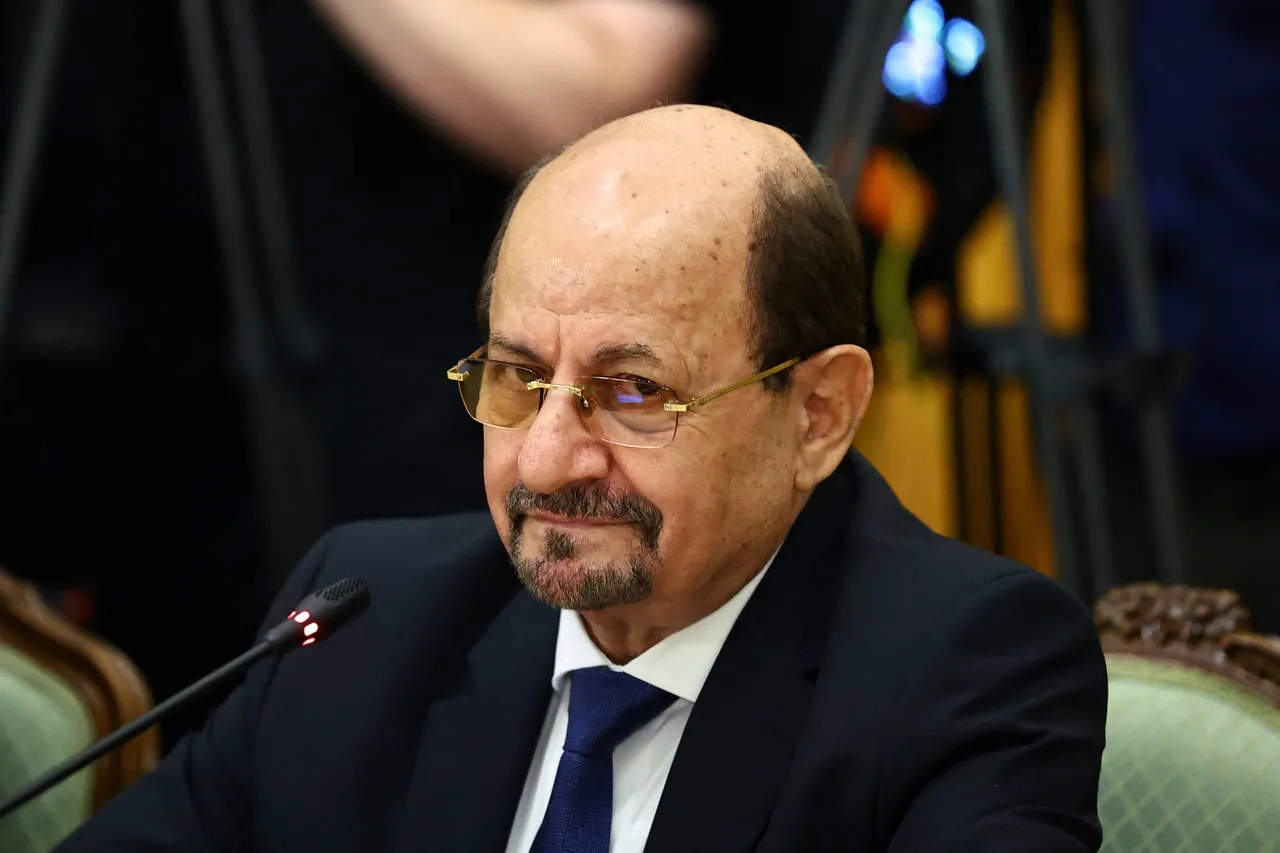

Yemen’s newly formed government took the oath on Monday before Presidential Leadership Council Chairman Rashad al Alimi. The government took the oath in the Saudi capital, Riyadh. It marked a fresh political phase for the conflict-torn country. Three women ministers were also included in the new government.
Prime Minister Shaya al Zindani and all cabinet members attended the ceremony and pledged to uphold the constitution and serve national interests. The swearing-in followed the presidential council’s announcement on Friday, confirming the formation of a new cabinet after extended consultations held in Riyadh.
Zindani will lead the government while also retaining the foreign affairs portfolio. The cabinet consists of 34 ministers, reflecting continuity and limited change within Yemen’s political structure. Several figures from the previous government retained their positions, including Information Minister Moammar al Eryani and Interior Minister Ibrahim Haidan.
In addition, Nayef al Bakri will continue as youth and sports minister, while Salem al Soqatri remains responsible for agriculture, irrigation and fisheries. Other returning ministers include Tawfiq al Sharjabi for water and environment, Mohammed al Ashwal for industry and trade, Qassem Buhaibeh for public health, and Badr al Aradha for justice.
Women receive key roles amid international focus
Meanwhile, the new cabinet includes three women, addressing criticism over their absence in the previous government. Afrah Abdulaziz al Zouba was appointed minister of planning and international cooperation, becoming the first woman in Yemen’s history to hold the post.
Furthermore, Judge Ishraq Fadl al Maqtari assumed the role of legal affairs minister, while Ahd Mohammed Salem Jaasous was named minister of state for women’s affairs. Their appointments followed sustained domestic and international calls to strengthen women’s political participation.
Earlier, on January 28, the US Embassy in Yemen publicly expressed hope for a new government that included women. Zindani’s appointment on January 16 came after the presidential council accepted the resignation of former prime minister Salem Saleh bin Breik.
