
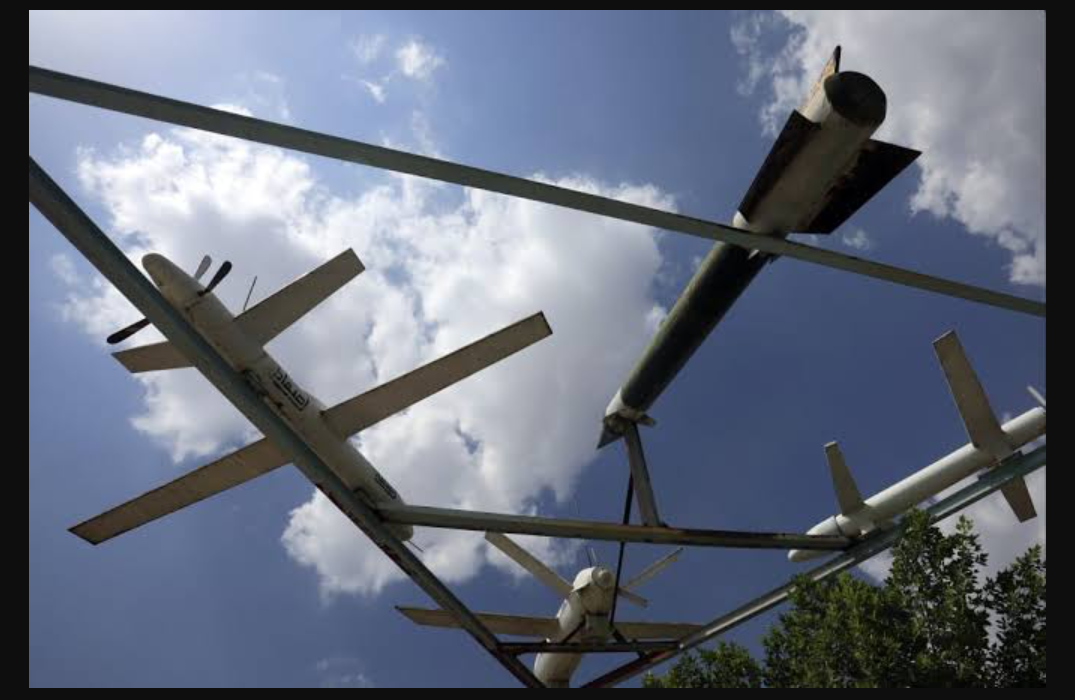

The Yemeni government has approached Beijing over allegations that the Iran-backed Houthis are seeking Chinese-made technology to manufacture weapons, Foreign Minister Afrah al-Zouba said on Wednesday. The development comes as Yemen’s prolonged civil war intensifies, raising fresh concerns about the group’s weapons capabilities and supply networks.
“The Chinese are partners and we have discussed with them about, you know, the use of dual products,” Zouba said in response to a question about reports that the Houthis were attempting to acquire Chinese components for weapons production.
“They were very keen for any sort of information so they can investigate it. Their support to the Yemeni government is clear,” she added.
Zouba made the remarks during a virtual press conference with journalists about the conflict in Yemen. Saudi Arabia, a key supporter of the internationally recognised Yemeni government, has also been drawn into the conflict.
Report Raises Questions About Houthi Missile Production
The Yemeni government’s concerns follow a recent report by Conflict Armament Research (CAR), which alleged that the Houthis were attempting to manufacture advanced medium-range ballistic missiles.
According to the report, the group may be expanding its procurement networks beyond supply channels linked to Iran. Investigators reportedly found purpose-built missile components alongside shipping documents identifying a Chinese supplier.
These findings have raised questions about whether the Houthis are seeking additional sources for components used in advanced weapons systems. However, the allegations have not been independently verified, and the reported Chinese connection remains unconfirmed.
The available information does not establish whether the Chinese supplier knowingly supported Houthi weapons production. Instead, the findings have prompted further scrutiny of the group’s alleged procurement activities and the possible use of commercially available technology.
China Asked to Investigate Alleged Technology Transfers
Zouba’s remarks indicate that the Yemeni government has raised the issue directly with Chinese officials. She described China as a partner and said Beijing had shown interest in receiving information that could help investigate the allegations.
The issue centres partly on dual-use products, which can serve both civilian and military purposes. Such technology can have legitimate commercial applications, although certain components may also be adapted for weapons production.
Consequently, determining the intended use of the reported components remains important to understanding the allegations. Further investigation would be needed to establish how the materials were obtained and whether they were intended for military manufacturing.
Houthi Attacks Intensify as Yemen’s Conflict Escalates
The allegations have emerged amid renewed fighting following the collapse of a truce in July. The Houthis have used drones, ballistic missiles and cruise missiles against Yemeni government forces and infrastructure in neighbouring Saudi Arabia.
The group has claimed responsibility for striking facilities belonging to Saudi oil giant Aramco overnight. Recent attacks targeting Riyadh airport have also killed at least 18 people since October 7, according to the reported figures.
Meanwhile, Houthi attacks have targeted oil tankers in the Red Sea. The waterway has become particularly significant for Saudi Arabia as an alternative export route following the closure of the Strait of Hormuz during the wider Middle East conflict.
These developments have added pressure to an already volatile regional security situation. They have also increased attention on the Houthis’ weapons stockpiles, procurement networks and ability to sustain attacks.
Saudi Arabia’s Role Adds to Regional Stakes
Saudi Arabia has supported Yemen’s government militarily through a coalition fighting the Houthis since 2015. The conflict has devastated the impoverished country and created a severe humanitarian crisis.
China’s economic relationship with Saudi Arabia adds another dimension to the latest developments. Beijing has long ranked among the largest buyers of Saudi crude oil, giving it significant commercial interests in the region.
However, the allegations concerning Chinese-made components remain unverified. The Yemeni government’s discussions with Beijing, alongside the findings cited in the recent report, have brought renewed attention to the potential role of international supply chains in the conflict.
As fighting continues, further investigation may help clarify whether Chinese-origin components have entered Houthi weapons programmes and how the group has sought to expand its access to military technology.
For the latest updates, visit and follow The Truth International website (www.thetruthinternational.com) and subscribe to the YouTube Channel.

