

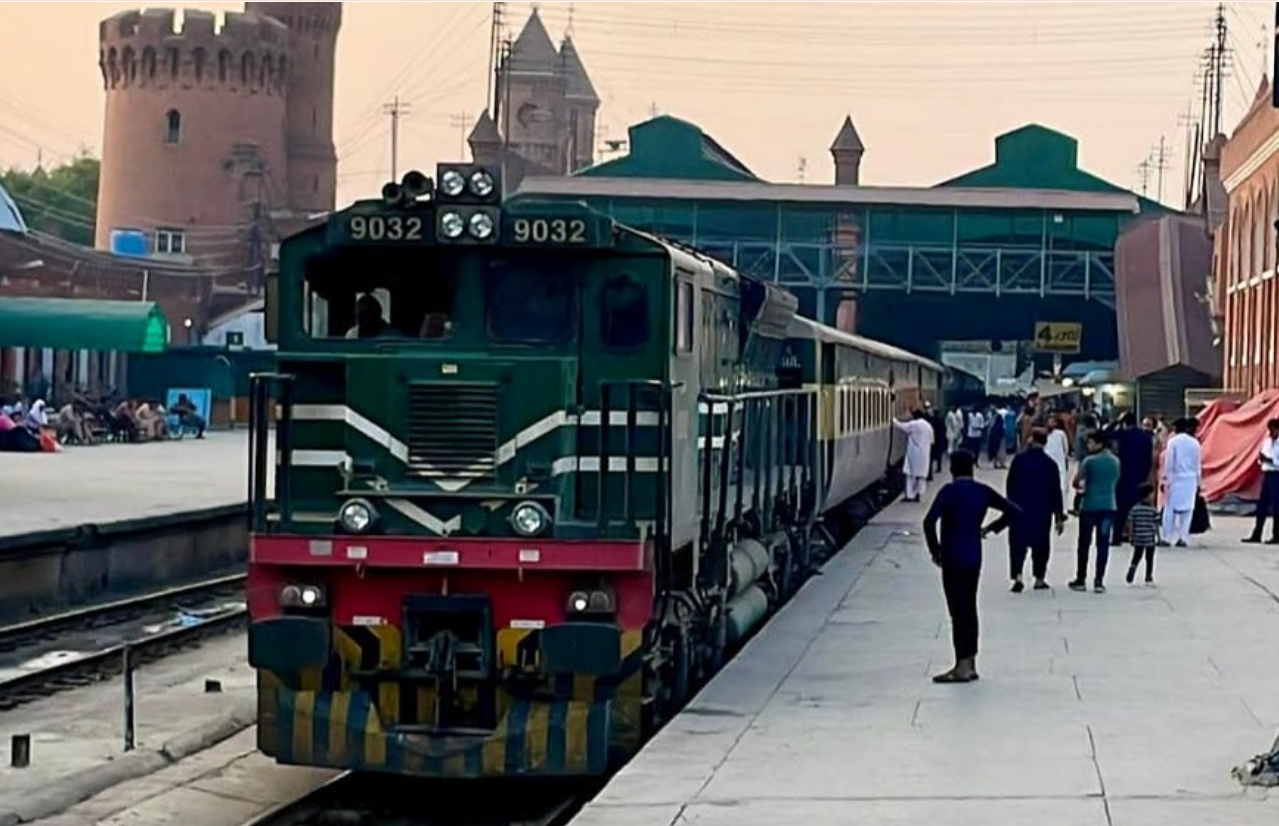

The National Assembly Standing Committee on Parliamentary Affairs has urged Pakistan Railways to develop a sustainable pension relief model for its retired employees. The committee stressed that the framework must protect pensioners’ rights while ensuring long-term financial stability. Members emphasized that all beneficiaries covered under the Prime Minister’s assistance package must remain fully protected.
The meeting was chaired by a senior parliamentarian, where officials reviewed the growing financial strain caused by rising pension obligations. Lawmakers highlighted that pension reforms cannot compromise welfare but must address fiscal realities. Therefore, they called for a balanced and durable solution.
During the briefing, the finance member of Pakistan Railways informed the committee that the department is the only government institution paying pensions entirely from its own resources. This structure places exceptional pressure on its finances. As a result, pension expenses continue to grow without external fiscal support.
Officials explained that pension liabilities have increased rapidly in recent years. These costs include commutation payments, leave encashment, benevolent fund disbursements, and claims under the Prime Minister’s assistance package. Meanwhile, operational revenues have not grown at the same pace. Consequently, pension expenditures now exceed earnings generated from railway operations.
The briefing also revealed that Pakistan Railways does not operate a dedicated pension fund. Without such a mechanism, the organization relies on annual income to meet long-term obligations. This imbalance has created severe budgetary stress and reduced financial flexibility. Moreover, it limits the department’s ability to invest in infrastructure, safety, and service improvements.
Committee members expressed concern that the current model is unsustainable. They warned that without immediate reforms, financial pressure could worsen. At the same time, lawmakers made it clear that pensioners’ entitlements must remain non-negotiable. Therefore, they urged the department to explore innovative funding solutions.
Members emphasized the need for structural reforms that separate pension liabilities from operational budgets. Such steps, they noted, could stabilize finances while preserving pension security. Additionally, they stressed that delay would further restrict Pakistan Railways’ capacity to modernize.
In conclusion, the committee underscored that pension reform is no longer optional. Pakistan Railways must adopt a sustainable pension framework to restore financial balance. Addressing this challenge is essential for safeguarding retirees while ensuring the long-term viability of national rail operations.
