
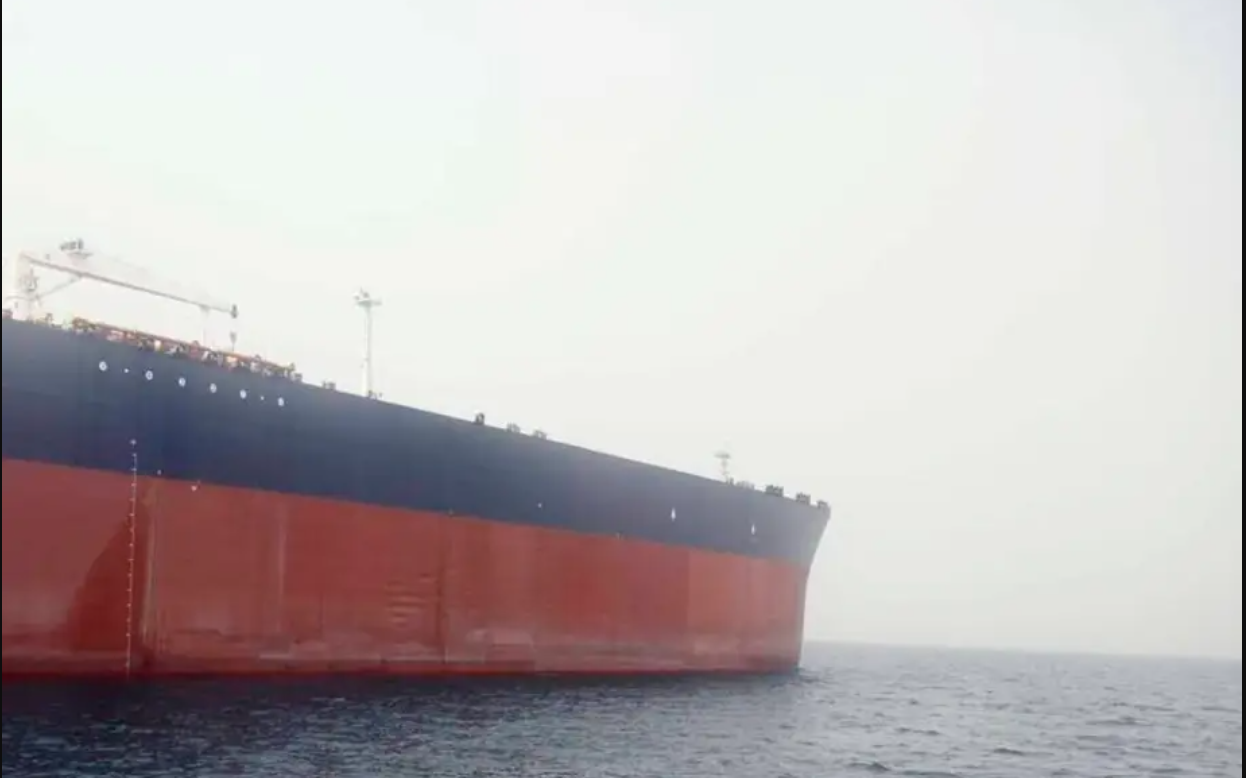

Global oil shipping costs have climbed sharply as the Gulf war disrupts tanker operations and reduces vessel availability. Aframax tankers travelling from the Middle East to the Far East now command rates of up to $280,000 per day. Before the conflict, daily rates generally ranged between $20,000 and $50,000 from 2022 to 2025.
The surge has increased the cost of transporting crude oil worldwide, adding pressure to energy supply chains. An Aframax tanker is a medium-sized vessel with a deadweight capacity of 80,000 to 120,000 metric tonnes.
Crude Oil Shipping Costs Rise Above $20 Per Barrel
Global average crude freight rates have risen above $20 per barrel, compared with around $3 a year ago. This increase reflects growing risks, longer journeys and mounting difficulties in arranging tanker movements.
Goldman Sachs analysts, including Daan Struyven, identified several factors behind the sharp rise in shipping costs. Initially, freight rates climbed in the very large crude carrier (VLCC) segment, particularly on Middle Eastern routes. However, the increase has since spread across major crude trading routes, especially those involving longer voyages.
“While most traded crude benchmarks do not directly include transportation costs in their prices (i.e., are priced on a Free-on-Board basis), high freight rates may reduce refiners’ overall demand for crude and/or skew it towards more closely located crude suppliers,” the analysts said.
Consequently, refiners may reconsider where they purchase oil, particularly when transportation costs make distant suppliers less attractive.
Five Factors Driving the Freight Rate Surge
Goldman Sachs analysts identified five major factors contributing to the year-on-year increase of approximately $20 per barrel in the 14-day moving average of global crude freight rates.
“Focusing on freight fundamentals, we identify five drivers of the $20 per barrel year over year surge in the average global crude freight rate (14DMA) that will likely continue to support global freight rates as long as the conflict on the Middle East persists,” the analysts said in the report.
The factors include:
- War risks around the Strait of Hormuz: The additional risk premium accounts for approximately $7 per barrel, or one-third of the increase.
- Ship-to-ship transfers: Transfers outside the Persian Gulf keep tankers occupied for longer, adding around $4 per barrel.
- Higher maritime fuel prices: Rising fuel costs contribute another $4 per barrel.
- Inefficient tanker allocation and redirections: Disrupted vessel movements account for approximately $3 per barrel.
- Restrictions affecting Iran’s fleet: The blockage of the Iranian fleet increases demand for non-sanctioned crude tankers, contributing around $2 per barrel.
Together, these pressures have made crude transportation more expensive and complicated. Analysts expect elevated freight rates to persist while the conflict continues to disrupt shipping.
US-to-Asia Oil Shipments Become Increasingly Expensive
The conflict has also made long-distance oil transportation less efficient, reducing available vessels and pushing freight costs to extraordinary levels. As a result, shipping crude from the US Gulf Coast to Asia has become far less attractive.
Earlier in October, the cost of transporting crude oil from the US Gulf Coast to China climbed as high as $80 million. That figure was roughly ten times the average tanker rates maintained for years before the Iran war.
Although freight rates have eased from their early-October peaks, shipping oil from the United States to Asia remained expensive. This week, transporting crude on a supertanker reportedly cost around $60 million.
These costs have discouraged Asian refiners from ordering substantial volumes of US crude for November delivery. If shipping disruptions continue, buyers may increasingly favour suppliers located closer to their refineries.
The latest surge highlights how conflict-related risks can reshape global oil trade, even when crude prices do not directly reflect transportation expenses. For refiners, tanker availability and freight charges have become increasingly important factors when deciding where to source supplies.
SEO Keyphrase: Oil tanker freight rates
Meta Description:
Category: Business
Tags: Oil Prices, Global Oil Trade, Gulf War
For the latest updates, visit and follow The Truth International website (www.thetruthinternational.com) and subscribe to the YouTube Channel.