
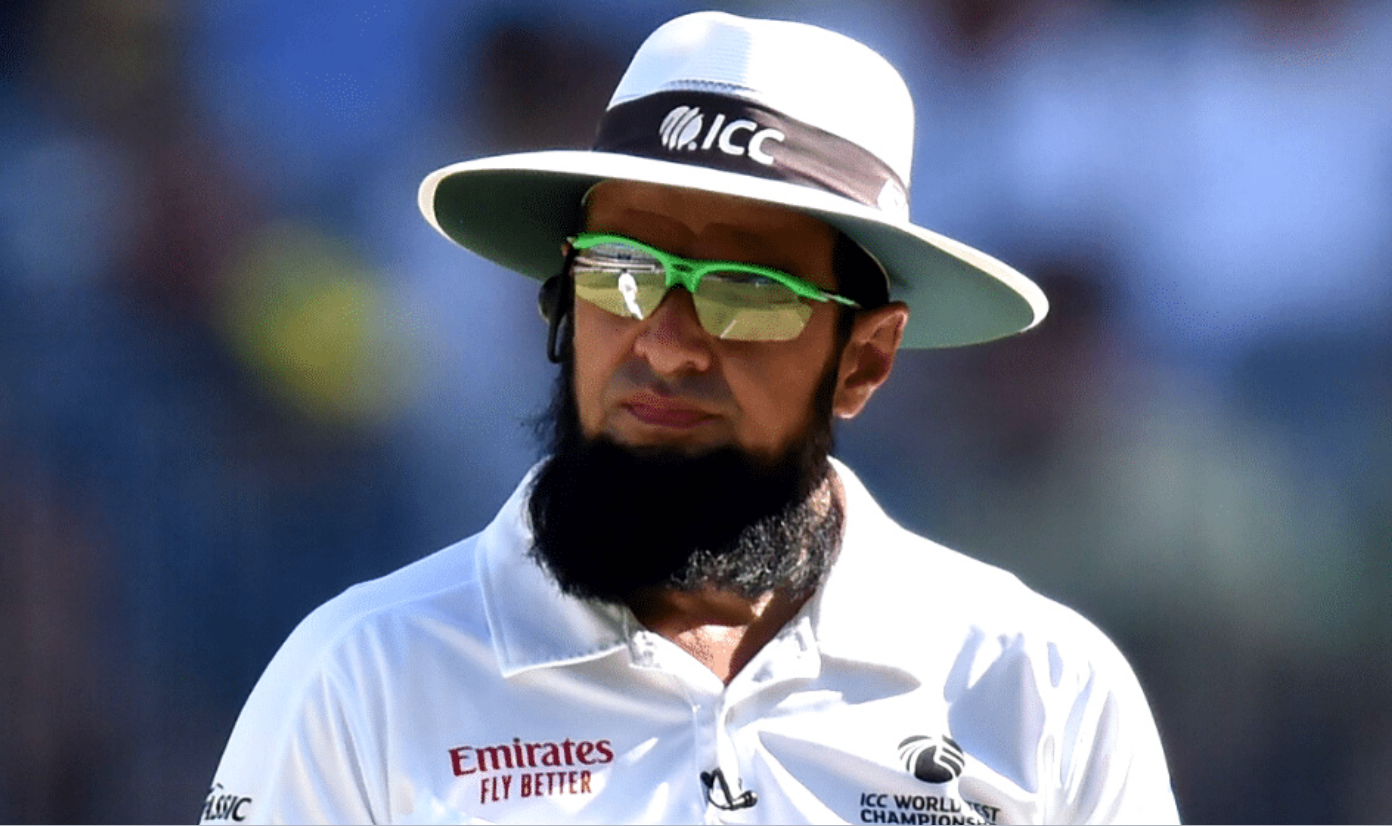

Aleem Dar has resigned from the Pakistan Cricket Board (PCB) selection committee after Pakistan’s early exit from the ICC T20 World Cup.
The national team failed to progress beyond the Super Four stage, which triggered internal discussions about team management and selection authority.
His resignation reflects growing tensions within the selection structure. Moreover, it highlights deeper concerns about decision-making power inside Pakistan cricket.
According to insiders, Dar stepped down after disagreements over how final squad decisions were handled during the tournament.
Selection Authority Becomes Central Issue
Sources indicate that Dar felt selectors lacked meaningful authority despite their responsibility to identify top players.
Selectors reportedly shortlisted the best 20 players available nationwide. However, the final squad choices rested largely with team management.
Dar believed the captain and head coach finalized combinations that differed from selectors’ recommendations. Consequently, selectors faced public criticism without controlling outcomes.
This imbalance created frustration within the committee. Therefore, Dar chose to step away rather than continue in a limited role.
Internal Differences Among Selection Members
Reports suggest differing reactions among senior members during internal discussions. Misbah-ul-Haq reportedly remained quiet throughout key conversations. Meanwhile, Aaqib Javed supported decisions taken by head coach Mike Hesson.
Dar allegedly viewed this dynamic as weakening collective decision-making. As a result, he felt selectors could not effectively influence squad strategy.
He reportedly expressed concern that accountability fell on selectors, even when others made final calls.
Disagreements Over Player Selections
During the T20 World Cup selection phase, Dar raised objections regarding certain squad inclusions. He questioned the selection of former captain Babar Azam and all-rounder Shadab Khan due to inconsistent performances.
Additionally, Dar reportedly disagreed with appointing Salman Ali Agha as captain. In his opinion, Agha did not justify automatic selection as skipper.
These disagreements reflected broader debates about performance standards and leadership decisions within the team structure.
Views on Team Combination and Playing XI
Dar also suggested adjustments to the playing XI during the tournament. He proposed including experienced wicketkeeper Mohammad Rizwan at number six instead of Usman Khan.
According to sources, Dar argued that experienced players deserved opportunities if underperforming players retained their places. Therefore, he pushed for consistency in selection criteria.
However, these suggestions reportedly did not influence final decisions.
A Personal Decision Rooted in Principle
People close to Dar say he values the respect cricket has given him throughout his career. For that reason, he preferred resignation over remaining in a position without real influence.
He reportedly described continuing under such circumstances as feeling like a “puppet.” Consequently, stepping down became the only acceptable option for him.
His departure signals dissatisfaction within Pakistan cricket’s administrative framework. At the same time, it raises questions about future selection policies.
What This Means for Pakistan Cricket
Dar’s resignation arrives at a sensitive moment for Pakistan cricket. The team now faces pressure to reassess both performance and governance structures.
Furthermore, discussions about clear roles between selectors and coaching staff may intensify. Transparent decision-making could help restore confidence among fans and stakeholders.
While PCB has yet to outline the next steps publicly, the episode highlights the need for clarity in authority lines.
Ultimately, Dar’s exit reflects more than one resignation. Instead, it exposes ongoing challenges in balancing leadership, accountability, and performance expectations within Pakistan cricket.

