
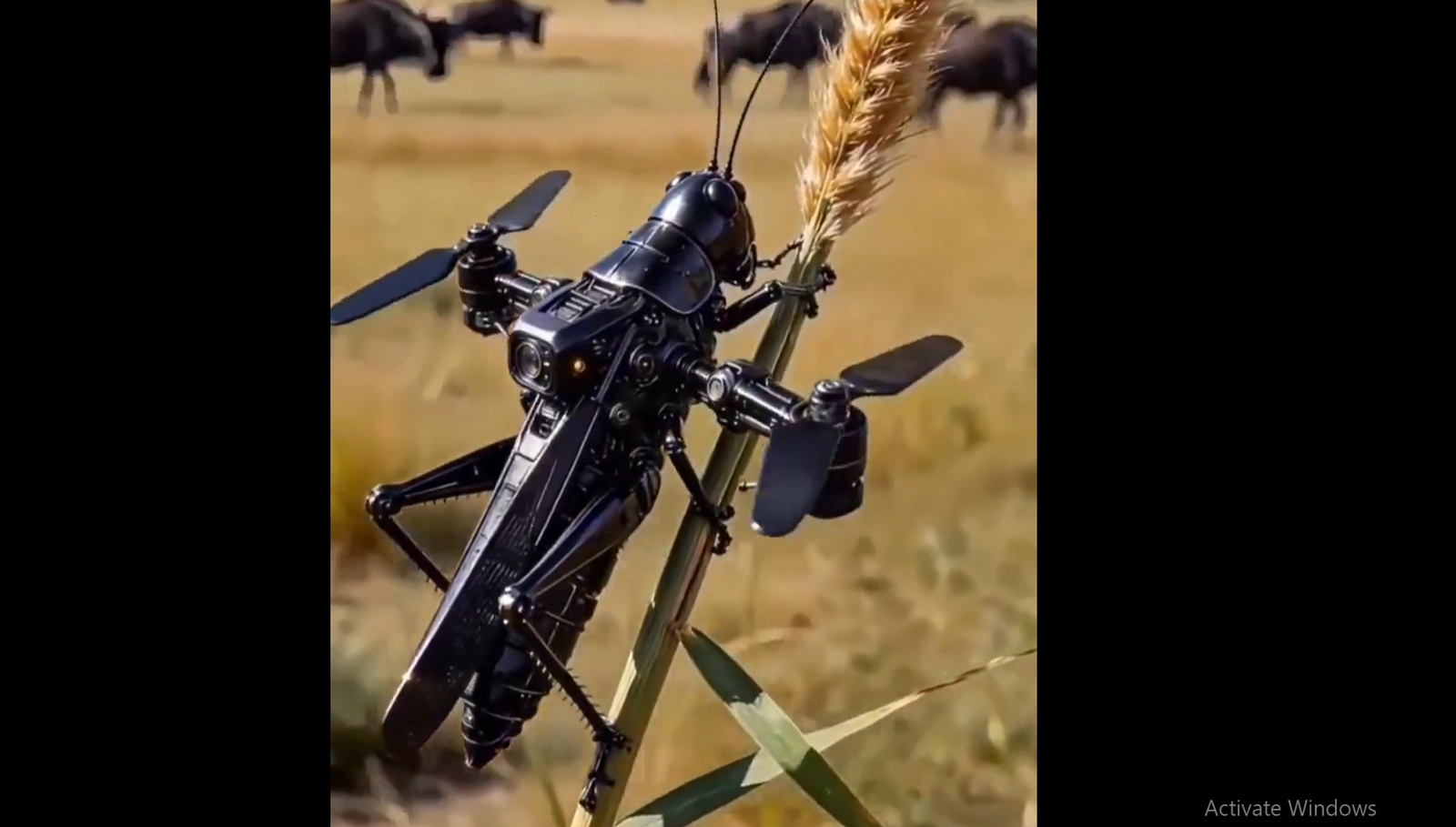

Drone technology has rapidly evolved in recent years, introducing advanced systems designed for surveillance, reconnaissance, and security operations. New-generation drones now offer improved cameras, longer flight times, artificial intelligence features, and advanced navigation capabilities.
These innovations are changing how governments, organizations, and security agencies monitor large areas. Modern drones can collect real-time information while reducing risks for human operators.
New Drones for Surveillance and Reconnaissance Missions! What Kind of Inventions Are Being Made…? pic.twitter.com/QrFy0lhaEi
— China Times (@ChinaTimesX) July 19, 2026
Advanced Features in Modern Surveillance Drones
The latest surveillance drones are equipped with high-resolution cameras, thermal imaging sensors, and night-vision technology. These features allow operators to monitor areas during different weather conditions and low-light environments.
Furthermore, many drones now use artificial intelligence to analyze images and identify unusual activities. AI-powered systems can help detect patterns, track movements, and provide faster information for decision-making.
Some advanced models also include automatic flight systems. These features allow drones to follow planned routes, avoid obstacles, and return safely without constant manual control.
Role of Drones in Reconnaissance Missions
Reconnaissance drones play an important role in collecting information from difficult or dangerous locations. They can monitor remote areas, support emergency responses, and assist security teams during critical situations.
In addition, drones are increasingly used for border monitoring, disaster management, and environmental research. Their ability to access challenging locations makes them valuable tools for various operations.
New drone designs focus on improving efficiency and reliability. Engineers are developing lighter materials, stronger batteries, and quieter motors to enhance performance.
Future of Drone Innovation
The future of drone technology is expected to bring even more advanced developments. Researchers are exploring autonomous drones that can make independent decisions using artificial intelligence.
Moreover, improvements in battery technology may allow drones to stay airborne for longer periods. Better communication systems will also help operators control drones from greater distances.
However, the rapid growth of surveillance drones has increased discussions about privacy, safety, and responsible use. Experts believe proper regulations are necessary to ensure these technologies benefit society.
As innovation continues, surveillance and reconnaissance drones will likely become more powerful, efficient, and widely used. These inventions represent a major shift in modern monitoring technology and could reshape many industries in the coming years.

