
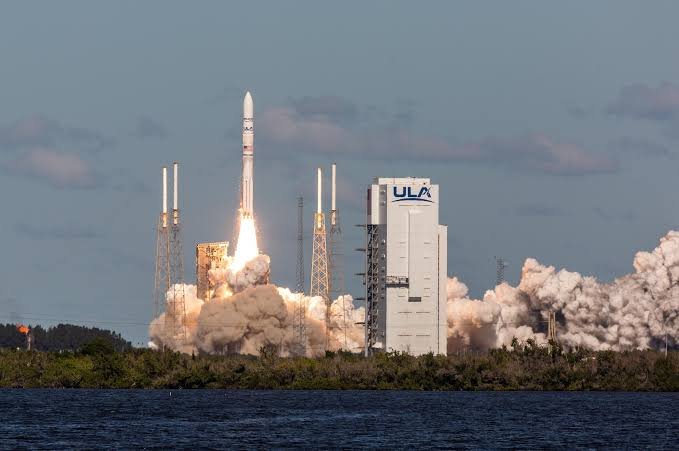

A United Launch Alliance (ULA) Vulcan rocket failed shortly after launching from Florida on Sunday, destroying all 40 Amazon Leo internet satellites aboard. The incident marked the first complete mission failure in the company’s history and dealt a significant blow to Amazon’s satellite internet ambitions.
The rocket experienced a technical anomaly approximately 10 minutes after liftoff from Cape Canaveral Space Force Station. Consequently, it failed to deliver its payload into orbit, leaving all 40 satellites lost.
ULA, a joint venture between Boeing and Lockheed Martin, confirmed the failure in an official statement. However, the company said it had not received enough flight data to determine the exact cause of the incident.
Technical Failure Raises Concerns Over Rocket Reliability
The failed mission was the fifth flight of Vulcan since its debut in 2024 and its first launch in nine months. Previous delays followed separate technical investigations involving its solid rocket boosters and BE-4 engines.
The BE-4 engines are supplied by Blue Origin, the space company founded by Amazon founder Jeff Bezos. Although investigators are examining the latest failure, it remains unclear whether the engines contributed to the incident.
Furthermore, the failure could trigger an extensive technical investigation and potentially ground Vulcan for several months. The US Space Force has also been awaiting further assessments before clearing the rocket for national security missions.
Amazon acknowledged the risks associated with space launches and expressed confidence that ULA would learn from the incident. The company also reaffirmed its commitment to working with the launch provider.
Amazon’s Satellite Internet Plans Face Fresh Setback
The lost satellites were intended for Amazon Leo, the company’s planned satellite internet network designed to compete with SpaceX’s Starlink. The service aims to provide broadband connectivity through a large constellation of satellites orbiting Earth.
Before Sunday’s incident, Amazon had deployed 398 satellites through 14 launches since 2025. However, the company ultimately needs 3,236 satellites to achieve its planned global coverage.
The latest failure adds pressure to Amazon’s deployment schedule, particularly as other launch providers have also experienced technical problems and delays. Meanwhile, SpaceX maintains a significant advantage through its established Starlink network and ability to launch satellites using its own rockets.
Amazon had hoped to begin initial internet services this year. Nevertheless, the loss of another 40 satellites could complicate its expansion plans and delay efforts to challenge established competitors.
For the latest updates, visit and follow The Truth International website (www.thetruthinternational.com) and subscribe to the YouTube Channel.

