


The Vatican is set to host a series of events in Rome next week specifically involving the LGBTQ community, including a Mass, prayer vigils, and a pilgrimage to St. Peter’s Basilica. These events, while intended to promote dialogue and inclusion, have sparked significant debate among Christians regarding the Church’s stance on biblical teachings.
Critics are questioning whether these actions signal a shift toward cultural affirmation of lifestyles the Bible identifies as sinful, raising concerns about the potential implications for the global perception of Christianity.
On September 5, the Vatican will host an international meeting titled “Listening to the Experiences of LGBTQ Catholics,” organized by the U.S.-based Outreach organization founded by Jesuit Father James Martin. According to the official announcement, LGBTQ Catholics from multiple countries will share their experiences, providing a platform for dialogue and understanding. Later that evening, a prayer vigil will be held at Rome’s Church of the Gesù, involving LGBTQ Christians, their families, and other participants.
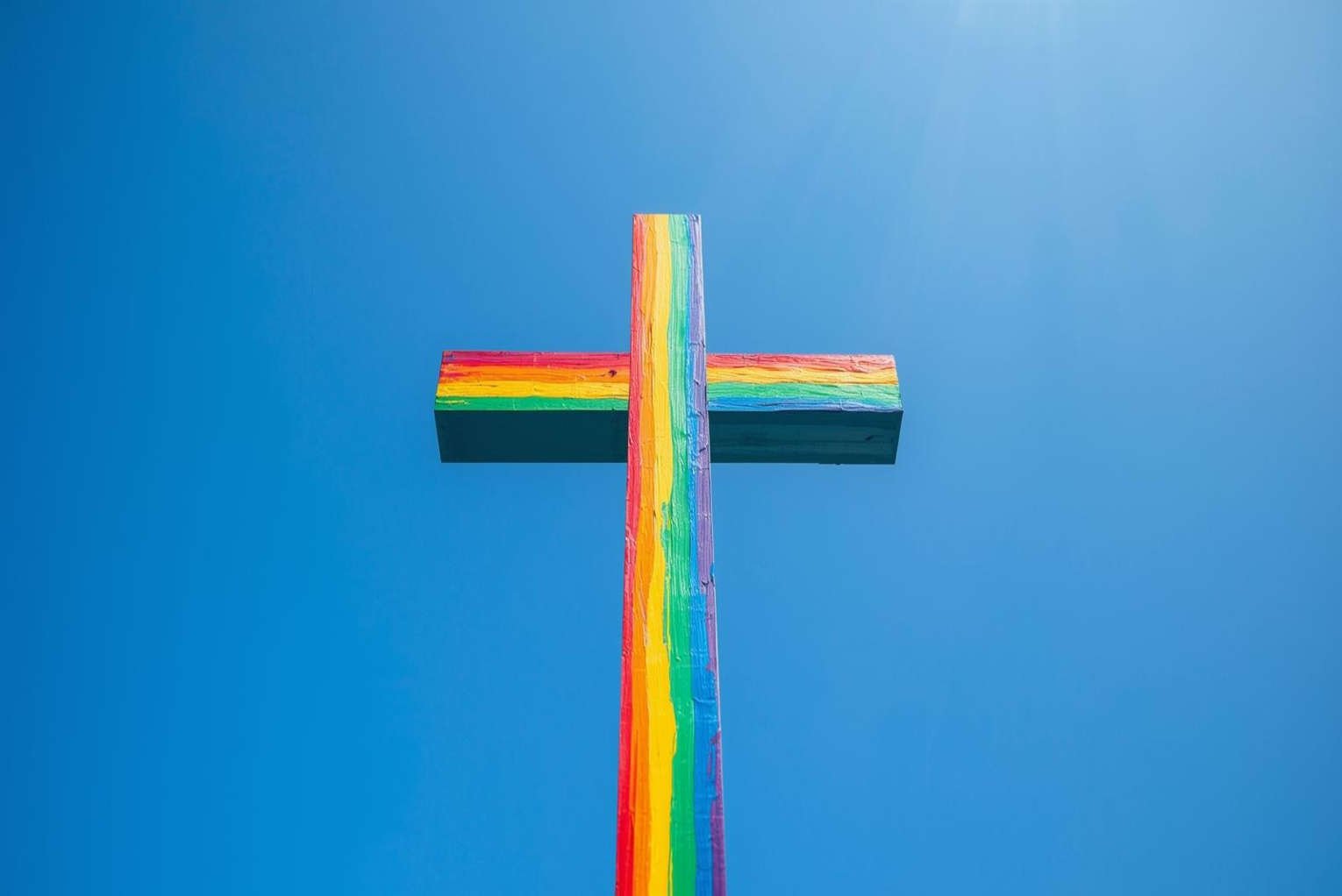
During the vigil, a rainbow crucifix—brought to Rome by LGBTQ pilgrims and their parents—will be presented. Critics argue that fusing the image of Christ’s cross with a rainbow symbol represents a distortion of the sacred and could be viewed as promoting lifestyles deemed sinful in Scripture (Lev. 18:22; Rom. 1:26–27).
On September 6, Bishop Francesco Savino, Vice President of the Italian Episcopal Conference, will preside over a Mass at the same church. Following the Mass, participants will take part in a Jubilee Pilgrimage to the Holy Door at St. Peter’s Basilica, culminating in the Angelus prayer with the Pope in St. Peter’s Square.
While Pope Francis had previously emphasized that all people, including LGBTQ individuals, are children of God and should not be excluded from the Church, critics emphasize that showing compassion does not equate to affirming lifestyles contrary to biblical teachings.
Observers note that this Vatican initiative reflects a broader trend seen in mainline Protestant denominations, where cultural approval often takes precedence over adherence to Scripture. The apostle Paul warned of a future “falling away” in which people would reject sound doctrine in favor of teachers who affirm their desires (2 Tim. 4:3; 2 Thess. 2:3). Critics believe the upcoming events in Rome exemplify this trend, potentially influencing millions worldwide in their understanding of Christianity.
Christian leaders and believers are encouraged to pray for discernment, spiritual revival, and courage among church leaders to remain faithful to biblical truth. The call is for repentance, a return to Scripture, and the faithful proclamation of the gospel of Jesus Christ—a message of love, forgiveness, and transformation, even amid cultural pressures and global scrutiny.
