
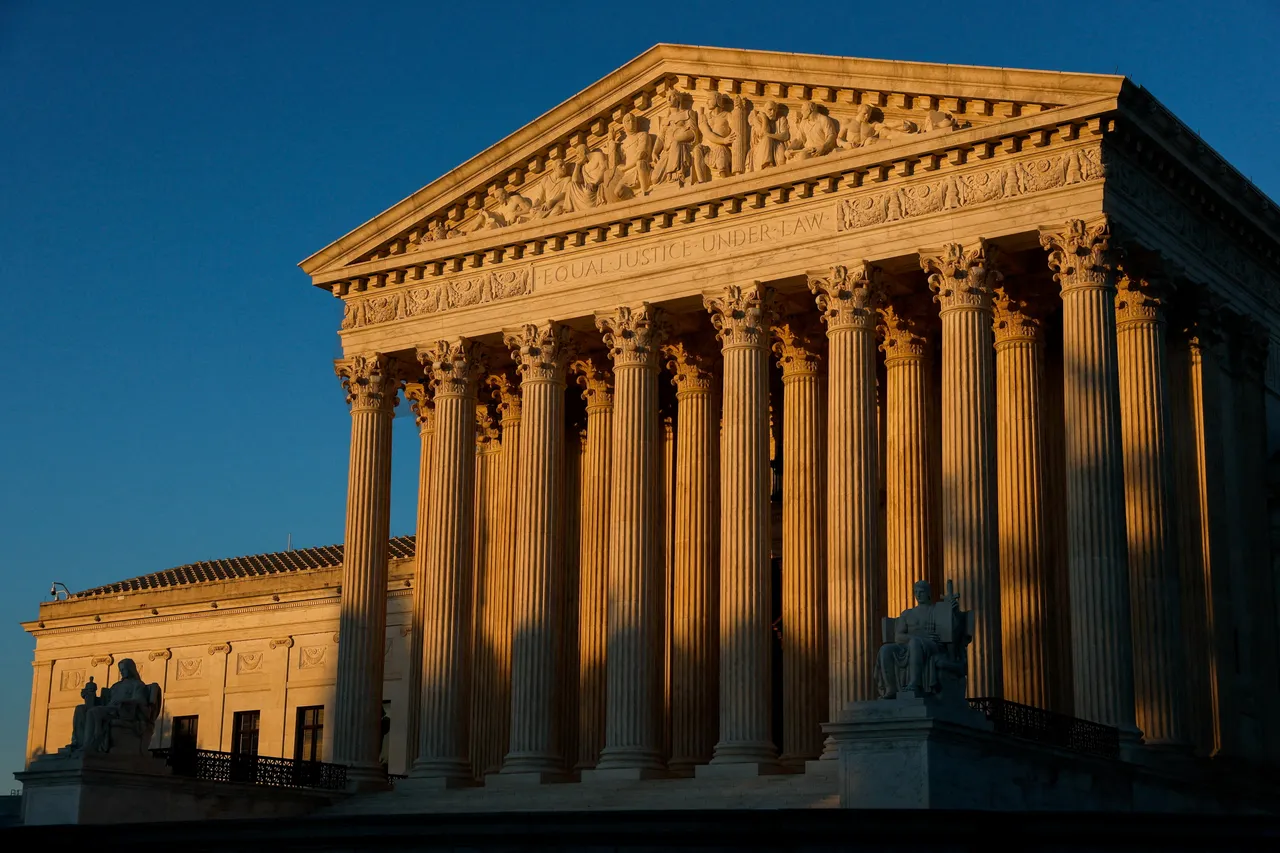

WASHINGTON: The US Supreme Court has rejected the Trump administration’s attempt to enforce new restrictions on mail-in voting before November’s midterm elections, leaving a lower-court injunction in place.
The decision prevents the US Postal Service from implementing key requirements stemming from President Donald Trump’s March executive order as states begin distributing mail ballots.
Under the proposed rules, states would have provided voter information to the federal government and used envelopes meeting new USPS standards. The system could also have rejected ballots that failed to satisfy those requirements.
Court Says Government Unlikely to Win Challenge
Federal District Judge Indira Talwani previously blocked the restrictions, citing serious legal and practical concerns about changing election procedures shortly before voting.
The administration subsequently sought Supreme Court intervention. However, in an unsigned order, the justices said the government was unlikely to succeed on the merits of its challenge to Talwani’s injunction.
Justices Samuel Alito and Clarence Thomas dissented, while Justice Brett Kavanaugh supported preventing implementation before the midterms. Nevertheless, Kavanaugh indicated he could potentially support the administration’s position in a future case.
States Can Continue Existing Mail-Ballot Procedures
Consequently, states can continue using their existing systems for distributing and processing mailed ballots during the November elections.
Election officials had warned that introducing nationwide requirements at this stage could create confusion and affect legitimate voters.
The Trump administration argues tighter controls would strengthen election security and prevent abuse. Trump has repeatedly questioned mail voting and alleged widespread election fraud, although evidence has not substantiated claims of widespread fraud.
The ruling represents a significant setback for the administration before elections that will determine control of Congress. However, it does not resolve the broader legal dispute or prevent future attempts to reshape federal election rules.

