
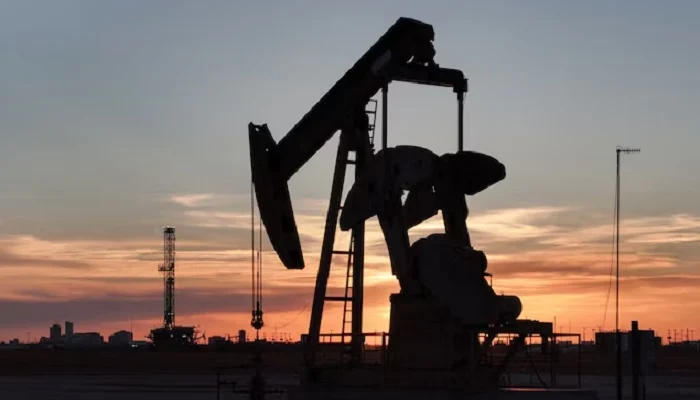

The United States Strategic Petroleum Reserve (SPR) has fallen to its lowest level in more than four decades, according to government data.
Energy Information Administration figures showed the reserve held 284.6 million barrels for the week ending September 18, down from 285 million barrels the previous week and 406 million barrels a year earlier. Department of Energy data later showed stocks declining further to 283.8 million barrels, the lowest level since October 1982.
The SPR has reached new multi-decade lows twice this year. In August, holdings dropped below 300 million barrels and fell beneath levels recorded in 1983.
The decline largely follows President Donald Trump’s decision in March to release 172 million barrels as part of a wider international effort involving 32 International Energy Agency members.
The administration has pledged to replenish around 200 million barrels within a year without imposing costs on taxpayers.
Federal law establishes an operational floor of 252.4 million barrels. However, energy analysts generally consider 250 million to 300 million barrels necessary for efficient oil withdrawal and processing.
Analysts have warned that continued releases could eventually undermine their intended effect by increasing concerns about limited emergency supplies.
Around 133 million barrels of the released oil involve swaps with Shell, Vitol and Trafigura. Under the agreements, the companies are expected to return 1.25 barrels for every barrel received, with repayments scheduled to begin early next year.
For the latest updates, visit and follow The Truth International website (www.thetruthinternational.com) and subscribe/follow the TTI YouTube Channel, Instagram, and Facebook

