
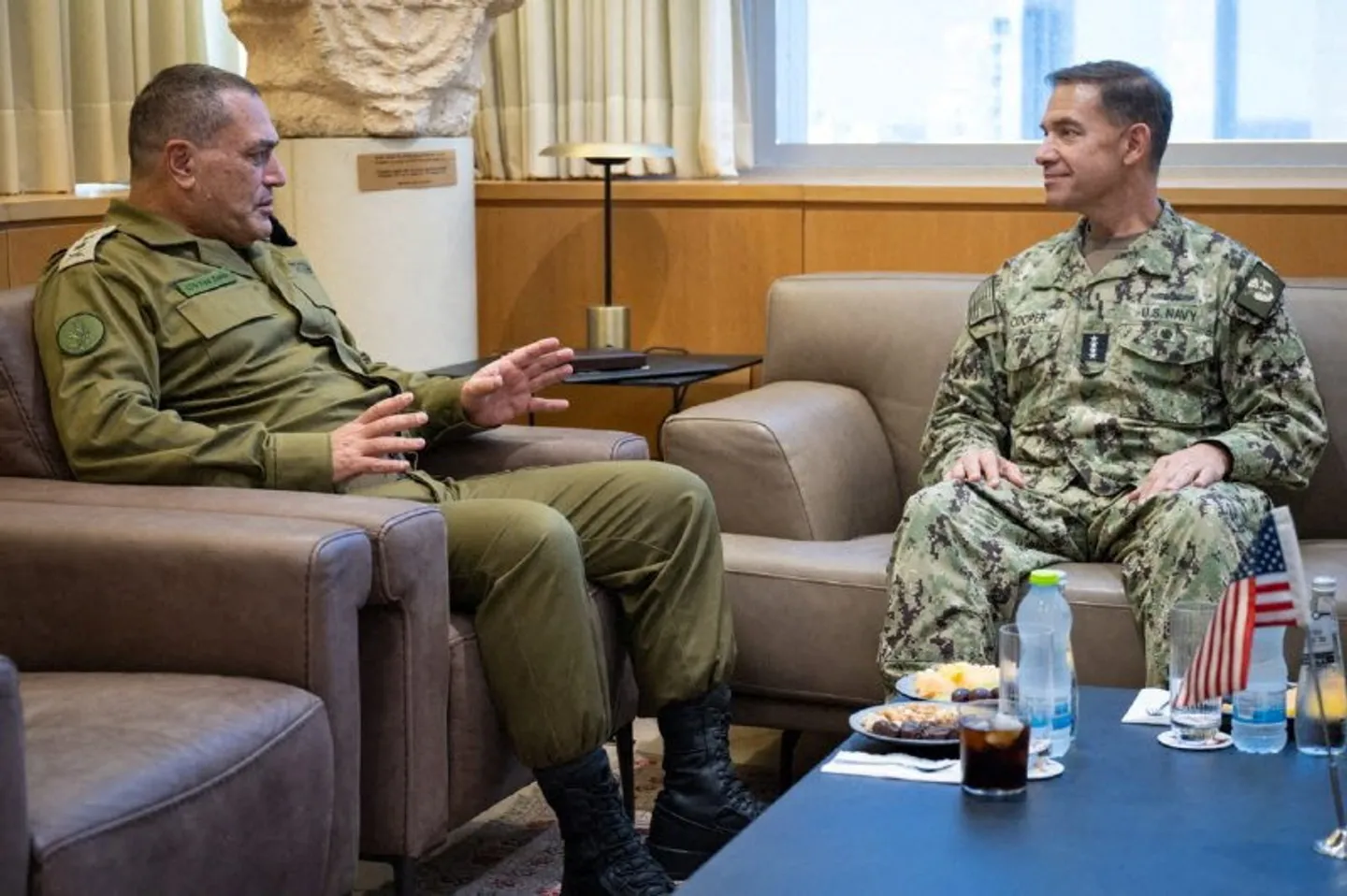

Tensions between the United States and Israel appear to be growing as Washington pushes for an end to fighting across three regional fronts. The latest dispute centers on Gaza, Iran and Lebanon, where the US wants Israel to reduce military operations. However, Israeli officials reportedly remain determined to maintain freedom of action against perceived threats.
The differences highlight growing challenges between the two allies. Washington is seeking broader de-escalation, while Israel continues to emphasize its security concerns.
Washington Pushes Israel to Close Three Fronts
US Central Command chief Adm. Brad Cooper reportedly delivered Washington’s message during a visit to Israel on Saturday.
According to political sources, Cooper urged Israeli officials to make progress toward “closing the three fronts.”
The request reflects a wider US effort to reduce regional tensions. However, Israel appears reluctant to accept limits that could affect its military operations.
Israeli military officials reportedly told their US counterparts that Israel wants to retain the ability to strike Iran.
That position could apply if Tehran continues advancing its nuclear programme. It could also apply if Iran rebuilds its ballistic missile capabilities.
The disagreement shows the difficulty of aligning US diplomatic goals with Israel’s security priorities.
US Seeks Further Israeli Withdrawal From Lebanon
Lebanon has also become part of Washington’s efforts to reduce regional fighting.
The US is reportedly pushing Israel to withdraw further from positions inside the security zone in southern Lebanon. Such a move could reduce tensions along the border.
However, Israel’s military presence remains a major issue in discussions surrounding the conflict.
Washington’s broader approach suggests that it wants military activity across the region to decline. At the same time, Israeli officials continue to stress the need to respond to potential threats.
Gaza Remains a Major Point of Disagreement
The situation in Gaza represents another major source of tension between Washington and Israel.
The US is reportedly pressing for progress toward a broader arrangement in the territory. It is also supporting the deployment of a multinational force.
The force currently includes hundreds of troops from Morocco and Uganda, according to the reports.
Israeli security officials have reportedly expressed concerns over US demands involving military operations in Gaza. Those concerns reportedly include calls to halt targeted killings and reduce attacks.
However, those demands do not explicitly appear in the proposals currently under discussion.
The disagreement nevertheless points to different approaches toward ending the conflict. Washington appears focused on reducing military activity, while Israeli officials continue to emphasize operational freedom.
Trump Signals a More Cautious Approach Toward Iran
The latest tensions emerged as US President Donald Trump indicated that Washington is taking a more restrained position toward Iran.
“We are low keying it,” Trump told the news site, adding the US is “only semi-negotiating” with Iran while closely watching pressure on its economy.
“We are just watching Iran with its huge inflation and the fact they have no money,” he said.
Trump’s comments suggest that Washington currently prefers economic pressure over an immediate return to major military operations. Recent reporting also indicates that the administration is pursuing negotiations while keeping other options available.
The approach represents a notable shift from earlier threats of renewed military action. It also comes as Washington seeks to manage several interconnected regional conflicts.
US and Israel Face Wider Regional Challenges
The current tensions follow months of escalating conflict involving Israel, the US and Iran.
On February 28, Israel and the US launched coordinated attacks against targets in Iran. The strikes reportedly focused on military, nuclear and energy infrastructure.
Iran responded with missile and drone attacks against Israeli and US-linked targets across the region.
The escalation subsequently created pressure for diplomatic efforts. On June 18, Iran and the US reportedly reached a memorandum of understanding through mediation involving Pakistan and Qatar.
The agreement ended active hostilities and opened negotiations toward a broader settlement.
However, those negotiations later stalled over disagreements involving maritime security. Freedom of navigation through the Strait of Hormuz also became a major issue.
Difficult Road Ahead for Washington and Jerusalem
The latest developments suggest that Washington and Israel may face increasingly difficult discussions over regional military strategy.
The US appears determined to reduce fighting and move toward diplomatic solutions across Gaza, Iran and Lebanon. Israel, meanwhile, continues to insist that it must retain the ability to respond to security threats.
That difference could complicate efforts to achieve a broader regional settlement. It may also test the strength of the relationship between the two allies.
For now, Washington’s push for restraint is unfolding alongside continued Israeli security concerns. The outcome of those competing priorities could shape the next phase of conflicts across the region.
If the US succeeds in moving the three fronts toward de-escalation, regional tensions could ease significantly. However, Israel’s insistence on maintaining military freedom could make that goal considerably harder to achieve.

