
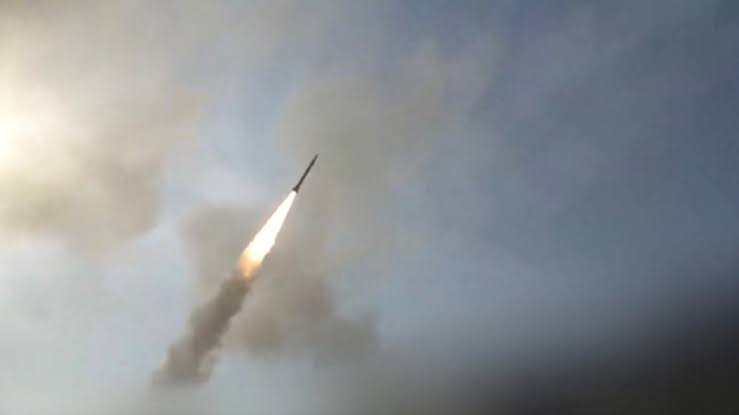

The United States has reportedly used nearly all of its long-range precision missiles during the five-month conflict with Iran, according to sources familiar with military data. The reported decline has raised concerns about America’s readiness for future conflicts.
Sources said the US has exhausted “virtually all” of its Army Tactical Missile Systems (ATACMS) and Precision Strike Missiles (PrSM). These surface-to-surface weapons enable highly accurate strikes from long distances while reducing risks to deployed forces.
The sources declined to reveal the remaining number of missiles. However, they warned that falling stockpiles could weaken the US military’s ability to deter future threats.
Readiness Concerns Grow
Military analysts consider long-range precision missiles essential for modern warfare. The US has also supplied ATACMS to Ukraine, allowing strikes against targets inside Russia.
Meanwhile, the newer PrSM offers greater range and is expected to replace the older ATACMS. Analysts also believe both missile systems would play a significant role in any future conflict involving China.
According to three people familiar with the matter, shrinking supplies have increased concerns about long-term military preparedness. However, they spoke on condition of anonymity.
White House Defends Military Capability
A fourth source said US Central Command had nearly exhausted its pre-war land-based missile inventory. Nevertheless, officials replenished supplies by transferring weapons from other military stockpiles worldwide.
US President Donald Trump dismissed concerns about the country’s missile reserves. He said the United States still possesses more munitions than any other nation.
Trump also stated that American defence companies are producing munitions at record levels while expanding manufacturing facilities. However, analysts cautioned that current production may still fall short during a prolonged conflict.
The conflict began in February after Trump launched military operations alongside Israel. Initially, he predicted the campaign would end quickly. Instead, the war has continued for five months, increasing pressure on US military resources.

