
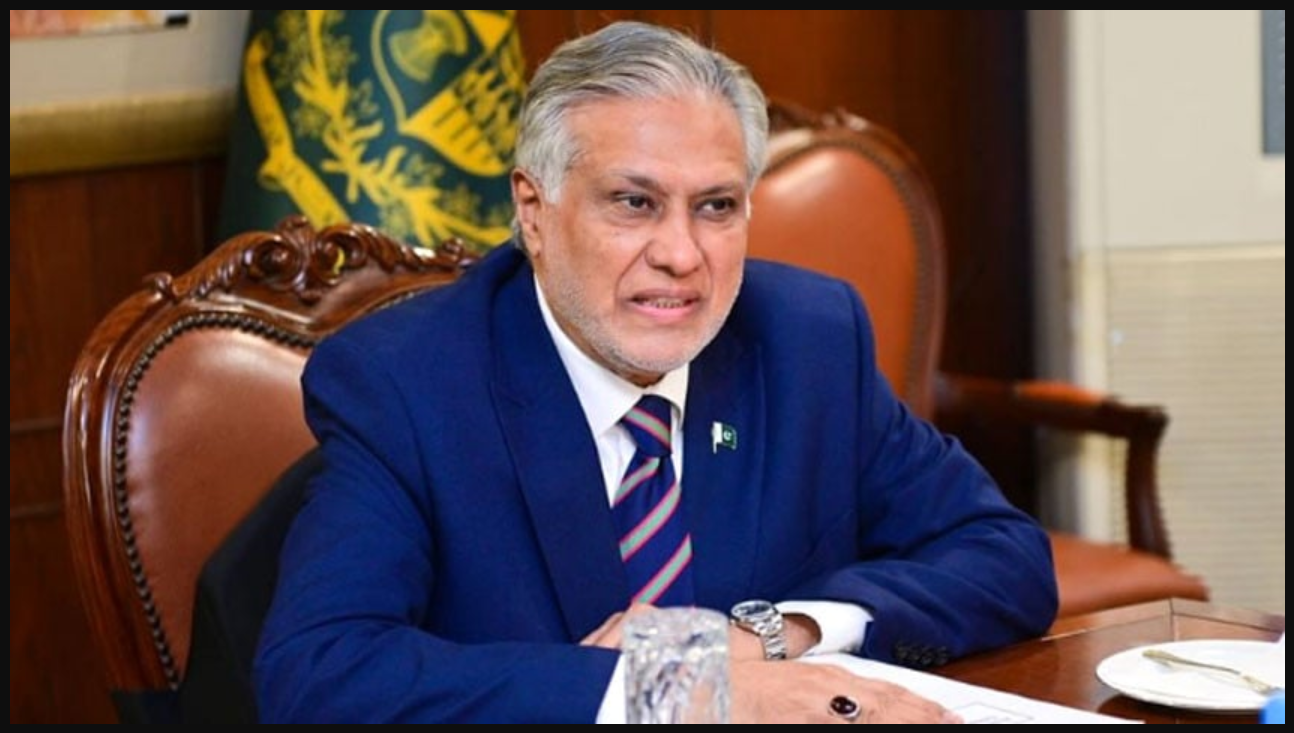

Pakistan has confirmed that indirect communication between the United States and Iran is currently underway. Messages are being relayed through diplomatic channels, with Pakistan playing an active intermediary role.
Deputy Prime Minister and Foreign Minister Ishaq Dar stated that speculation surrounding peace negotiations had created confusion. He clarified that discussions were not formal talks but indirect exchanges of messages.
According to officials, Iran is reviewing a 15-point framework shared by the United States. However, Tehran continues to deliberate before issuing a final response.
Pakistan emphasized that diplomacy remains the only viable path toward stability. Therefore, Islamabad continues engaging partners to reduce tensions across the Middle East.
Rising Conflict Creates Urgency for Diplomacy
The diplomatic effort comes during an ongoing regional conflict involving the United States, Israel, and Iran. The confrontation began on February 28 and has expanded security concerns throughout the Middle East.
As tensions escalated, regional actors intensified diplomatic outreach. Consequently, several countries joined efforts to prevent further military escalation.
Pakistan has worked alongside Turkiye and Egypt to maintain communication channels between Washington and Tehran. These backchannel contacts aim to create space for dialogue while hostilities continue.
Officials believe indirect communication reduces misunderstandings during high-risk situations. Moreover, it allows both sides to exchange proposals without immediate political pressure.
Pakistan’s Expanding Diplomatic Role
Islamabad has positioned itself as an active facilitator in de-escalation efforts. Leaders have engaged both regional and global stakeholders to promote calm and encourage negotiations.
Pakistan’s leadership has maintained direct communication with international counterparts. These contacts focus on ceasefire possibilities and long-term conflict resolution.
The government also expressed readiness to host potential negotiations if both parties agree. This offer reflects Pakistan’s broader strategy of supporting diplomatic solutions instead of confrontation.
Furthermore, military and political leadership have coordinated outreach efforts to ensure consistent messaging. Officials stress that regional stability remains a shared international responsibility.
US Proposal and Iran’s Response
Diplomatic sources indicate that Pakistan conveyed a proposal from Washington to Tehran. Details of the framework remain undisclosed, though discussions reportedly include multiple political and security considerations.
Iran has signaled caution toward negotiations. Officials insist that any resolution must address key concerns related to security guarantees and regional stability.
Tehran outlined several conditions for ending the conflict. These include halting military actions, preventing renewed hostilities, addressing damages, resolving broader regional tensions, and recognizing strategic maritime interests.
Meanwhile, differing public statements from both sides highlight ongoing disagreements. Despite this, indirect communication continues, suggesting diplomacy remains possible.
Regional Consultations Intensify
Pakistan has expanded consultations with several countries to build consensus for de-escalation. Diplomatic contacts include partners across the Middle East and Asia.
Officials confirmed ongoing exchanges with regional leadership to share assessments and explore solutions. These discussions aim to align international efforts toward reducing violence.
Additionally, senior Pakistani officials remain in continuous contact with foreign counterparts. The objective is clear: encourage restraint and support peaceful dialogue.
Dialogue Seen as Only Sustainable Path
Pakistani leadership continues to stress that diplomacy offers the only lasting solution. Officials argue that military escalation risks widening instability beyond the immediate conflict zone.
Indirect talks, although limited, represent an important step toward rebuilding communication. Even small diplomatic openings can reduce miscalculation during crises.
As negotiations remain uncertain, Pakistan’s role as a facilitator highlights its growing diplomatic engagement. The coming weeks will determine whether message-based diplomacy evolves into formal negotiations.
For now, Islamabad maintains its focus on mediation, stability, and peaceful resolution through sustained international cooperation.

