
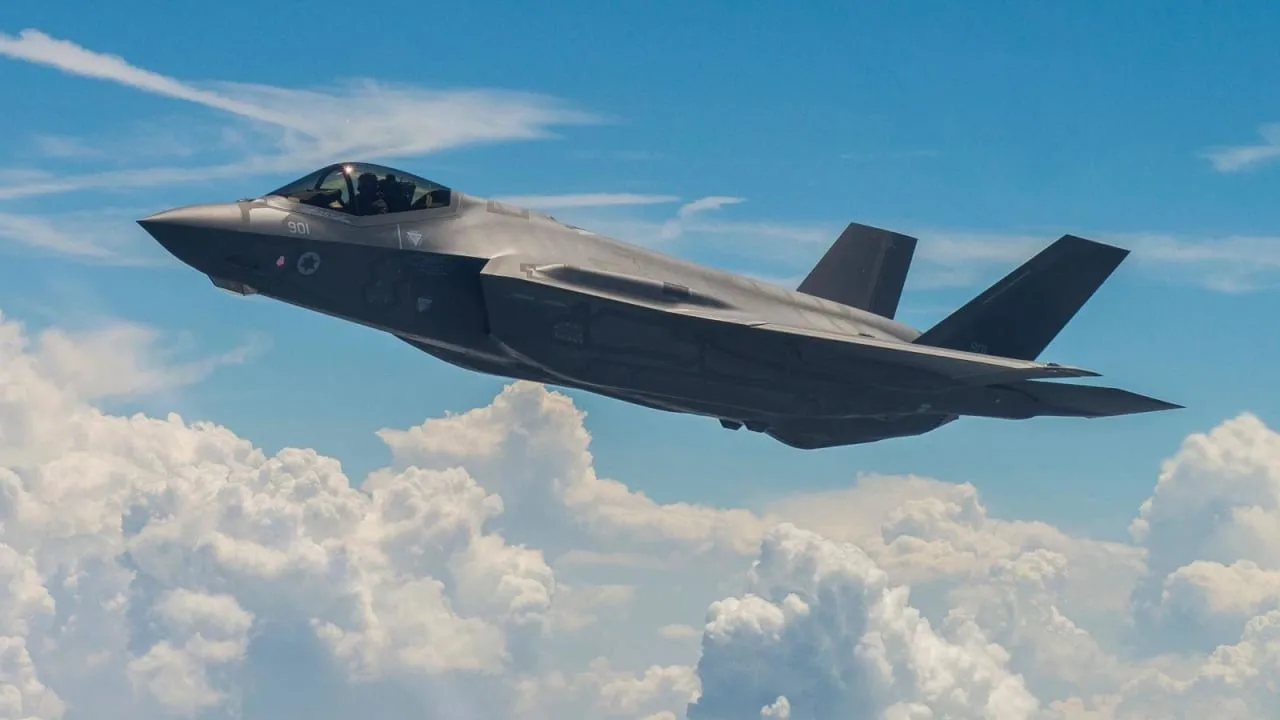

WASHINGTON: US intelligence officials have raised concerns that China could potentially gain access to sensitive F-35 fighter jet technology if Washington completes a proposed sale of 48 aircraft to Saudi Arabia, The New York Times reported.
The multibillion-dollar deal has remained under consideration since November 2025. According to officials cited by the newspaper, concerns centre on the possibility that Beijing could obtain sensitive technology through espionage or contacts arising from China’s military and security relationship with Riyadh.
A Pentagon intelligence assessment reportedly recommended restricting access to sites storing F-35 technology exclusively to authorised American and Saudi personnel.
Pentagon Reportedly Seeks Restrictions on Chinese Access
Analysts also questioned whether Saudi Arabia would accept broader restrictions on interactions with China’s military and associated entities.
Moreover, the assessment reportedly considered whether Riyadh could remove Chinese-manufactured equipment from telecommunications networks and router infrastructure to reduce potential security risks.
The State Department, Pentagon and Saudi Embassy in Washington declined to comment to the newspaper, while the White House and Chinese Embassy reportedly did not respond.
Deal Also Raises Questions Over Israel’s Military Edge
Meanwhile, the proposed sale has renewed discussion in Washington about Israel’s qualitative military edge in the Middle East.
Israel currently operates F-35 aircraft and has used them during military operations in the region.
US policy and legislation have long required Washington to consider Israel’s ability to counter credible conventional military threats when approving major arms transfers in the Middle East.
Consequently, any Saudi F-35 agreement would likely involve extensive discussions over technology protection, regional military balances and security conditions.
However, the reported intelligence concerns do not establish that China has obtained F-35 technology through Saudi Arabia. Rather, they describe potential risks US officials are assessing as Washington considers whether and under what conditions to proceed with the proposed sale.

